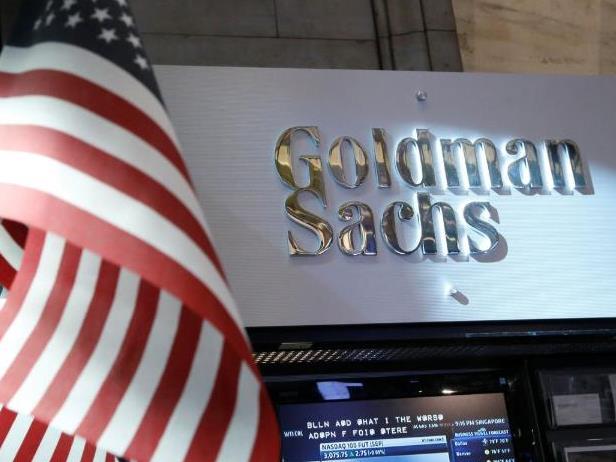
Goldman Sachs is marketing a 'Total Return Swap' to hedge funds to enable short or long exposure to corporate loans, but Reuters reports no transactions have been executed to date. While the derivative would let investors profit from loan price moves (and FT previously flagged structures to benefit from declines in software-company loans), immediate market impact is limited until trades occur.
The availability of scalable synthetic exposure to leveraged loans materially lowers friction for directional positioning; that reduces the cost and time-to-trade for funds wanting to express negative views and therefore amplifies the speed at which loan-only price moves can occur. In a market where daily secondary ADV is O($1bn), a concentrated $250–500m wave of synthetic net selling can plausibly move cash loan marks 50–150bp within 1–3 weeks — the mechanism is not fundamental credit deterioration but temporary liquidity and dealer warehousing constraints.
Primary second-order effects will show up in CLO and warehouse desks: increased synthetic flow transfers mark-to-market and duration mismatches back to balance sheets or hedged desks, creating convex exposure to idiosyncratic defaults and funding-cost jumps. If dealers elect to hedge by buying cash loans, that could choke liquidity and create a short squeeze; if they warehouse risk, bank regulatory capital and funding volatility could become the dominant transmission channel over the next 1–6 months.
Regulatory and reputational risk is asymmetric and front-loaded — concentrated use of synthetic shorts on a narrow sector can provoke regulatory inquiries or prime-time headlines if losses cascade into retail-visible events; such interventions are the highest-probability reversal catalyst within 0–90 days. The clean contrarian read is that synthetic capacity both accelerates downside discovery and raises the probability of forced unwind/short-squeeze episodes, which creates trade opportunities with defined exits rather than pure directional exposure.
AI-powered research, real-time alerts, and portfolio analytics for institutional investors.
Overall Sentiment
neutral
Sentiment Score
0.00
Ticker Sentiment
