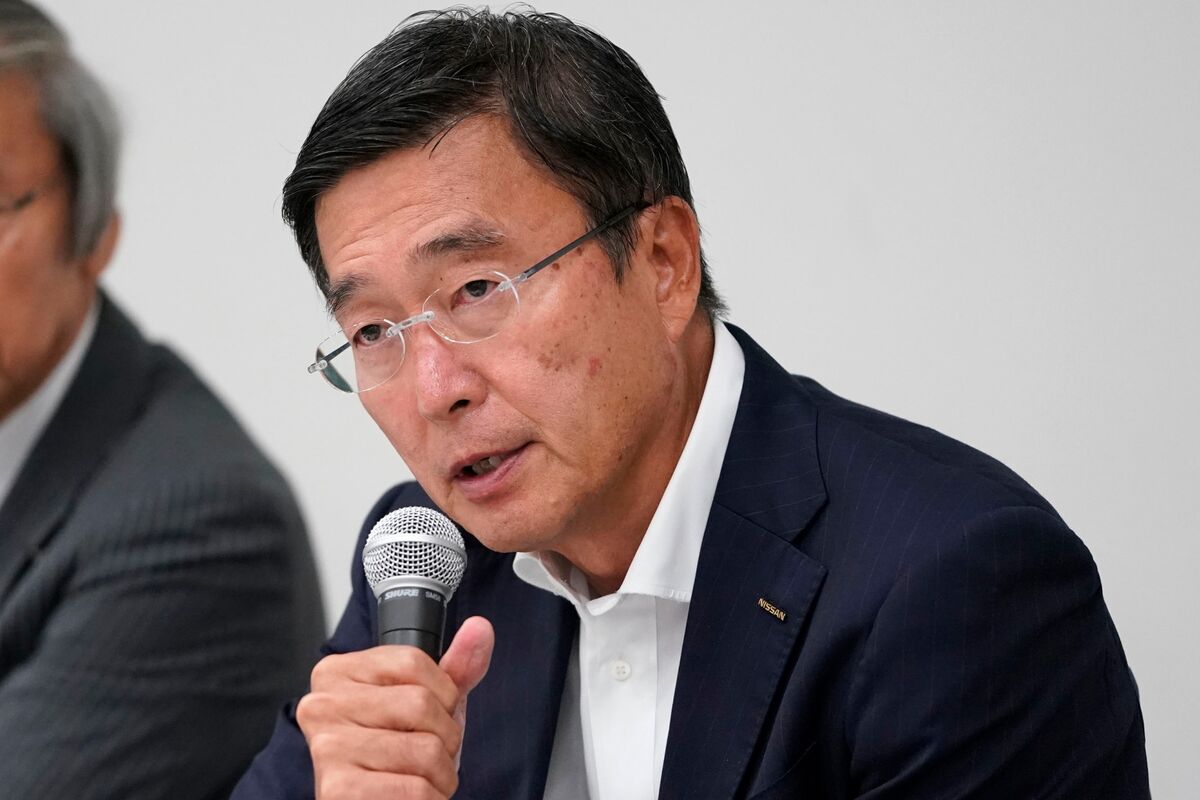
Nissan shareholders voted down the reappointment of influential outside director Motoo Nagai, ending his tenure after Renault SA withdrew support. The result underscores governance tensions at Nissan and a rare public standoff at a Japanese annual meeting, while 11 other directors were approved.
This is less about a single board seat and more about the erosion of a fragile governance coalition that had been acting as a check on strategic drift. The immediate winner is the CEO’s control over capital allocation: with a dissident-adjacent voice removed, execution risk on restructuring rises in the short run, but so does the probability of faster decisions on plant rationalization, supplier renegotiation, and alliance priorities. The market should not read this as a clean governance upgrade; in Japan, weakened outside oversight often translates into slower accountability rather than cleaner operating discipline.
The second-order effect is on Renault’s leverage over the alliance economics. If Renault is signaling it can no longer reliably anchor governance, expect more bilateral behavior across sourcing, platform sharing, and EV program allocation over the next 3-9 months. That raises the odds of duplicated spend and subscale product bets, which is structurally negative for margin recovery and positive for competitors with stronger balance sheets and clearer product cycles, especially Toyota and top-tier Chinese EV players competing on execution rather than governance.
The key catalyst is whether this becomes a one-off board event or the first step in a broader reset. If management follows with credible asset sales, headcount reduction, and a realistic FY guide, the stock can squeeze on reduced overhang. If not, the governance vacuum likely converts into a slow-burn value trap over 2-4 quarters as analysts haircut recovery assumptions and suppliers price in weaker counterparties. Tail risk is a sharper alliance fracture that forces duplicated R&D and procurement, which would hit free cash flow before any operational turnaround shows up.
Consensus is probably underestimating how binary the signaling effect is for activist investors: removing an influential outsider can deter near-term board friction, but it can also embolden passive oversight and make future intervention harder. That asymmetry matters because the market often prices Japanese governance events as immediate catalysts, when the real effect usually emerges through slower changes in capital allocation quality. The move may be overdone if investors were already discounting dysfunction, but underdone if they assume governance cleanup will improve simply because one contested director is gone.
AI-powered research, real-time alerts, and portfolio analytics for institutional investors.
Request DemoOverall Sentiment
mildly negative
Sentiment Score
-0.15
