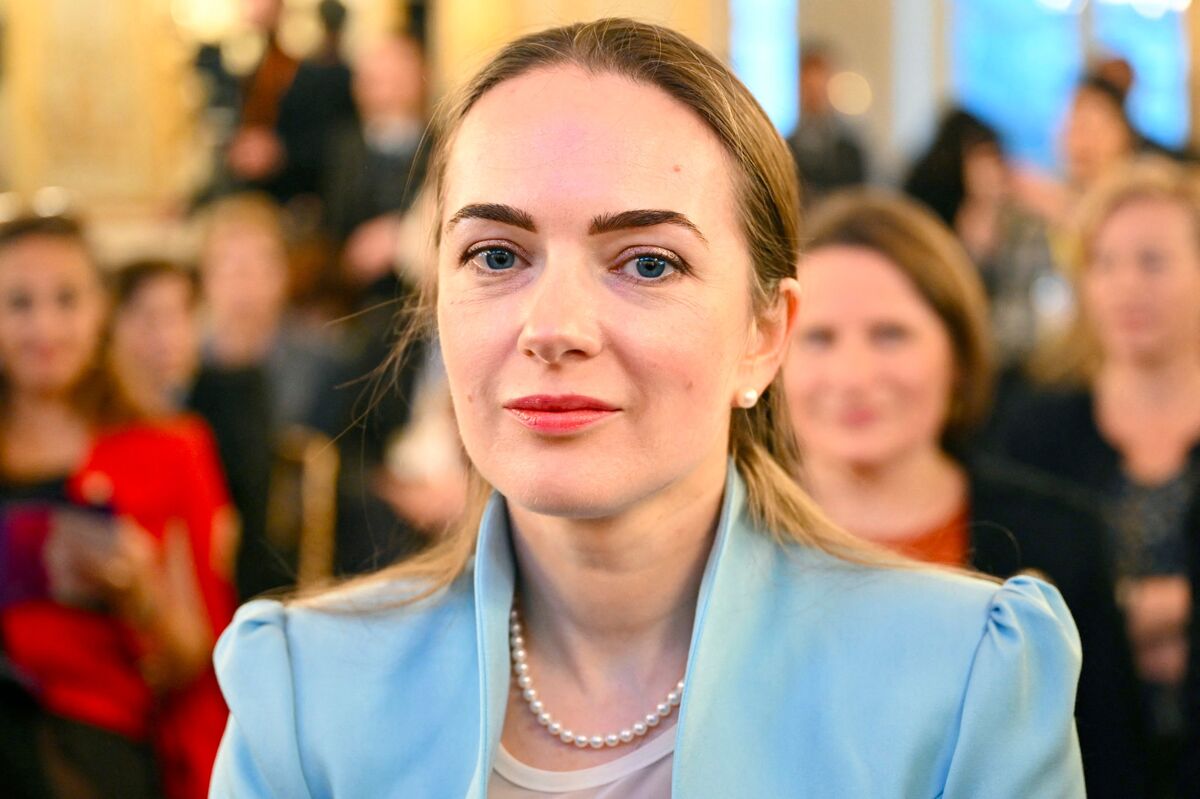
Nobel Prize-winning Ukrainian human rights lawyer Oleksandra Matviichuk visited Berlin to press Ukraine’s cause, delivering a keynote, speaking at a foreign policy forum and engaging with political parties. Her visit coincided with a turbulent week in which the US pushed Kyiv toward a ceasefire proposal seen as favorable to Russia before subsequent crisis diplomacy altered the plan, and President Zelenskiy’s chief negotiator Andriy Yermak became the subject of a corruption investigation. The developments heighten political and geopolitical uncertainty that could complicate negotiations and weigh on investor sentiment toward Ukrainian exposure and regional stability.
Market structure: Heightened Ukraine negotiation uncertainty and the Yermak probe favor defense/defense‑adjacent names (US prime contractors) and safe‑haven assets while pressuring Ukrainian sovereigns, EM FX and grain exporters reliant on Black Sea routes. Expect a 5–20% reallocation into US defense and gold in downside scenarios over the next 3–12 months as Western aid and commodity risk premium reprices. Cross‑asset: oil and wheat carry a conditional upside (10–30% spikes if export corridors close), while European gas may see volatile flows and FX weakness in CZK/PLN/UAH.
Risk assessment: Tail risks include a rapid reduction in Western aid if a Russia‑favorable ceasefire is accepted (low probability, high impact: Ukrainian bond wipeouts) and a sudden military escalation with sanctions spilling into energy (also low probability, high impact: commodity shocks). Immediate (days) risk = volatility spike and liquidity outflows in EM; short term (weeks/months) = sovereign credit repricing; long term (quarters+) = reconstruction trade and defense procurement cycles. Hidden dependencies: US congressional calendar, EU unified sanctions stance, and corruption probe outcomes materially shift funding flows within 30–90 days.
Trade implications: Direct tactical plays favor 3–12 month long positions in US defense primes (relative liquidity and guaranteed order backlog) and gold as convex hedges; use short‑dated protection on EM equity/bond exposure (puts or CDS) for 1–3 months. Pair trades: long US defense (LMT) vs short cyclical European exporters (Stoxx 600 industrials) to capture differential support; use options (6–9 month call spreads) to limit capital at risk. Rotate out of direct Ukraine sovereign exposure and overweight short‑duration Treasuries as a funding hedge while keeping 1–2% allocation in agricultural supply names for commodity upside.
Contrarian angles: Consensus will overweight defense and gold — underappreciated is the multi‑year reconstruction cycle: selective industrials (steel Nucor, construction materials) could outperform after an initial risk‑off period; this is a 12–36 month play. Market may overprice immediate permanent aid cuts; if US/EU pass fresh packages within 60–90 days, expect a mean reversion rally in EM and Ukrainian assets (potential 20–40% bounce). Unintended consequence: corruption probes that delay aid can create buy‑on‑dip opportunities in high‑quality contractors and select agrichemicals once political clarity returns.
AI-powered research, real-time alerts, and portfolio analytics for institutional investors.
Request DemoOverall Sentiment
neutral
Sentiment Score
-0.05
