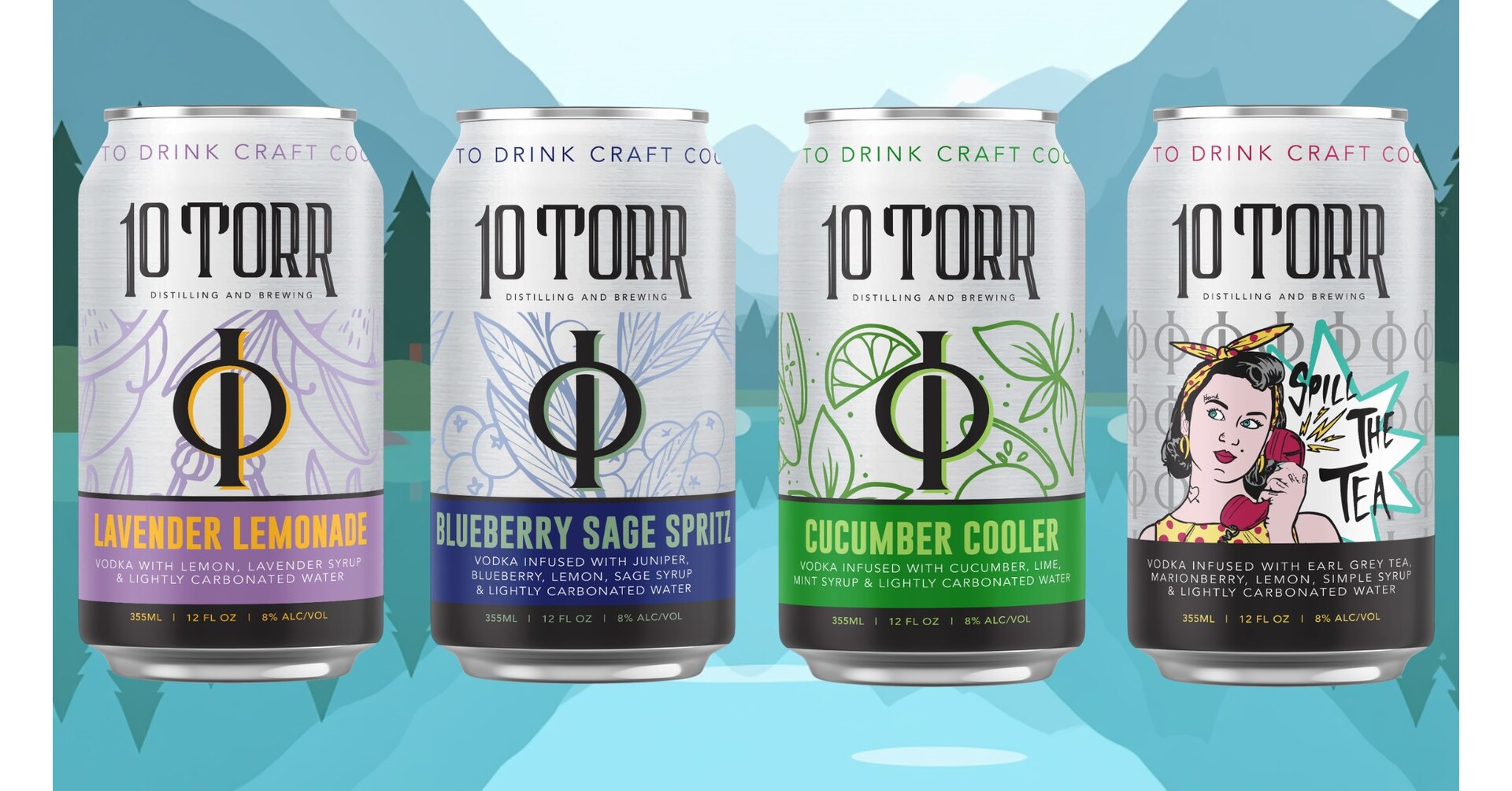
10 Torr (Reno distillery/brewer) is refreshing its brand identity and packaging while partnering with Homestead Brands to expand distribution and retail sales across the U.S. The company is positioned amid a mixed backdrop—Gallup shows U.S. adult alcohol drinkers at 54% (declining), and the Brewers Association reports more breweries closed than opened in 2025—but 10 Torr expects its premium, vacuum-distilled product proposition to resonate with consumers.
This is more a signal about channel economics than about one small brand. In a soft alcohol market, the scarce asset is distributor attention and shelf placement, so the real winners are scaled incumbents with portfolio leverage and route-to-market power; niche craft players tend to pay up for the same visibility while taking lower probability of repeat velocity. A packaging refresh can help at the margin in on-premise and RTD, but it rarely fixes underlying demand elasticity if the consumer is trading down or drinking less.
The key second-order effect is cost inflation for smaller brands trying to go national: more trade spend, more working capital tied in inventory, and more SG&A before sell-through is proven. If the expansion partner is effective, the upside is faster state-level penetration and better depletions; if not, the brand risks a common failure mode where shipment growth outpaces scanner sales and cash burn rises. That dynamic favors large spirits and beverage platforms with bargaining power over shelf space rather than pure craft operators.
Time horizon matters. Over the next 1-3 months, the market will only care if there is evidence of real distribution wins, not press-release branding. Over 6-18 months, watch whether the company can sustain velocity outside Nevada without discounting; that will determine whether this is a premium-growth story or just a costlier marketing exercise. The contrarian view is that the move may be over-interpreted as a growth inflection when it could simply be a defensive attempt to survive a tougher category backdrop.
There is no obvious public-market catalyst here large enough for a standalone trade today, but the read-through is mildly negative for small craft and RTD brands competing for shelf space, and mildly positive for scale distributors and incumbents that can absorb those brands into their networks.
AI-powered research, real-time alerts, and portfolio analytics for institutional investors.
Request TrialOverall Sentiment
mildly positive
Sentiment Score
0.15
