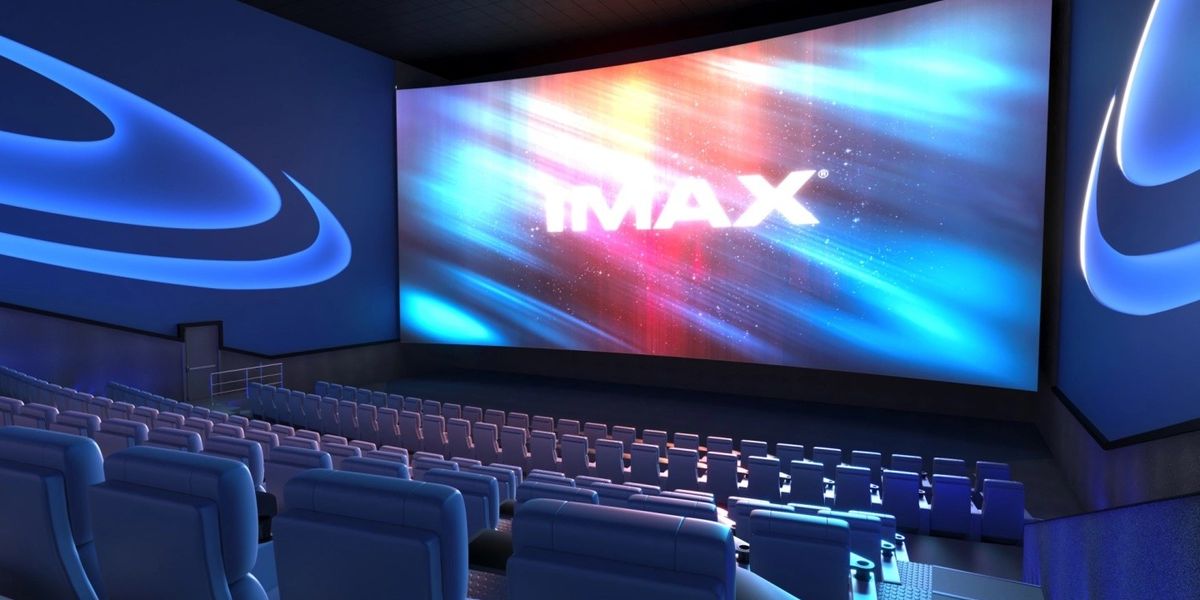
IMAX is reportedly exploring a sale, with its market capitalization cited at about $1.85 billion and shares surging on the news. The article highlights strong post-pandemic demand, with IMAX domestic box office share rising from 3.2% in 2019 to 5.2% and premium large-format screens reaching 16% of U.S. ticket sales. While a transaction is still early and may face antitrust hurdles, the potential deal underscores IMAX's strengthened strategic value.
The market is likely underestimating how much optionality sits in IMAX’s distribution choke point rather than in the underlying box office cycle. A control premium would not just re-rate the equity; it would reprice the scarcity value of premium theatrical windows, because any acquirer would inherit a quasi-utility asset with unusually strong negotiating leverage over studios and exhibitors. That makes the main beneficiaries less obvious than the headline suggests: licensors, premium-format peers, and exhibitors with alternative large-format real estate could gain share if IMAX becomes distracted, constrained, or strategically mismanaged during a prolonged sale process.
The biggest second-order risk is antitrust, which makes the process more valuable as a drawn-out catalyst than as a deal certainty. A strategic buyer from Hollywood is the highest-value outcome on paper, but also the least likely to clear, so the market may be extrapolating a takeout premium that never closes. That said, even a failed process could still support the shares for several months as bidders surface and management gains leverage in content and licensing negotiations. The real downside is not a broken deal; it is a prolonged process that freezes capex decisions and slows international screen expansion, which would compress long-duration growth assumptions.
Consensus appears to be treating this as a clean M&A story, but the more interesting angle is what a sale attempt signals about the durability of IMAX’s current earnings power. If management is monetizing now, it suggests the peak multiple may already be in the rear-view mirror, because the best asset often trades when forward growth is most visible and before competitive responses emerge. Over 12-24 months, any meaningful acceleration in premium-format adoption by rivals or studios shifting event films to competing premium venues would reduce IMAX’s scarcity premium faster than current sentiment implies.
AI-powered research, real-time alerts, and portfolio analytics for institutional investors.
Request DemoOverall Sentiment
mildly positive
Sentiment Score
0.35
Ticker Sentiment
