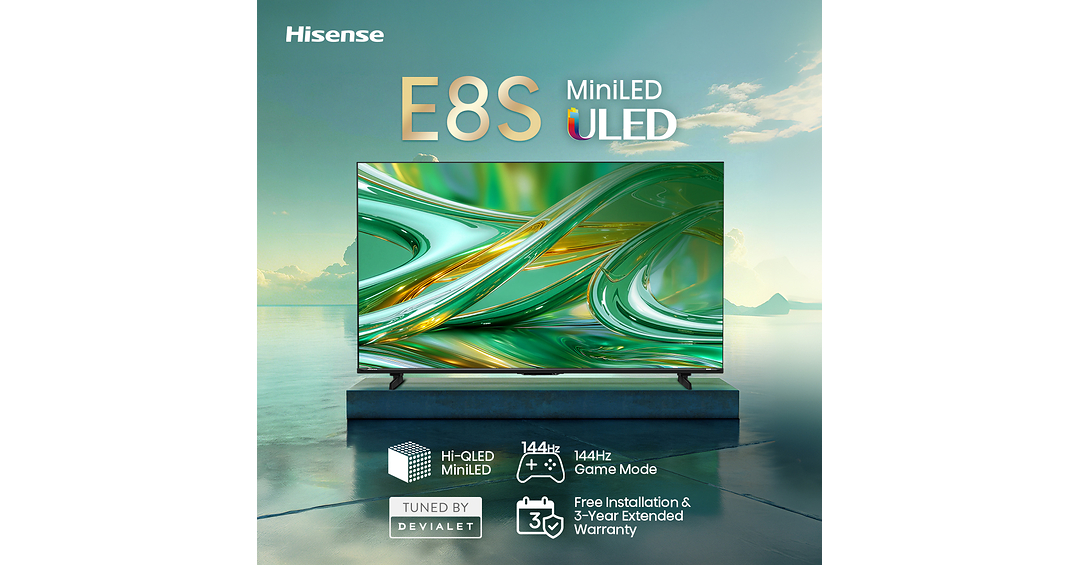
Hisense launched its 2026 E8S ULED MiniLED TV lineup on Amazon (55–85 inch) with exclusive launch deals, positioning the models as premium “AI processing” upgrades versus prior generations. The TVs feature a native 144Hz panel with AMD FreeSync Premium certification and Auto Low Latency Mode for gaming, plus a multi-format HDR package (HDR10+, HDR10+ Adaptive, Dolby Vision IQ, HLG) and a Dolby Atmos audio setup (dual 10W speakers + 20W subwoofer via Devialet tuning). This is a product/retail rollout rather than a financial catalyst, so expected impact is limited to consumer-electronics demand and brand perception.
This looks like a channel-optimization story more than a true earnings catalyst: the economic value pools are likely to accrue to the distributor and marketplace operator, while the brand owner absorbs most of the pricing pressure. Amazon should get the cleanest near-term benefit if the launch is meaningfully exclusive, because premium TV shoppers are high-intent traffic that can spill into accessories, soundbars, and other higher-margin baskets; the lift is likely small in absolute dollars but positive for conversion and ad take-rate over the next 2-6 weeks.
For Hisense, the strategic read is mixed. Launch discounts imply share capture is being bought rather than organically earned, which can widen unit share but compress gross margin and make the SKU vulnerable once the promotion ends. That matters more over 1-3 months than on day one, and the key falsifier is whether sell-through holds after initial promotion or falls back to the usual value-tier cadence.
The broader implication is that premium display features are rapidly commoditizing, so this is negative for incumbents only if they were already exposed to the same price band and have weaker retail execution. Apple and Google are mostly ecosystem bystanders here; compatibility features support stickiness at the margin, but this does not move the needle unless smart-home integration meaningfully increases living-room time and content monetization over 6-18 months. AMD gets a small halo from gaming-spec marketing, but that is too indirect to underwrite a standalone position without evidence of higher attach to PC/console ecosystems.
AI-powered research, real-time alerts, and portfolio analytics for institutional investors.
Request DemoOverall Sentiment
mildly positive
Sentiment Score
0.15
Ticker Sentiment
