






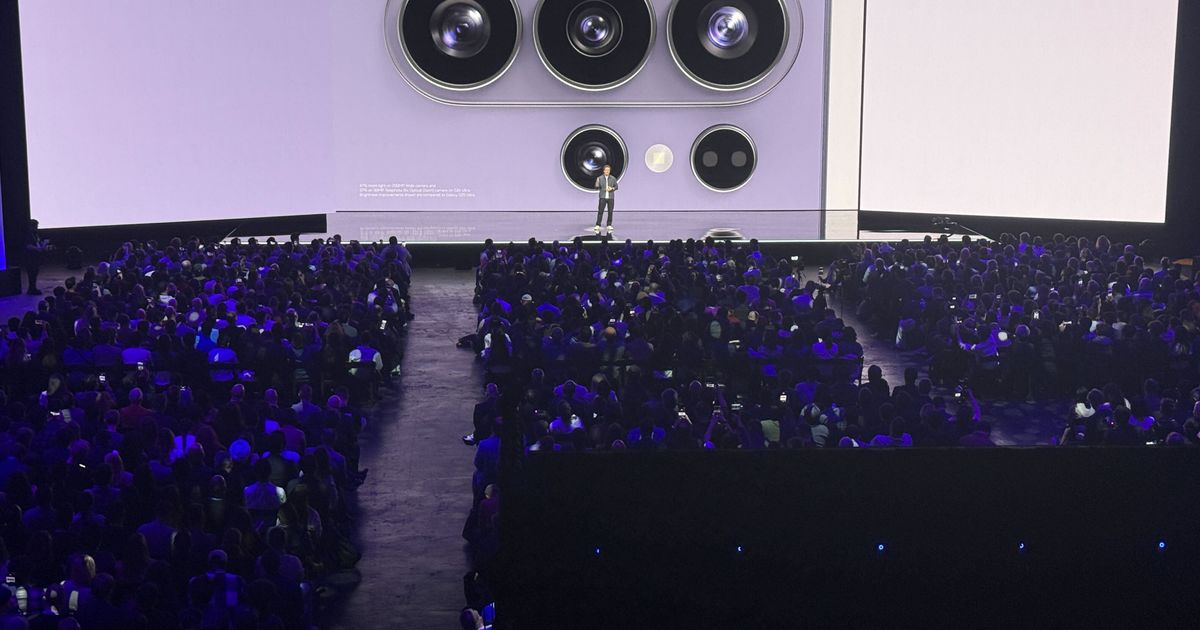
The author argues that agentic AI integrated at the OS level—exemplified by Samsung's Galaxy S26—could shift the unit of interaction from apps to intent-driven agents, enabling direct, automated transactions that bypass traditional apps and SaaS layers. That technical shift threatens the app economy's intermediary role and the platform revenue model (notably Apple/Google commissions), while potentially reallocating control and value toward hardware makers who control sensors, identity and real-time data; the piece is speculative about timing and economic outcomes but signals a meaningful structural risk to incumbents.
Market Structure: Agentic OS agents shift economic rent toward whoever controls sensors, identity and on-device compute (hardware OEMs and chip vendors) and away from app intermediaries (delivery/marketplace, travel, streaming). Expect a multi-year reallocation: winner pool includes edge-AI chipmakers and OEMs with integrated payments; losers include high-fee marketplaces (DoorDash, Uber Eats, parts of Expedia/online travel) where margins depend on mediation. Near-term (next 12–24 months) share shifts will be modest as ecosystems adapt, but upside capture for hardware/edge suppliers could be +10–30% incremental TAM over 3 years if on-device agents mainstream.
Risk Assessment: Tail risks include expedited regulation (antitrust forcing new distribution models), large-scale privacy/biometric breaches undermining OS-level auth, or a coordinated platform response (Apple/Google reprice agent commissions) that preserves app-store economics. Immediate risk (days) is low; medium-term (3–12 months) volatility around WWDC/Google I/O and Samsung rollouts; long-term (1–3 years) is structural revenue reallocation. Hidden dependencies: merchant adoption of robot-to-robot APIs, payment rails agreements, and consumer trust—if any fail, agent rollout stalls.
Trade Implications: Tactical trades favor long edge/identity enablers and short app-intermediaries. Use concentrated, size-limited positions with option hedges: e.g., 12–24 month call exposure on Qualcomm/NVIDIA for edge AI, paired with protective puts on DoorDash/Uber and Expedia. Bond/credit: widen credit focus on gig-economy issuers if market prices material revenue declines—buy protection selectively if spreads >100bps wider than IG tech peers.
Contrarian Angles: Consensus underestimates friction—merchant API adoption, legacy POS systems and regulation will slow displacement, so shorting large-cap platforms outright is risky. Reaction may be underdone for semiconductor names powering edge AI; if Samsung/Apple accelerate on-device models, semis could rerate quickly. Unintended consequence: Apple/Google could monetize agent layer more aggressively, making AAPL/GOOGL defensive rather than vulnerable.
AI-powered research, real-time alerts, and portfolio analytics for institutional investors.
Request TrialOverall Sentiment
mixed
Sentiment Score
0.00
Ticker Sentiment
