
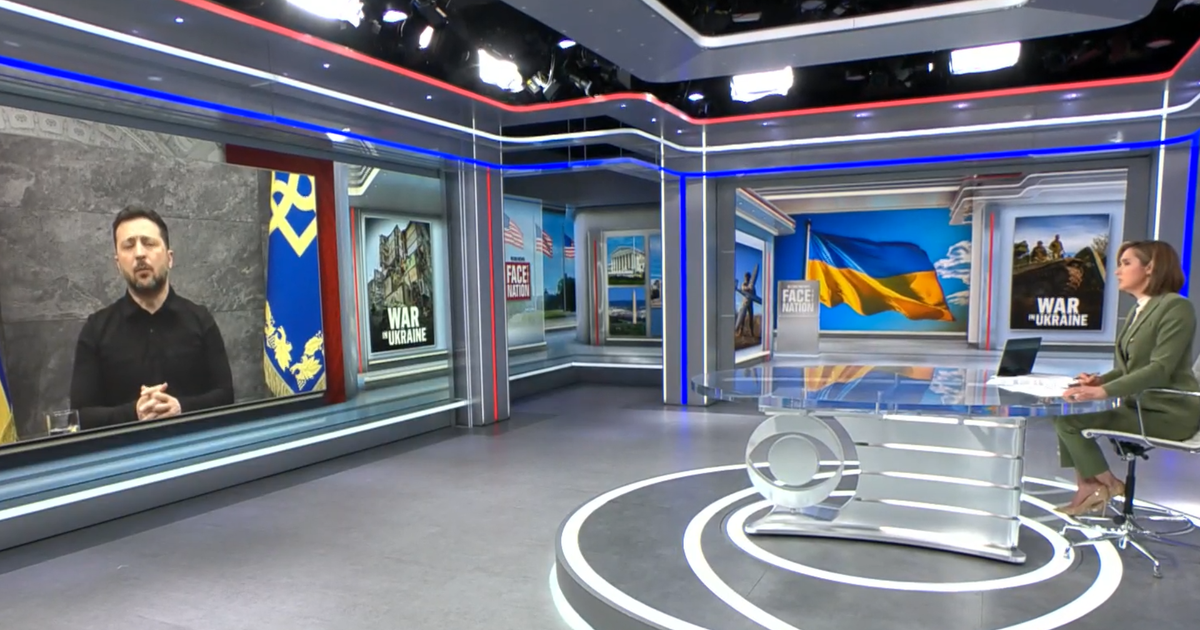
Zelenskyy said Ukraine needs "more pressure," including additional sanctions, to bring Putin to negotiations, while warning Russia is inflicting heavy losses of up to 35,000 soldiers per month. He also requested more Patriot missile interceptors and broader U.S./European support, calling for a multi-party peace format and indicating a possible U.S. drone deal. The article is geopolitically significant and defense-relevant, but it contains no direct market data or company-specific catalyst.
The market implication is less about an immediate ceasefire premium and more about the durability of the current defense-demand regime. If Kyiv can sustain battlefield initiative into the fall, the political center of gravity shifts toward higher Western replenishment orders, which is constructive for missile defense, drone systems, EW, and munitions names with constrained production capacity. The key second-order effect is that urgency converts from discretionary aid to inventory-restoration spending, which tends to support orders for 2-4 quarters even if headline diplomacy stalls.
The bigger near-term risk is a policy bottleneck, not a battlefield one. The limiting factor is supply cadence: interceptors, propulsion, guidance components, and energetics all have long lead times, so any rhetoric about ramping production matters only if it translates into funded multi-year contracts. That creates a favorable setup for primes and select subcontractors with booked capacity, but a less clean setup for pure-play Ukraine-exposed names that depend on unstable appropriations or ad hoc European procurement.
On sanctions, the underappreciated angle is that tougher enforcement often hits logistics, shipping, insurers, and gray-market intermediaries before it meaningfully changes Russian state revenues. That means the tradable effect can show up first in tanker utilization, sanctions-compliance vendors, satellite/ISR demand, and cyber-defense spending, while energy prices may remain range-bound unless enforcement is paired with material export disruptions. The contrarian view is that markets may be overestimating how quickly diplomatic pressure can change outcomes; the more likely path is a prolonged stalemate that extends defense spending without triggering a broad risk-off event.
AI-powered research, real-time alerts, and portfolio analytics for institutional investors.
Request TrialOverall Sentiment
neutral
Sentiment Score
-0.05
Ticker Sentiment
