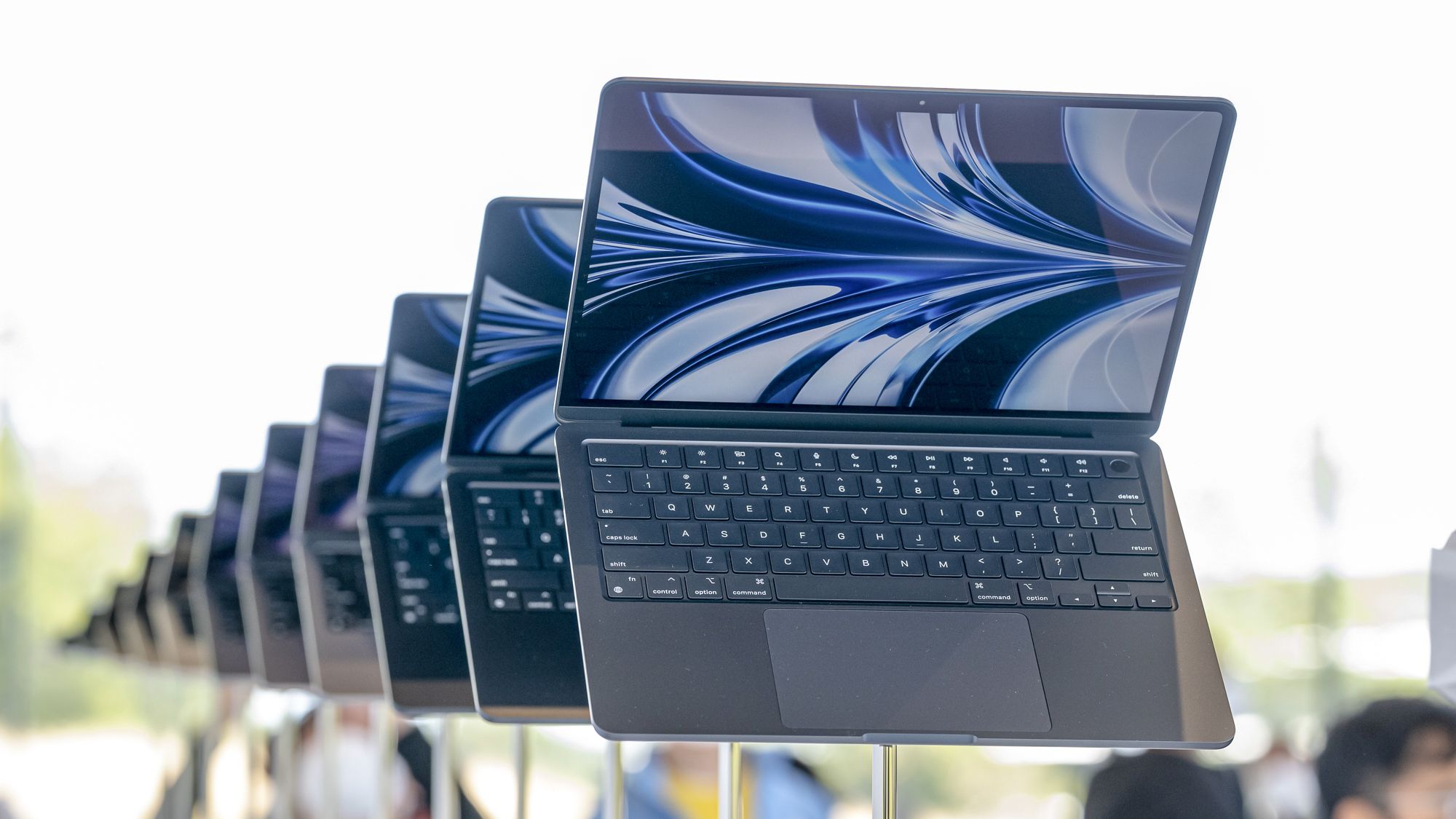
Apple is widely expected to unveil a lower-cost MacBook at its March 4 event, likely starting at $599–$699 for an 8GB/256GB model, featuring a smaller LCD display and — to cut costs — an A18 Pro iPhone chipset instead of an M-series processor. The product is positioned to target students and budget Windows/Chromebook users, potentially expanding Apple’s addressable market and boosting device share, though the use of a phone SoC represents a trade-off that could limit performance perceptions among buyers.
Market structure: A sub-$700 MacBook would shift entry-level demand from Chromebooks/low-end Windows PCs toward Apple, directly benefiting AAPL (hardware sales + services TAM expansion) and accessory/education channels while pressuring low-margin OEMs and Chromebook makers (Google-partner ecosystem). Expect pricing power improvement in Apple services (IAP, iCloud) from incremental users; however ASP for Mac segment will fall—model conservatively: every 1M incremental low-end Macs at $650 = ~$650M revenue with outsized services upside over time.
Risk assessment: Near-term catalyst risk centers on the March 4 event (days), with immediate volatility and sentiment swings; short-term (weeks–months) risks include supply constraints, poor thermal/perf reviews for A18 Pro in laptops, and modest cannibalization of MacBook Air compressing gross margin; long-term (quarters) regulatory/antitrust scrutiny on ecosystem lock-in is a tail risk that could force feature or bundling changes. Hidden dependencies: developer optimization for A-series on macOS, education-channel pricing, and component sourcing (LCD panel supply) will determine unit economics.
Trade implications: Favor tactical AAPL exposure into the event and short-duration options to limit downside: use defined-risk strategies to capture event-driven upside while capping losses. Consider small, tactical short exposure to Alphabet (GOOGL/GOOG) or Chromebook-focused OEMs to express relative weakness, but keep sizes muted given Alphabet’s ad-revenue diversification.
Contrarian angles: Consensus may overestimate margin damage and cannibalization—Apple historically preserves premium tiers (iPhone SE precedent) and monetizes installed base via services; services ARPU lift per converted user (even $20–30/year) materially increases LT revenue. Market might underprice the multi-year services LTV from low-cost entrants; conversely, poor product reviews or supply issues would be a rapid negative re-rating.
AI-powered research, real-time alerts, and portfolio analytics for institutional investors.
Request DemoOverall Sentiment
mildly positive
Sentiment Score
0.35
Ticker Sentiment
