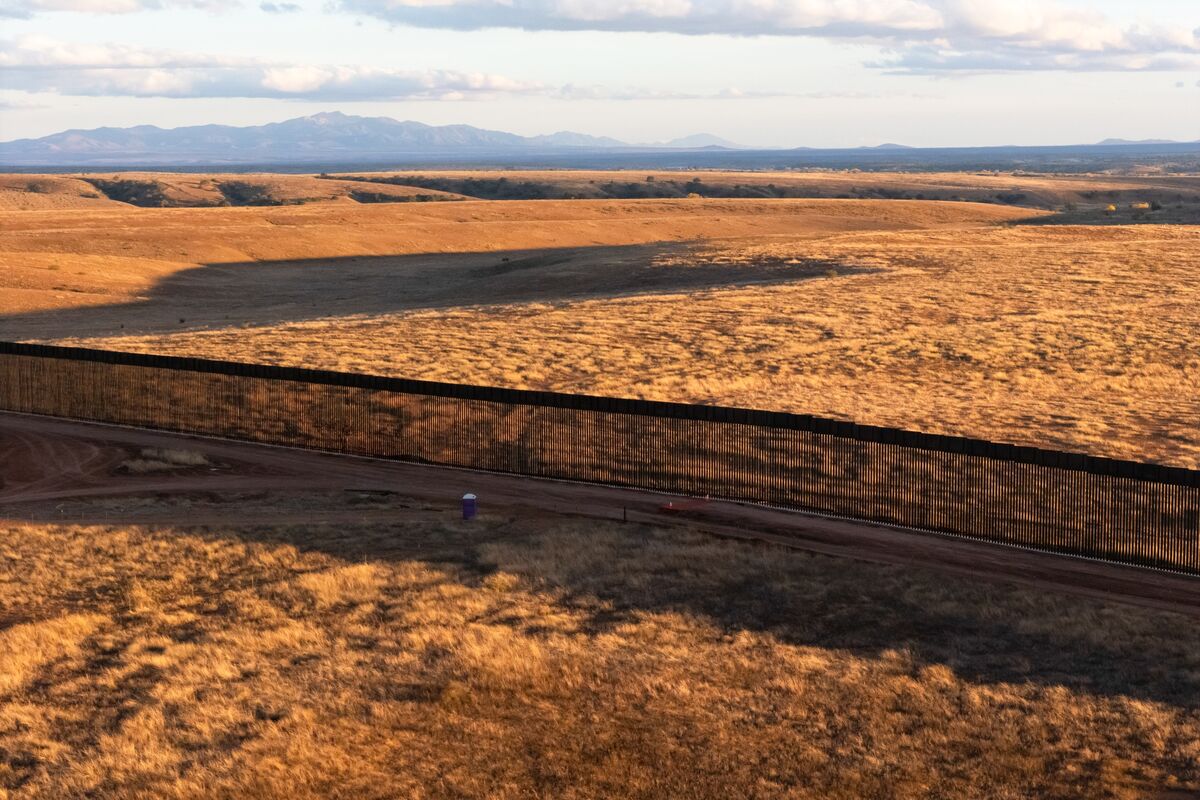
The Trump administration will charge a $5,000 “apprehension fee” to people aged 14 and older who are arrested and determined to have entered the U.S. without authorization, Border Patrol Chief Michael Banks said on X. The fee was authorized by Congress as part of President Trump’s One Big Beautiful Bill Act, which included billions for immigration enforcement; the policy is intended as an enforcement and deterrence measure. The announcement is material politically and for immigration enforcement agencies but is unlikely to have direct or meaningful market impact.
Market-structure: Direct winners are firms that operate detention facilities and supply border-security tech and construction (tickers: GEO, CXW, PLTR, LDOS); losers are local retail, agricultural employers reliant on undocumented labor and remittance flows to Mexico (pressure on MXN). Pricing power shifts toward contractors bidding for short-term DHS/CBP work; magnitude: expect contract-driven revenue bumps of +5–15% for incumbents within 3–12 months if awards materialize. Supply/demand: policy raises effective cost of irregular entry, likely lowering arrivals modestly (single-digit % over quarters), tightening low-skilled labor supply regionally and pushing localized wage inflation 1–3% in 6–12 months.
Risk assessment: Tail risks include injunctions or Third-Party funding cuts that could reverse contractor revenue (high-impact, low-probability), protests/disruptions that hit border logistics, or diplomatic retaliation affecting cross-border trade. Time horizons: immediate (days) — negligible market move; short-term (30–90 days) — contract awards and legal filings will move sector names; long-term (6–18 months) — structural labor-cost effects and political election outcomes dominate. Hidden dependencies: revenue depends on appropriations and DHS contracting cycles (<$500M–$2bn range) and on enforcement intensity, not the fee itself; catalysts include DHS RFPs, lawsuits, and Congressional funding decisions.
Trade implications: Tactical trades — establish 2–3% long positions in GEO and CXW (12-month target +30%, stop -15%); add 1–2% long in PLTR or LDOS for tech/contract exposure (12-month target +20%). Pair trade: long GEO (2%) / short XRT (0.75%) to express contractor upside vs border-town retail weakness. Options: buy 9–12 month GEO or CXW call spreads 25–30% OTM for defined-risk upside; hedge with 3–6 month puts if contracts aren’t awarded within 90 days. Rotate +1–3% into defense/security contractors and construction suppliers, reduce exposure to regional retail/hospitality names concentrated in border states by 1–2%.
Contrarian angles: Consensus may overstate sustained uplift to private-prison revenues — legal/contract caps or enforcement pullbacks could flip winners to losers, so upside may be front-loaded and mean-revert within 6–12 months as seen after 2018 policy cycles. Monitor litigation dockets and DHS award notices: a lack of material contract wins within 60–90 days should trigger selling pressure; conversely, definitive multi-year awards could justify adding exposure. Unintended consequences (reduced arrivals lowering detention needs) argue for hedging and sized positions, not levered bets.
AI-powered research, real-time alerts, and portfolio analytics for institutional investors.
Request DemoOverall Sentiment
neutral
Sentiment Score
-0.10
