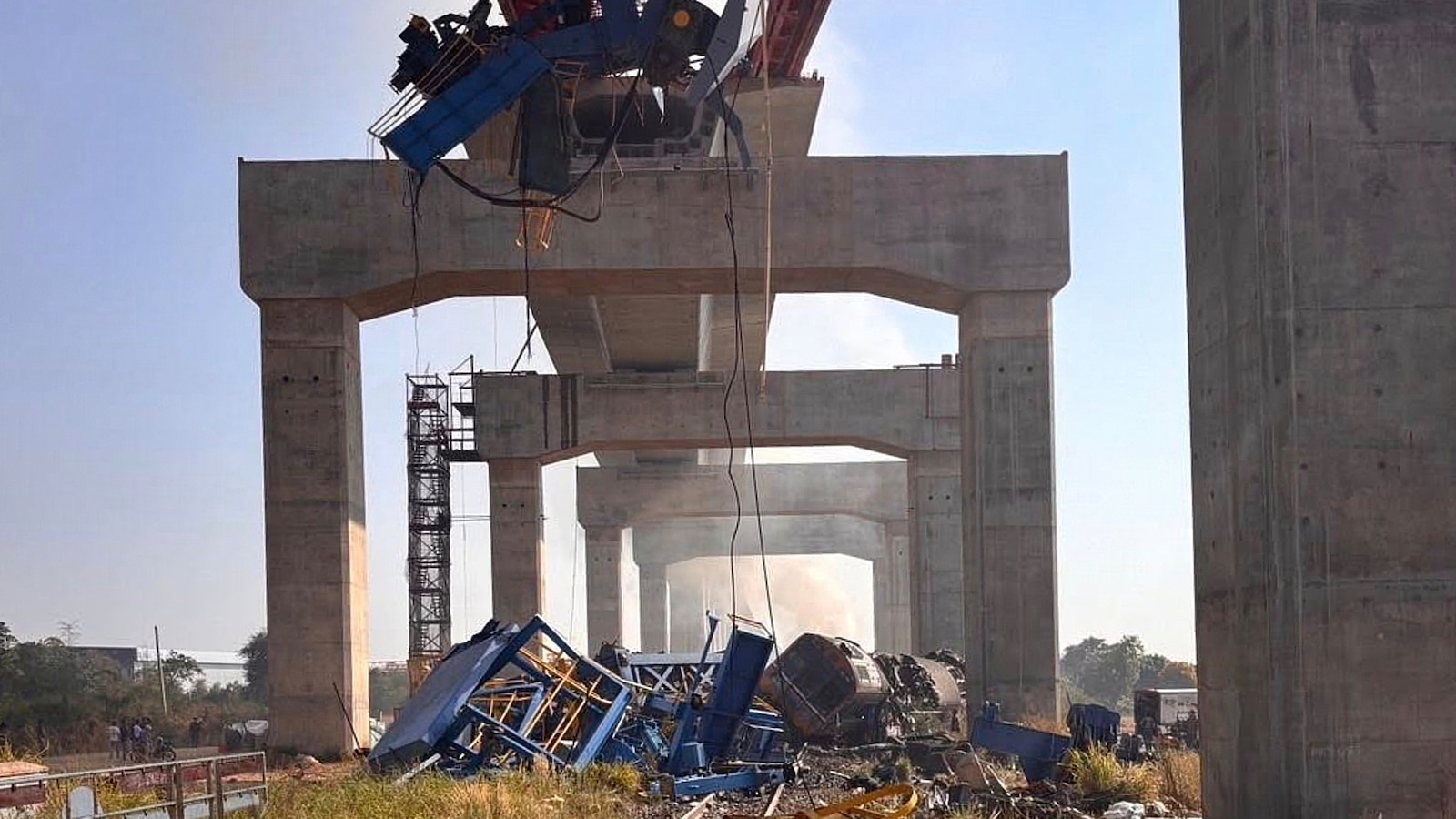
A construction crane for a high-speed rail bridge collapsed onto a moving Special Express Train No. 21 near Nong Nam Khun and Sikhiu stations in Nakhon Ratchasima, Thailand, around 9 a.m., killing at least 32 people and injuring at least 64 of the 195 passengers and staff aboard. The derailment and subsequent fire have prompted on-scene investigations, the transfer of victims to local hospitals, and could trigger scrutiny of the high-speed rail project, potential liability for contractors and insurers, and localized service and travel disruptions.
Market structure: Immediate losers are Thai rail operators, local contractors on the high‑speed project, regional travel & leisure names and domestic insurers facing claims; winners are vendors of rail‑safety, signaling and large foreign EPC firms who can bid for remediation work. Expect a reallocation of near‑term procurement toward well‑capitalized players with compliance track records; short‑term mobility demand in NE Thailand could drop 5–15% for weeks. Cross‑asset: anticipate modest SET underperformance vs EM (1–4%), THB weakening vs USD (0.5–2%), and a small rise in 5–10Y TGB yields as risk premia widen.
Risk assessment: Tail risks include a political backlash that pauses other infrastructure projects (0.5–5% GDP capex downside scenario over 12–24 months), large litigation/compensation charges for contractors and a spike in local insurance payouts that compress margins. Time horizons: days — risk‑off flow and travel slump; weeks–months — insurance settlements and contract renegotiations; quarters — procurement reroutes and safety capex. Hidden dependencies: Chinese/foreign financing terms for the high‑speed project and contractor bond covenants that could trigger defaults.
Trade implications: Tactical plays: buy safety/signal equipment exposure (Alstom ALO.PA, Siemens SIE.DE) for 6–18 months; hedge with short positions in Thailand exposure (iShares MSCI Thailand ETF THD) on material SET weakness. Use options to express skewed risk: buy 3‑month USD/THB calls if THB weakens >1% and 90–120 day put spreads on travel/airline exposure (JETS) to hedge demand shocks. Size trades small (0.5–3% portfolio) and use event triggers (investigation findings, govt compensation policy).
Contrarian angles: Consensus may oversell Thai domestic contractors beyond fundamentals — if investigations clear negligence is idiosyncratic and demand for regional rail remains intact, presenting a mean‑reversion entry once compensation frameworks are announced (watch 30–90 day window). Conversely, overconfidence in large foreign EPCs could be misplaced if governments favor local content; monitor tender documents and financing shifts as catalysts.
AI-powered research, real-time alerts, and portfolio analytics for institutional investors.
Request DemoOverall Sentiment
moderately negative
Sentiment Score
-0.50
