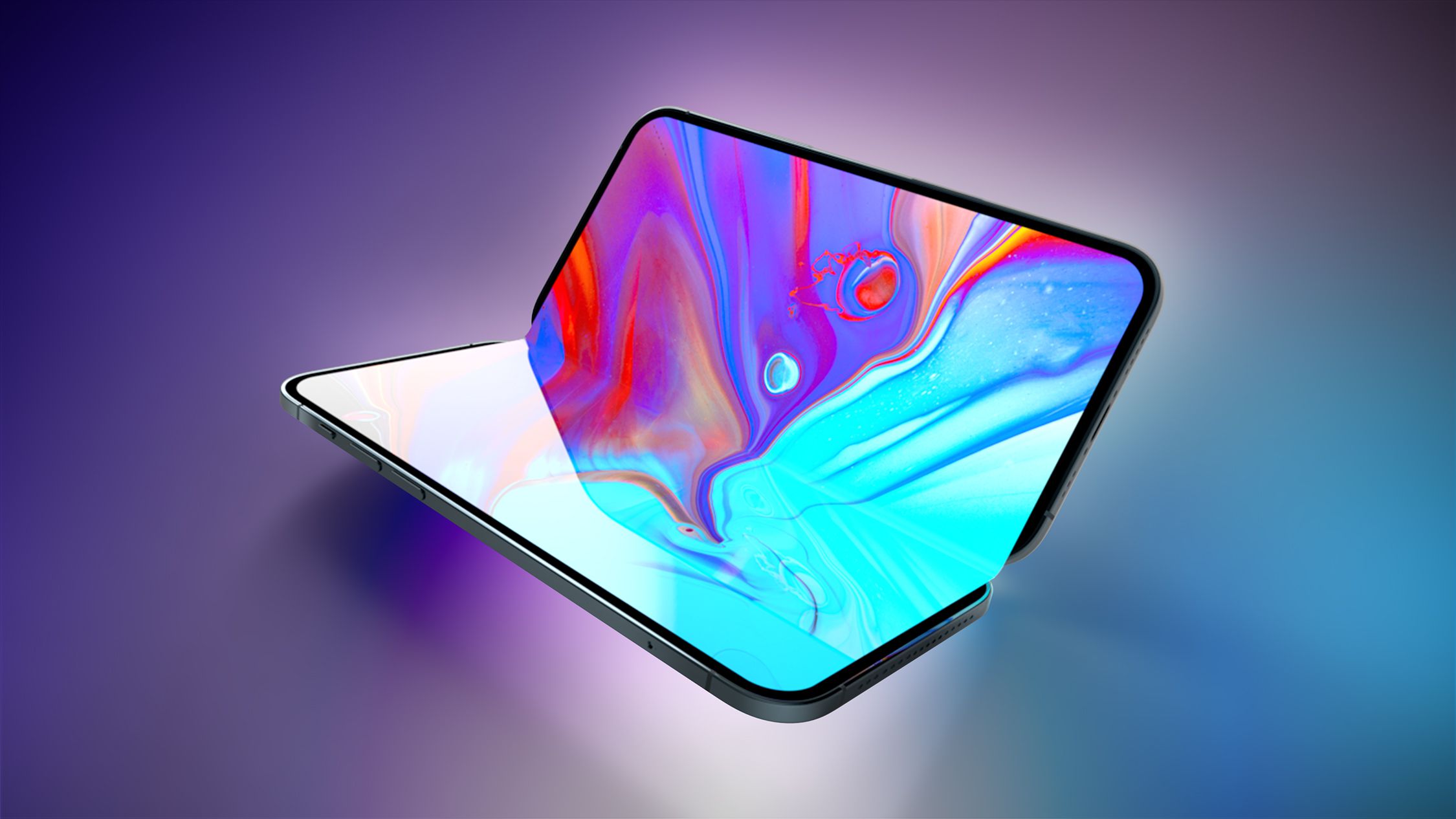
Apple's first foldable iPhone is expected later this year, with TrendForce saying optically clear adhesive (OCA) is the key factor in reducing the display crease alongside ultra-thin glass and hinge engineering. Apple has reportedly targeted a crease depth under 0.15mm and a crease angle under 2.5 degrees, while Foxconn has begun trial production and Samsung Display is on track for OLED panel mass production in May. TrendForce estimates Apple could capture close to 20% of the foldable smartphone market this year, potentially pressuring Samsung and Huawei to about 30% each.
The market is likely underestimating how much of this story is a supply-chain gating event rather than a pure product-cycle headline. If Apple is truly forcing sub-0.15mm crease depth, the bottleneck shifts to specialized materials, precision lamination, and yield management; that favors whichever upstream vendors can meet tight tolerances, while creating a classic earnings leverage setup if initial volumes ramp smoothly. The real second-order winner is the component stack around the panel, not the handset alone: a successful launch would pull forward orders for high-spec adhesives, precision metal parts, and display-process tooling across multiple quarters. For competitors, this is more dangerous than a standard premium-phone launch because it resets the category’s acceptable quality bar. Samsung and Huawei may still hold share, but Apple can reprice consumer expectations on crease visibility, which could compress their ability to monetize foldables at premium ASPs unless they match the mechanical finish. That raises the odds of an industry-wide race to over-engineer durability, which tends to compress gross margins even as unit demand improves. The key risk is execution latency: the stock reaction can occur months before any meaningful revenue contribution, while any yield issue would likely be discovered only after trial production. Near term, the most important catalyst window is the next 6-10 weeks around panel ramp and supplier qualification; failure there would push the revenue inflection into 2026 and deflate the optionality embedded in AAPL. Contrarianly, the consensus may be overpricing how much this matters to FY26 earnings: even a strong launch is likely a halo event first, with margin impact limited unless Apple uses foldables to materially expand average selling price rather than merely cannibalize Pro demand.
AI-powered research, real-time alerts, and portfolio analytics for institutional investors.
Request DemoOverall Sentiment
mildly positive
Sentiment Score
0.35
Ticker Sentiment
