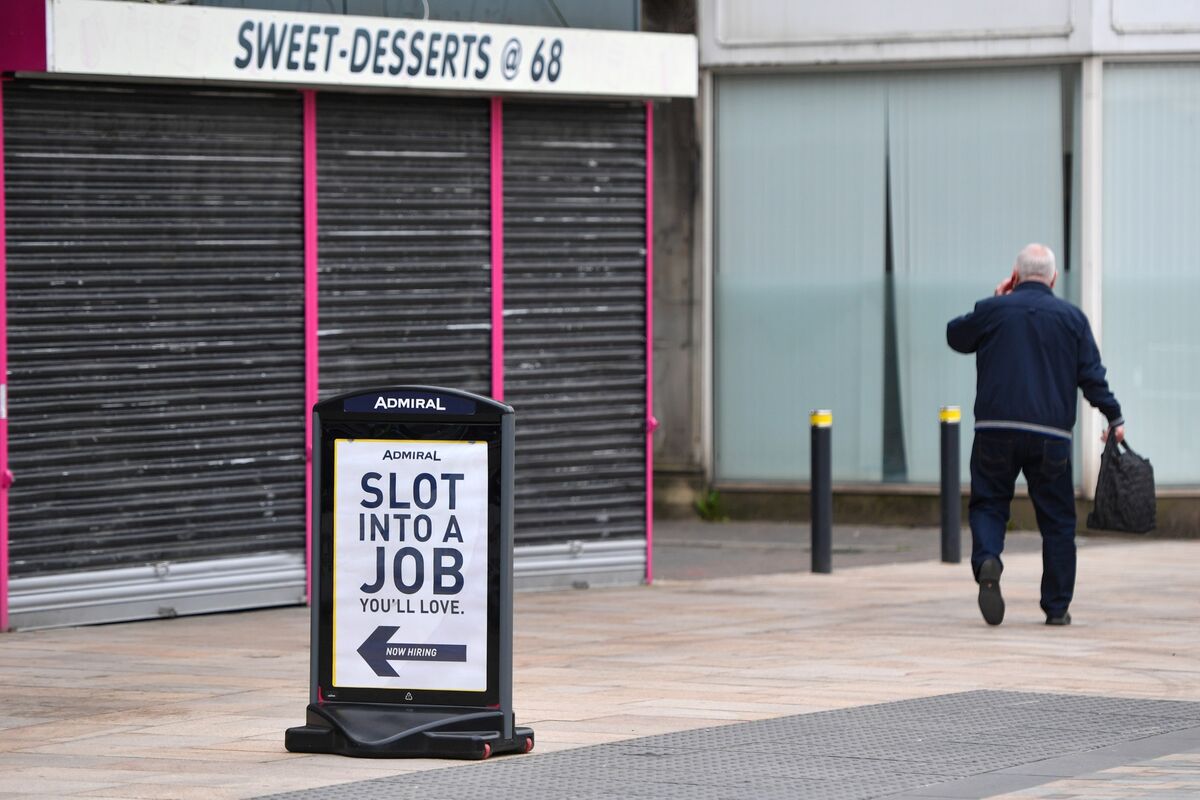
UK employers are continuing to shed jobs as vacancies hit a fresh low, signaling a weak labour market that is “loosening.” The update reinforces caution on near-term growth momentum as hiring demand fades, with implications for broader consumer activity and financial conditions.
The market mechanism here is less about the headline labor print and more about the sequencing: weaker vacancies usually hit discretionary demand before they show up in official unemployment, which means UK consumer-facing earnings risk is likely to be revised down ahead of any help from lower wage inflation. That is negative for high-opex retailers, leisure, and premium discretionary names whose margins were already being defended via price; once traffic softens, the revenue line moves faster than payroll savings.
The second-order winner is the rate-sensitive duration trade. Softer labor should pull front-end gilt pricing lower and bring forward BoE easing, which supports housing affordability and some levered balance sheets. But that only works if credit quality stays intact; if employment weakness persists for 2-3 quarters, the same setup becomes negative for UK domestic banks as arrears and provision build with a lag, while mortgage volumes fail to offset narrower net interest margins.
The consensus is likely to overprice the "good news for cuts" narrative and underprice the earnings downdraft in domestic cyclicals. FTSE 100 multinationals with overseas revenue look relatively insulated versus FTSE 250 domestics, and the consumer stress is most acute in the middle-income segment that drives UK retail volumes. The thesis breaks if wage growth stabilizes quickly or if the next two labor prints stop deteriorating; in that case the market will fade the recession trade and revert to a shallow slowdown view.
AI-powered research, real-time alerts, and portfolio analytics for institutional investors.
Request DemoOverall Sentiment
mildly negative
Sentiment Score
-0.30
