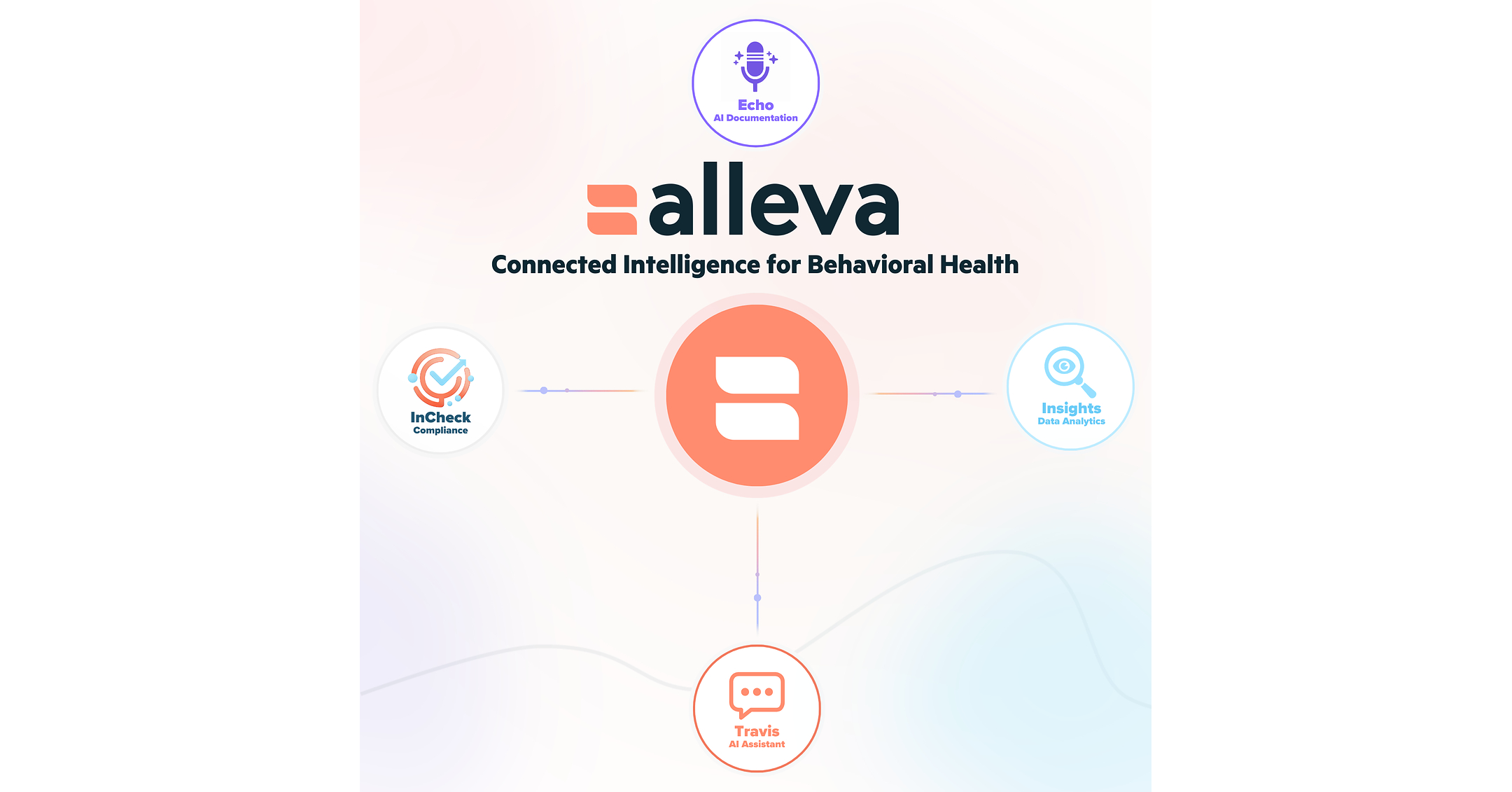
Alleva launched “Alleva Intelligence,” a connected behavioral-health AI ecosystem combining clinical documentation support (Echo), compliance monitoring (InCheck), clinician guidance chat (Travis), and operational analytics (Insights). The offering targets rising administrative burden, staffing shortages, reimbursement pressure, and increasing regulatory complexity, positioning AI as integrated rather than standalone tools. While it’s a clear product expansion, the news is largely a company-level initiative with limited near-term market impact.
This reads more like a product-roadmap signal than a near-term earnings event. In regulated workflow software, bundling AI into documentation, compliance, and operational reporting can improve stickiness, but the monetization path is usually slower than the press cycle: first comes retention support, then seat expansion, then maybe pricing power over 2-4 quarters. The immediate market risk is overestimating revenue impact from a feature launch that has not yet shown measurable attach rate, NRR uplift, or margin leverage.
The second-order competitive effect is more interesting than the headline. Integrated platforms with embedded compliance and knowledge layers can pressure point solutions and generic copilots, because buyers in behavioral health prefer fewer vendors when auditability matters. That should modestly widen the moat for incumbents that already sit inside the clinical workflow, while making standalone AI add-ons easier to commoditize.
The contrarian view is that AI can cut both ways: if it reduces admin burden, it may also tighten payor and regulator scrutiny by making documentation more standardized and easier to audit, which can surface reimbursement issues sooner. Over 6-18 months, the real test is whether this improves conversion from software adoption into recurring revenue, or simply increases product complexity without moving retention. Falsifier: no improvement in renewal rates, implementation times, or gross margin by the next two reporting cycles.
AI-powered research, real-time alerts, and portfolio analytics for institutional investors.
Overall Sentiment
mildly positive
Sentiment Score
0.20
Ticker Sentiment
