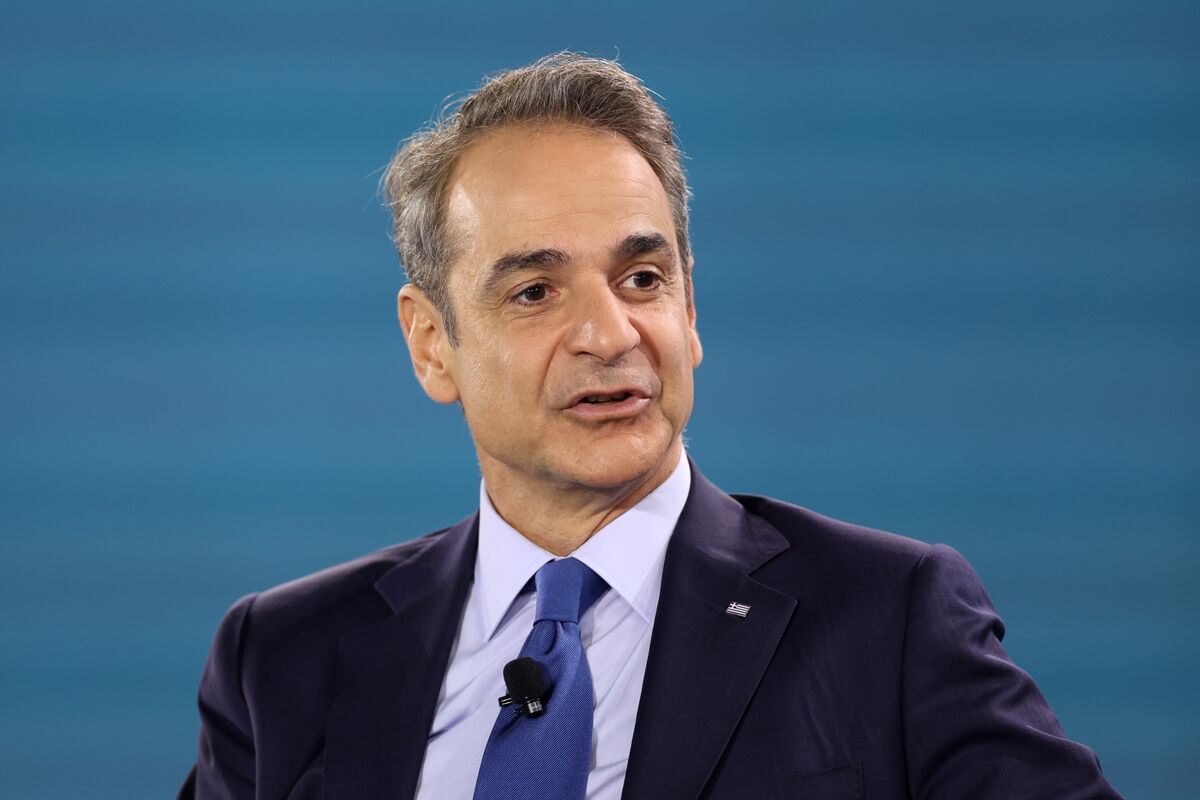
Greek Prime Minister Kyriakos Mitsotakis said Greece and Europe will not participate in military operations near Iran, rejecting US calls to send vessels to restart shipping through the Strait of Hormuz. He indicated little European appetite for such a mission, suggesting limited European military escalation and lower odds of broader NATO involvement.
A shortfall in coalition naval capacity creates a visible marginal demand shock for US forward-deployed sustainment and forshore maintenance: expect an incremental $50-300m/month in operational logistics (fuel, parts, port visits, contractor support) spread across shipyards and MRO suppliers over the next 3–12 months. That reallocation compresses surge capacity in other theaters and accelerates near-term FMS sales and unilateral procurement decisions by regional partners, shortening typical defense contracting timelines from 24+ months toward 6–18 months for spares, sensors, and shipboard systems.
Maritime economics will reprice before strategic policy does—insurers and charterers will demand higher risk premia within days of any incident, and shippers will recalculate route-costs: rerouting around chokepoints typically adds ~7–10 days to voyages and effectively raises spot tanker and dry-bulk freight costs by a material percentage for as long as perceived risk persists (weeks→months). That transit-cost shock acts like a temporary volume tax on refiners and commodity traders, widening crack spreads for importers with contracted freight and pressuring margin for just-in-time supply chains.
Politically, the near-term absence of a broad European naval coalition increases incentives for bilateral security agreements and direct defense sales, which favors US primes with rapid-delivery platforms and logistics footprints. The consensus underprices both the speed at which private and non-EU state actors can backfill (muting long-term uplift) and the tail risk of a single escalation forcing rapid European reversal; watch incident-driven volatility as the key catalyst that can flip market pricing within days.
AI-powered research, real-time alerts, and portfolio analytics for institutional investors.
Request DemoOverall Sentiment
neutral
Sentiment Score
0.00
