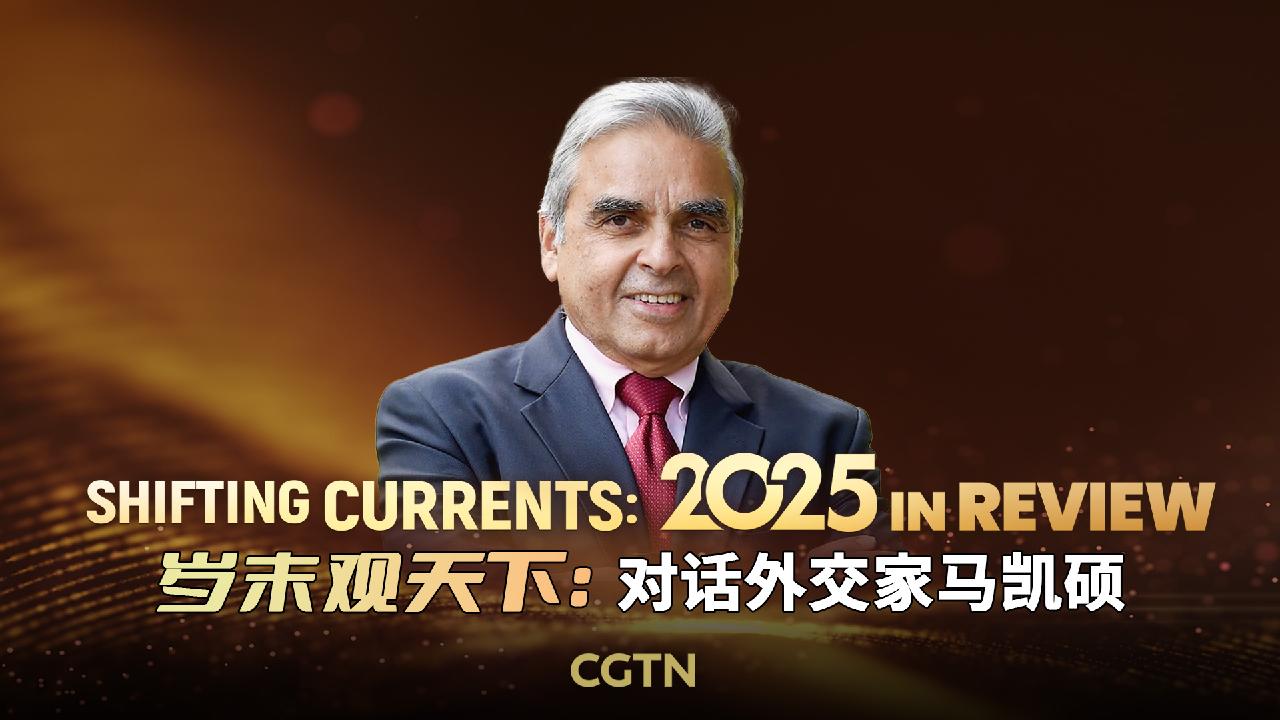
Asia remained the primary engine of global growth in 2025, with China described as advancing a higher-quality development model while playing a stabilizing role in international affairs. The piece frames the year of high-level engagement between China and the U.S. as opening questions about the next phase of bilateral relations and highlights Professor Kishore Mahbubani’s view that Asia’s continued growth and global prosperity depend on cooperation rather than rivalry — a constructive narrative but one that contains no immediate market-moving policy or data announcements.
Market structure: Stabilizing China-U.S. engagement and Asia-led growth favors Asian exporters, industrials, renewables and commodity producers. Expect 6–18 month incremental demand for copper, aluminum and semiconductor capital equipment (+5–15% incremental demand vs baseline if Chinese CAPEX rebounds), while defense exporters and pure-play onshore safe-haven trades could see relative underperformance.
Risk assessment: Key tail risks are a geopolitical shock (Taiwan Strait incident) or fresh Chinese regulatory clampdowns; assign 5–10% probability over 12 months with >20% downside in China equities in each shock. Near-term (days) volatility will track headlines; medium-term (3–9 months) depends on onshore CAPEX flows and FX stability; long-term (2–5 years) is structural: supply-chain reorientation toward Asia and higher commodity intensity.
Trade implications: Favor cyclicals tied to Chinese investment (materials, industrial machinery, renewables) and carry in CNY-denominated credit if yields remain +150–250bp vs US 10y. Use relative-value: long Asia ex-Japan equities vs short US defensive growth to express rotation; implement options to buy downside protection for 1–3 months around major diplomatic summits.
Contrarian angles: Consensus still prices structural decoupling; that's likely overstated — a partial reconciliation would re-rate onshore names by 10–30%. Risks include policy missteps (credit tightening) that could invert the trade; watch China onshore credit impulse and FX reserves weekly for early reversal signals.
AI-powered research, real-time alerts, and portfolio analytics for institutional investors.
Request DemoOverall Sentiment
mildly positive
Sentiment Score
0.25
