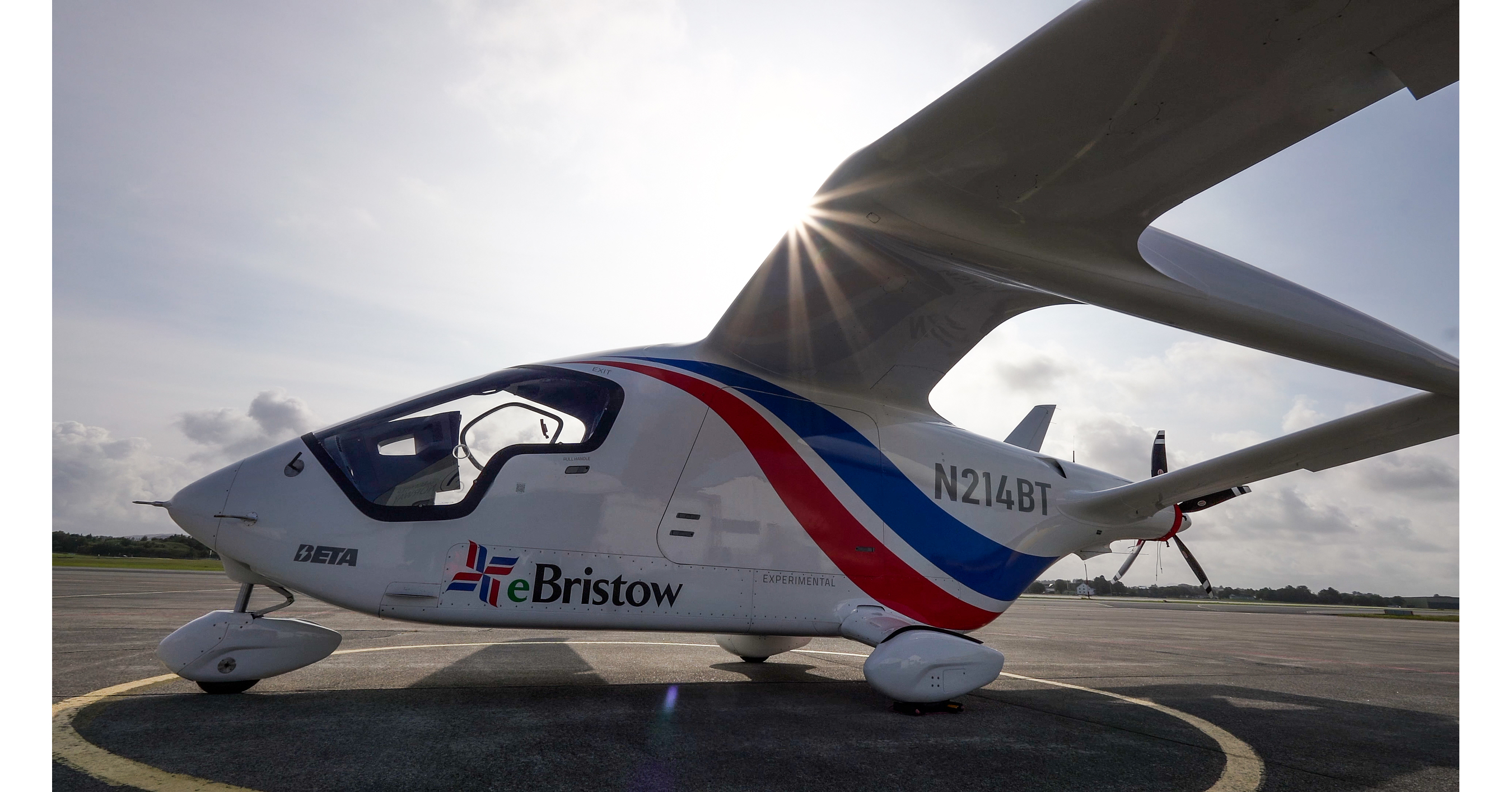
UK Department for Transport funding of £1.5 million will support Project SEAN, a Scotland-based electric aviation initiative planning three-month electric aircraft demonstration flights starting in 2027. The program will use BETA Technologies’ all-electric ALIA CTOL (CX300) aircraft from Inverness Airport, connecting regional routes for passenger, cargo, and medical operations while assessing charging infrastructure and airport readiness. Overall, this is a modest positive step for electric aviation and decarbonization efforts, but it is unlikely to materially move public markets on its own.
This is a validation event, not a revenue event. The funding is too small to matter for P&L, so the market impact should be limited to sentiment around electric aviation and a modest read-through to infrastructure/charging vendors, not to core operators. For VTOL, the value is optionality: it keeps Bristow relevant to a future procurement cycle without changing the economics of its offshore-heavy franchise.
The key 1-3 month risk is narrative inflation. Investors may treat demo flights as a commercialization signal, but the hard constraints are cold-weather battery performance, payload/range tradeoffs, charger reliability, and certification on weather-disrupted regional routes. If any of those fail in trial operations, the tradeable enthusiasm should fade quickly; this is a classic “photos over cash flow” setup.
Contrarian view: the market may be underestimating how much electric aircraft could reinforce incumbents rather than displace them. In remote aviation, the first adoptive use cases are likely medevac, niche cargo, and subsidized regional hops, where the operator relationship and airport access matter more than the airframe. That favors Bristow’s strategic positioning, but it still does not justify rerating until there is evidence of repeatable, paid flying.
AI-powered research, real-time alerts, and portfolio analytics for institutional investors.
Overall Sentiment
mildly positive
Sentiment Score
0.20
Ticker Sentiment
