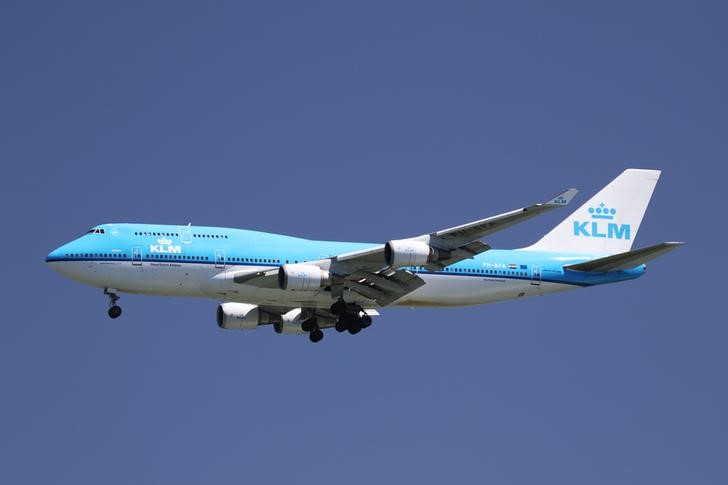
Brent crude fell 4.0% to $96.25 per barrel and crude dropped 4.4% to $92.38 as markets priced in progress toward a U.S.-Iran framework deal to reopen the Strait of Hormuz. European airline stocks rallied, with Lufthansa up 3.8%, Air France KLM up 7.4%, and EasyJet up as much as 5.7% on lower fuel-cost expectations. The news is geopolitically significant and market-wide given the potential impact on energy flows and risk sentiment, though key issues remain unresolved.
This is a classic relief trade in airlines, but the more important signal is that the market is pricing a lower probability of a persistent supply shock. That matters because airlines do not need oil to stay low for long; they need it to stay below the level where hedging rolls start to reprice earnings estimates over the next 1-2 quarters. The strongest near-term beneficiaries should be the most fuel-sensitive leisure carriers with limited refinery/diversification offsets, while the relative underperformers are the network airlines that already have better business-travel demand and less EPS torque from fuel.
The second-order winner is not just airlines but broader transport and import-sensitive cyclicals, especially names where fuel is a large percentage of operating expense and pricing power is weak. However, if the geopolitical headline premium collapses faster than physical crude balances justify, the move in airline equities could outrun the input-cost benefit, creating a setup where the stock reaction is larger than the eventual margin revision. That usually favors a fade in the highest-beta names once the first squeeze settles, because the market tends to front-run two things at once: lower fuel and improved risk appetite.
The key risk is that this is still a headline-driven market, not a resolved supply reset. Any sign that negotiations stall or that maritime risk remains elevated would reverse the trade quickly, and the lag between oil moving and airline P&L improvement means equities can give back gains faster than analysts cut estimates. The contrarian angle: if peace odds rise, the bigger medium-term loser may be the inflation hedge complex—energy producers, tanker rates, and defense-linked risk premia—while airlines may only see a temporary margin tailwind unless the oil move becomes durable.
AI-powered research, real-time alerts, and portfolio analytics for institutional investors.
Request DemoOverall Sentiment
mildly positive
Sentiment Score
0.22
Ticker Sentiment
