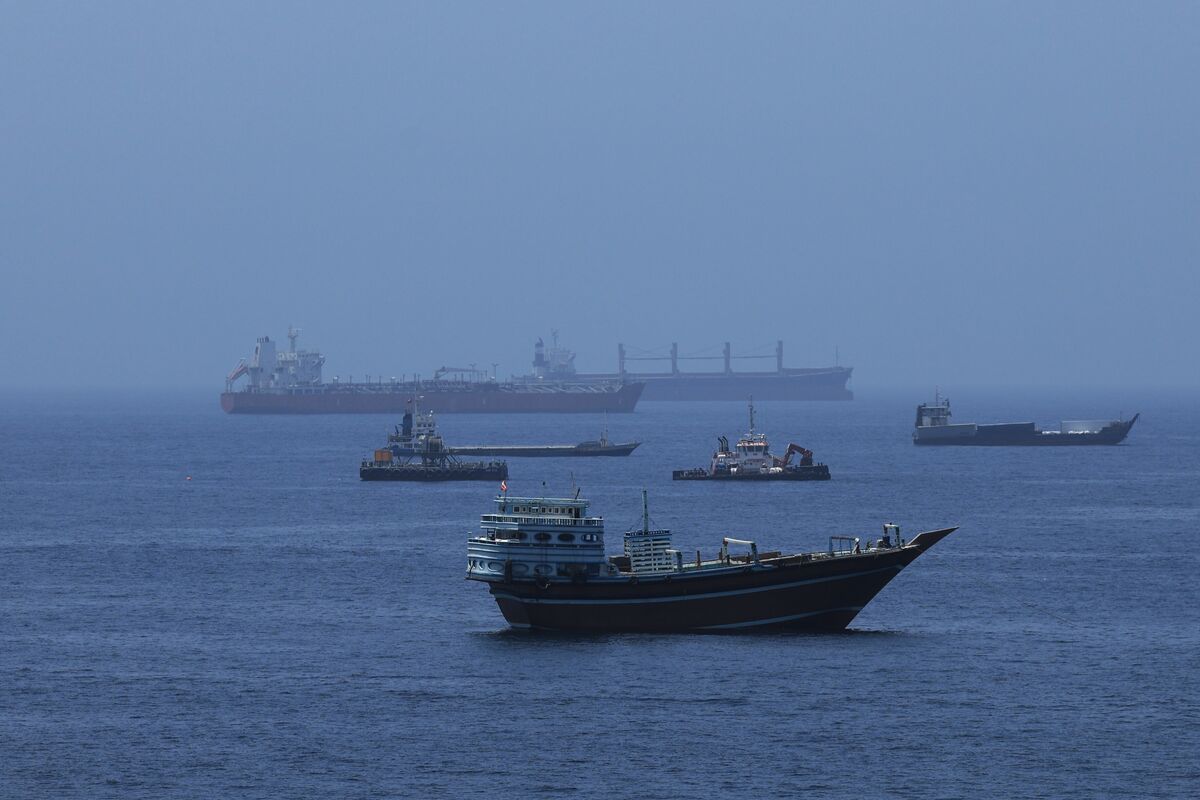
The Trump administration now expects Iran-related oil supply disruptions averaging about 600,000 barrels per day through end-2027, as shipments remain restricted via the Strait of Hormuz. Oil flows through the waterway averaged 4.9 million bpd in Q2 2026 versus 21.6 million bpd in Q4 2025 before the Feb. 2026 escalation. This sustained disruption risk is likely to keep upward pressure on energy prices and related supply-chain costs through the period.
The market mechanism here is not just a higher crude print; it is a persistent geopolitical risk premium that should keep energy vol elevated and cap downside in upstream equities. The cleanest winners are U.S.-listed producers with no Strait exposure and low lifting costs; the cleaner losers are fuel-intensive end markets like airlines, trucking, chemicals, and Asia-dependent refiners that cannot pass through feedstock cost shocks as quickly. A subtle second-order effect is tanker/insurance tightness: even if barrels are eventually rerouted, higher freight and war-risk premia can preserve the earnings impact well beyond the initial headline.
The biggest risk to the trade is that the disruption is already widely recognized and can be partially offset by spare capacity, strategic releases, or demand destruction if Brent stays too high. In the next few days, crude beta dominates; over 1-3 months, the earnings revisions matter for transport and consumer cyclical names; over 6-18 months, sustained elevated prices accelerate shale capex and efficiency gains, which can soften the supply shock. If Brent fails to hold an upside break and retreats as inventories normalize, the risk premium should unwind quickly.
Consensus may be over-focusing on direction and underpricing dispersion. A contained disruption can be enough to hurt transports and industrials without delivering a durable rally in the broad market, making relative-value trades more attractive than outright crude longs. The contrarian view is that energy equities may lag the commodity if investors assume a short-lived headline spike; the better expression is long energy vs fuel-sensitive sectors, or long vol on the most geopolitically sensitive assets. Falsifier: a rapid diplomatic de-escalation or credible spare-capacity response that pushes Brent back below the initial breakout range.
AI-powered research, real-time alerts, and portfolio analytics for institutional investors.
Request DemoOverall Sentiment
mildly negative
Sentiment Score
-0.35
