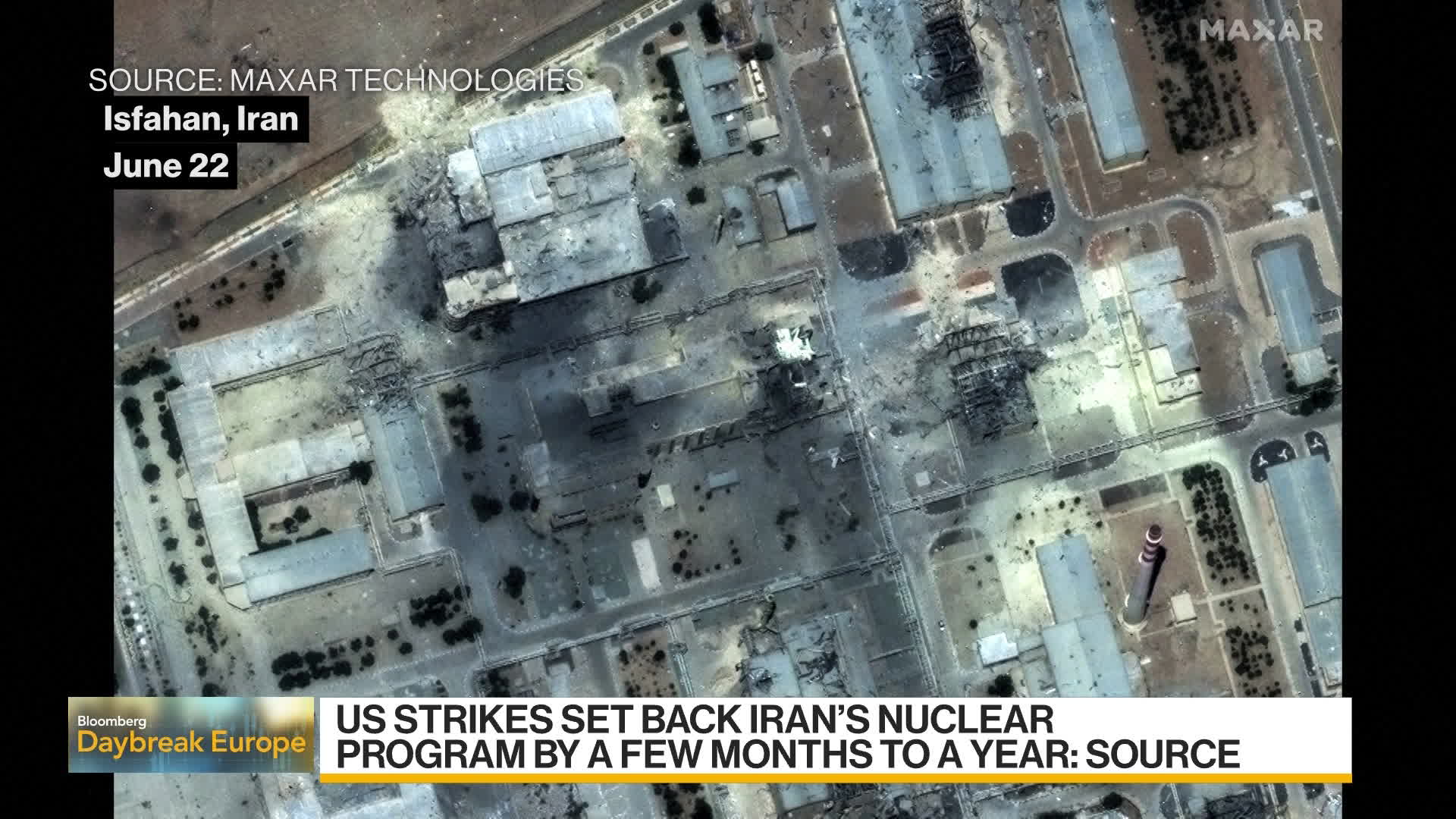
An agreed ceasefire between Israel and Iran, confirmed by Prime Minister Netanyahu, has immediately led to a slump in oil prices, reflecting a de-escalation in regional tensions. Despite the ceasefire, observers note confusion regarding its specifics, while former President Trump has warned against violations but affirmed China's ability to continue purchasing Iranian oil, indicating ongoing geopolitical complexities and market sensitivity.
A confirmed ceasefire between Israel and Iran has prompted an immediate slump in oil prices, reflecting a market repricing for lower geopolitical risk. However, the situation is characterized by significant uncertainty, as observers describe the agreement as confusing and expert analysis suggests Iran remains 'weakened but vengeful,' indicating the ceasefire may be fragile. This cautious outlook is compounded by geopolitical complexities, including former President Trump's dual warning against violations while simultaneously signaling that China can continue purchasing Iranian oil. This suggests potential shifts in U.S. sanctions policy that could impact global energy markets irrespective of the immediate de-escalation. The conflict has also brought secondary impacts into focus, such as disruptions to aviation from airspace closures and an emphasis on defense spending ahead of a NATO summit.
AI-powered research, real-time alerts, and portfolio analytics for institutional investors.
Request DemoOverall Sentiment
mildly positive
Sentiment Score
0.20
