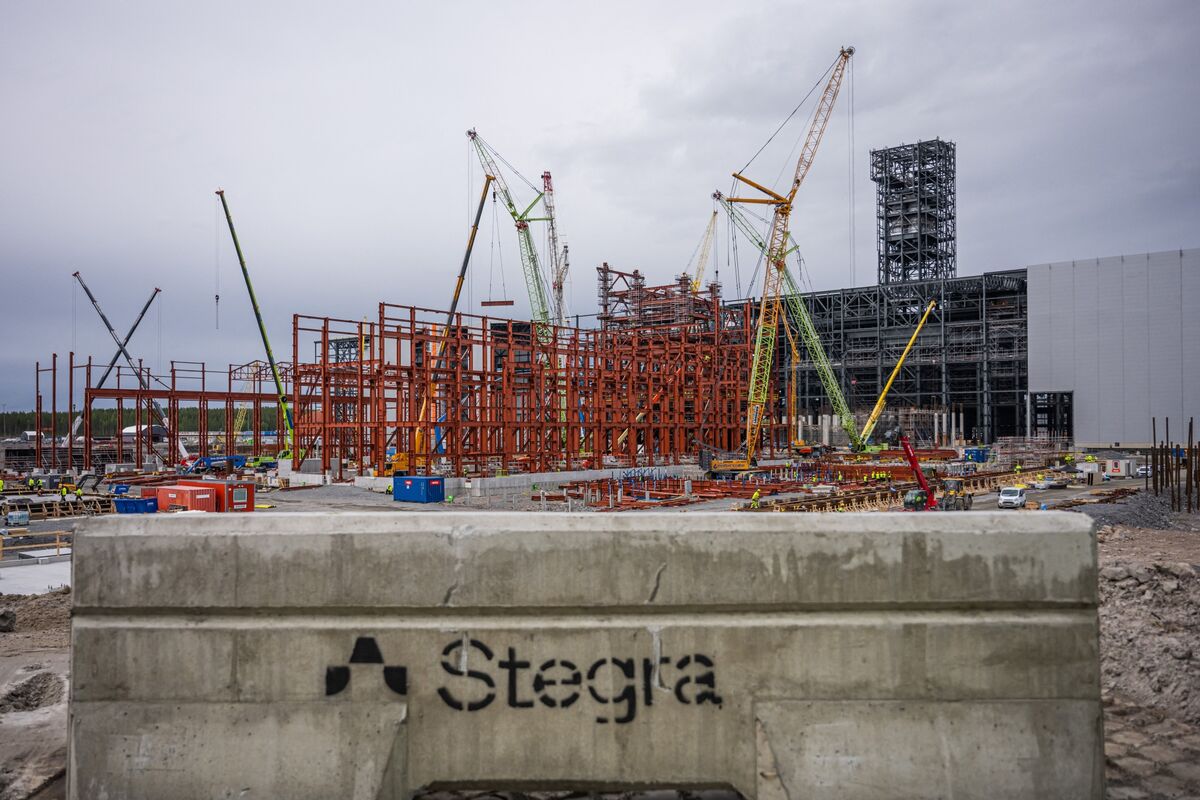
Stegra AB secured an additional €1.4 billion ($1.65 billion) in financing led by Wallenberg Investments to help complete what is set to be the world’s biggest green-steel plant. The consortium also includes Temasek and IMAS, with existing shareholders Altor, Hy24 and Just Climate contributing as well. The funding reduces execution risk for the project and supports the company’s continued buildout of a major industrial decarbonization asset.
This funding round does more than keep one project alive; it validates that “green premium” industrial decarbonization is still financeable when anchored by credible sovereign-like backers. The second-order effect is a re-rating of execution risk across the broader green steel stack: electrolyzers, grid equipment, hydrogen logistics, and low-impurity iron ore suppliers gain incremental optionality, while other pre-revenue clean industrial names now face a higher bar to prove they can attract patient capital on comparable terms.
The real market implication is competitive, not just project-specific. If this plant advances, it tightens the strategic window for incumbent European steelmakers that have been slow to decarbonize; they may be forced into earlier capex commitments or lose premium automotive and construction offtake over the next 12-36 months. That said, financing is not the same as de-risking commissioning: industrial megaprojects commonly see 15-30% schedule slips, and any delay would compress returns because debt-like capital keeps accruing while carbon-credit and offtake benefits arrive later.
The contrarian view is that the market may be overestimating how quickly customers will pay for green steel at scale. The key bottleneck is not capital but the spread between green production cost and what downstream buyers can pass through in weak end-markets; if European manufacturing slows, offtake agreements could become more price-sensitive and less durable. In that scenario, this looks less like a clean re-rating catalyst and more like a bridge financing event that postpones but does not eliminate restructuring risk for the sector.
Catalyst path matters: over the next 1-3 months, sentiment should improve for infrastructure and renewable supply-chain names; over 6-18 months, the real test is project milestone delivery, permits, and first equipment installation. Any slip in grid connection, hydrogen supply, or contractor performance would quickly re-open financing skepticism and likely hit adjacent unlisted climate tech valuations more than the steel project itself.
AI-powered research, real-time alerts, and portfolio analytics for institutional investors.
Request TrialOverall Sentiment
moderately positive
Sentiment Score
0.62
