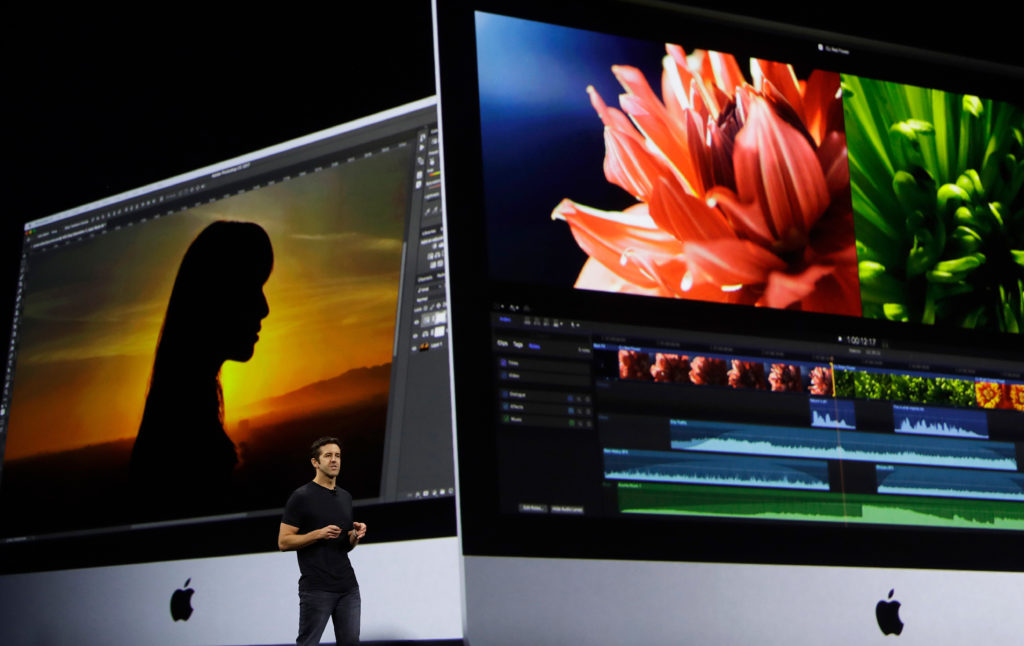
Apple named John Ternus, 50, as its next CEO, with the transition set for September as Tim Cook steps down after turning Apple into a $4 trillion company. The market focus is on whether Ternus can accelerate Apple's lagging AI strategy, including Siri improvements tied partly to Google, while managing supply chain exposure to China and geopolitical risk. The change is presented as a planned succession with little expected near-term strategy disruption.
The leadership change is less about continuity risk than about strategic optionality collapsing into a single constraint: Apple now has to prove it can win the next interface layer without the operating leverage that came from hardware-only excellence. A hardware-native CEO usually improves execution discipline, but it also raises the odds that Apple doubles down on ecosystem control rather than accepting an open AI stack; that would support margin durability near term, yet risks slower product cadence if the company overbuilds in-house. The market’s first reaction should be modest because governance continuity is high, but the multiple matters more than the headline—Apple can sustain premium valuation only if WWDC shows a believable path to AI differentiation rather than a defensive licensing posture.
The second-order winner is Google, not because Apple is weak, but because every incremental delay in Apple’s own model stack increases the strategic value of the current dependency. That should subtly improve GOOGL’s bargaining power in consumer AI distribution and create a longer runway for search/assistant monetization on iOS, even if the direct revenue line is opaque. Conversely, Forrester-like research beneficiaries are likely to see a short-lived lift in enterprise interest around AI strategy audits, but this is probably more sentiment than revenue unless Apple’s WWDC forces peers to revisit build-vs-buy decisions.
The bigger tail risk is supply-chain policy, not product launch risk. If the new CEO is less politically seasoned than Cook, Apple’s China exposure becomes a valuation discount variable again, especially if trade rhetoric intensifies into the fall budget cycle; that risk is months, not days. The contrarian angle is that the transition may be more bullish than consensus implies for medium-term operating discipline: a hardware engineer CEO could force tighter product roadmaps, fewer speculative bets, and better capex efficiency, which the market may reward after an initial wait-and-see phase.
AI-powered research, real-time alerts, and portfolio analytics for institutional investors.
Request TrialOverall Sentiment
neutral
Sentiment Score
-0.05
Ticker Sentiment
