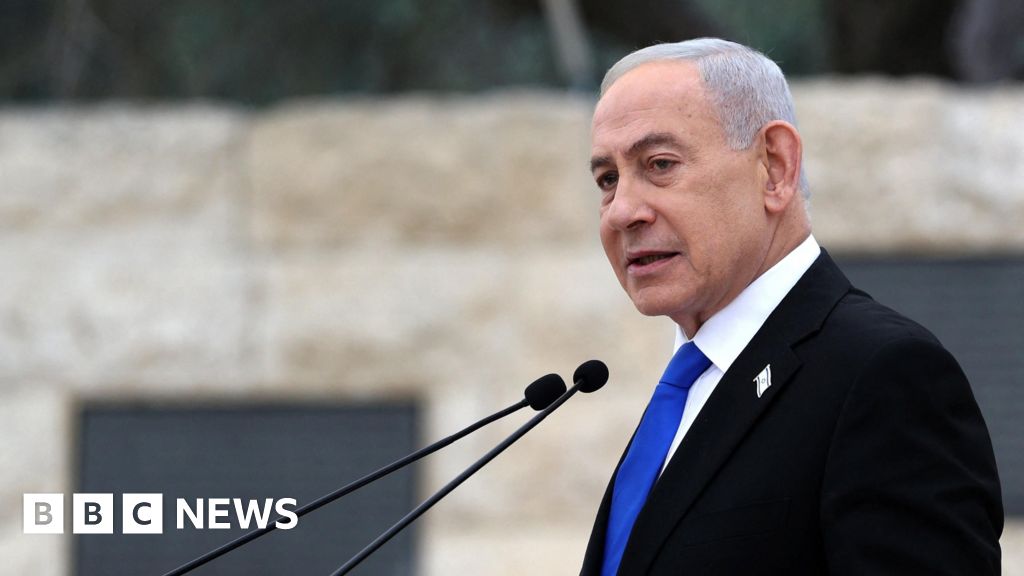
Netanyahu said he has directed the IDF to expand control of Gaza to 70%, up from roughly 60% currently and about 53% under the October 2025 ceasefire terms. The move underscores worsening tensions as Israel continues strikes despite the ceasefire, while indirect US-brokered talks remain stalled. Gaza casualties remain severe, with at least 738 Palestinians reported killed since the ceasefire and 72,742 killed as of 12 May 2026, according to the Hamas-run health ministry.
This is a classic escalation-without-closure setup: incremental territorial expansion signals that the military campaign is drifting from a bargaining tool into a de facto annexation/occupation path. The market implication is not immediate commodity shock, but a rising probability of a prolonged security premium across regional assets, with the biggest second-order effect being a longer-lived impairment to reconstruction optionality in Gaza and to any normalization-led capex cycle across Israel-adjacent infrastructure. In practice, that argues for higher civil-risk discount rates in anything exposed to Levant logistics, cross-border labor flows, or donor-funded rebuild activity.
The more interesting dynamic is that the ceasefire framework is becoming less credible while talks remain open, which tends to widen the gap between headline diplomacy and on-the-ground military facts. That usually keeps risk assets hostage to binary event risk: a hostage/de-escalation headline can squeeze shorts hard, but the base case remains a slow grind of strikes and retaliatory positioning that extends over weeks to months rather than days. If the US tolerates this drift, the near-term tradeable effect is not a broad regional selloff, but repeated spikes in volatility and a higher floor for defense/security spend assumptions.
Contrarian angle: the consensus may be overpricing the idea that this automatically becomes a wider regional war. Netanyahu’s stepwise language and the targeting pattern suggest controlled escalation rather than a breakout, which limits contagion to oil and global equities unless Lebanon/Iran are pulled in. The underappreciated risk is humanitarian and political fatigue, which can force a policy reset later and produce a sharp reversal in the security premium; until then, the path of least resistance is to own defense duration and fade optimism around reconstruction-linked names.
Best expression is to buy volatility rather than direction. The market is likely to misprice the timing of any diplomatic pivot, so options around specific political windows should outperform outright equity bets. A separate edge is that any perception of prolonged occupation raises longer-run insurgency risk, which should support firms with recurring counter-drone, munitions, and border-security revenue rather than pure platform primes.
AI-powered research, real-time alerts, and portfolio analytics for institutional investors.
Request TrialOverall Sentiment
strongly negative
Sentiment Score
-0.72
