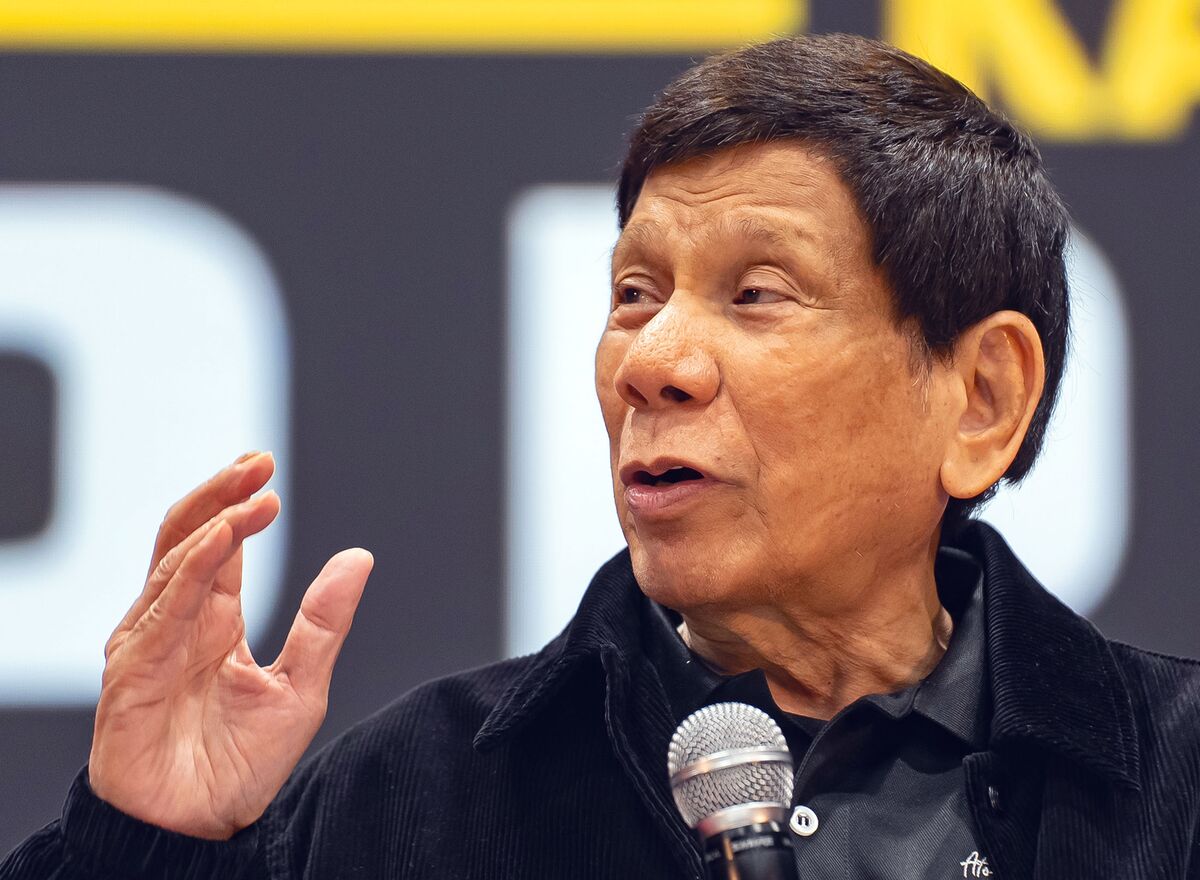
The ICC pre-trial chamber confirmed crimes against humanity charges against former Philippine President Rodrigo Duterte and committed him to a full trial. The ruling states Duterte is "criminally responsible" for alleged murder in connection with the drug war. This is a significant legal and political development, but it is unlikely to have broad direct market impact.
This is a meaningful increment for political-risk pricing in the Philippines even without an immediate market shock. The first-order read is reputational damage to the Duterte network, but the bigger second-order effect is that elites now have a live template for international accountability, which can widen the perceived tail risk for incumbents and security-aligned factions across Southeast Asia. That typically raises the discount rate on domestic policy continuity before it changes cash flows, so the impact shows up first in FX, local duration, and sectors exposed to regulatory discretion rather than in broad equity beta.
The near-term winner is the opposition and any reform bloc that can frame itself as the safer steward of institutional legitimacy; the loser is the pro-Duterte political coalition, especially if it is still dependent on patronage networks and local power brokers. For investors, the non-obvious spillover is to businesses that rely on government procurement, licensing, or policing-heavy operating environments: when political survival becomes less certain, decision latency rises and headline risk widens. That argues for a temporary risk premium in domestic banks, telcos, gaming, and infrastructure names with direct policy exposure.
The key catalyst is not the trial itself but whether this becomes a broader crackdown narrative or a contained legal proceeding. Over days to weeks, expect volatility in Philippine sovereign spreads and the peso if rhetoric escalates; over months, the trade is about whether the ruling coalition can convert legal pressure into electoral backlash or whether it catalyzes anti-corruption positioning ahead of the next cycle. The main reversal would be a credible political settlement or procedural delay that reduces the odds of sustained media attention.
Consensus may be underestimating how slowly these cases move versus how quickly they can move sentiment. That means the move may be underdone for event-driven accounts but overdone for investors expecting immediate policy changes; the best expression is to fade short-term panic while maintaining structural hedges against domestic political volatility.
AI-powered research, real-time alerts, and portfolio analytics for institutional investors.
Request TrialOverall Sentiment
mildly negative
Sentiment Score
-0.20
