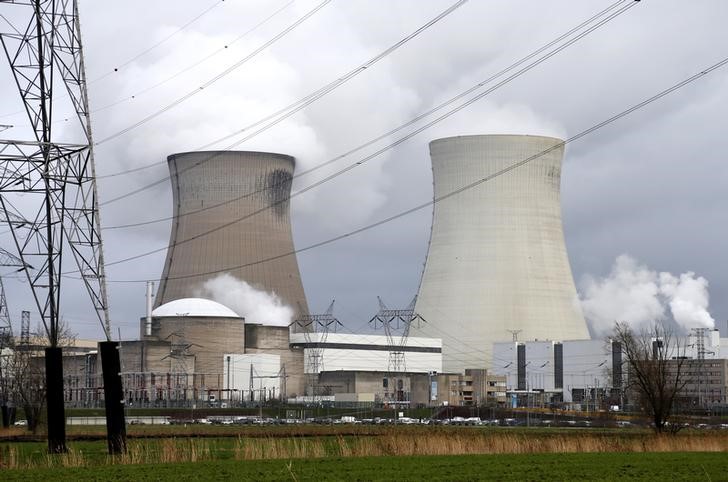
Bank of America sees uranium averaging $135/lb in 2H26 and 2027, implying a 56% upside from current spot prices as structural supply deficits, aging mines, and renewed utility contracting tighten the market. The firm says utilities are re-engaging at around the $100/lb level, while about $9 billion of uranium in closed-ended vehicles is removing material from circulation. The outlook is constructive for uranium and nuclear-linked commodities, though timing remains dependent on 2026 contracting activity and incremental supply response.
This is less a commodity call than a capital-allocation call on a constrained industrial cycle. The key second-order effect is that utilities are being forced to internalize supply-security premia, which shifts pricing power away from marginal producers and toward names with permitted reserves, low restart risk, and contracting optionality. In that regime, the market usually overpays for perceived “production beta” while underpaying for balance-sheet durability and long-duration resource control.
The most attractive setup is not the spot-sensitive basket, but the leverage to term contracting in the next 12-24 months. If utilities truly move to rebuild inventories, the winners will be producers able to lock multi-year offtake above replacement cost, while the losers are late-cycle ISR projects with rising reagent/input intensity and weak pricing visibility. A subtle margin squeeze also emerges in the fuel cycle: higher enrichment costs can redirect demand back to natural uranium units, effectively amplifying the deficit beyond headline reactor growth.
The bigger risk is policy and financing, not demand. A sharp macro drawdown can hit uranium equities before it changes reactor burn, because fund flows and leverage matter near term; but that would likely be a buying opportunity unless it coincides with large government inventory releases or rapid supply restart announcements. The contrarian view is that the market may still be underestimating how much contracting needs to happen in 2026-27 to restore security buffers, which suggests the current move could be early rather than crowded.
AI-powered research, real-time alerts, and portfolio analytics for institutional investors.
Overall Sentiment
moderately positive
Sentiment Score
0.45
Ticker Sentiment
