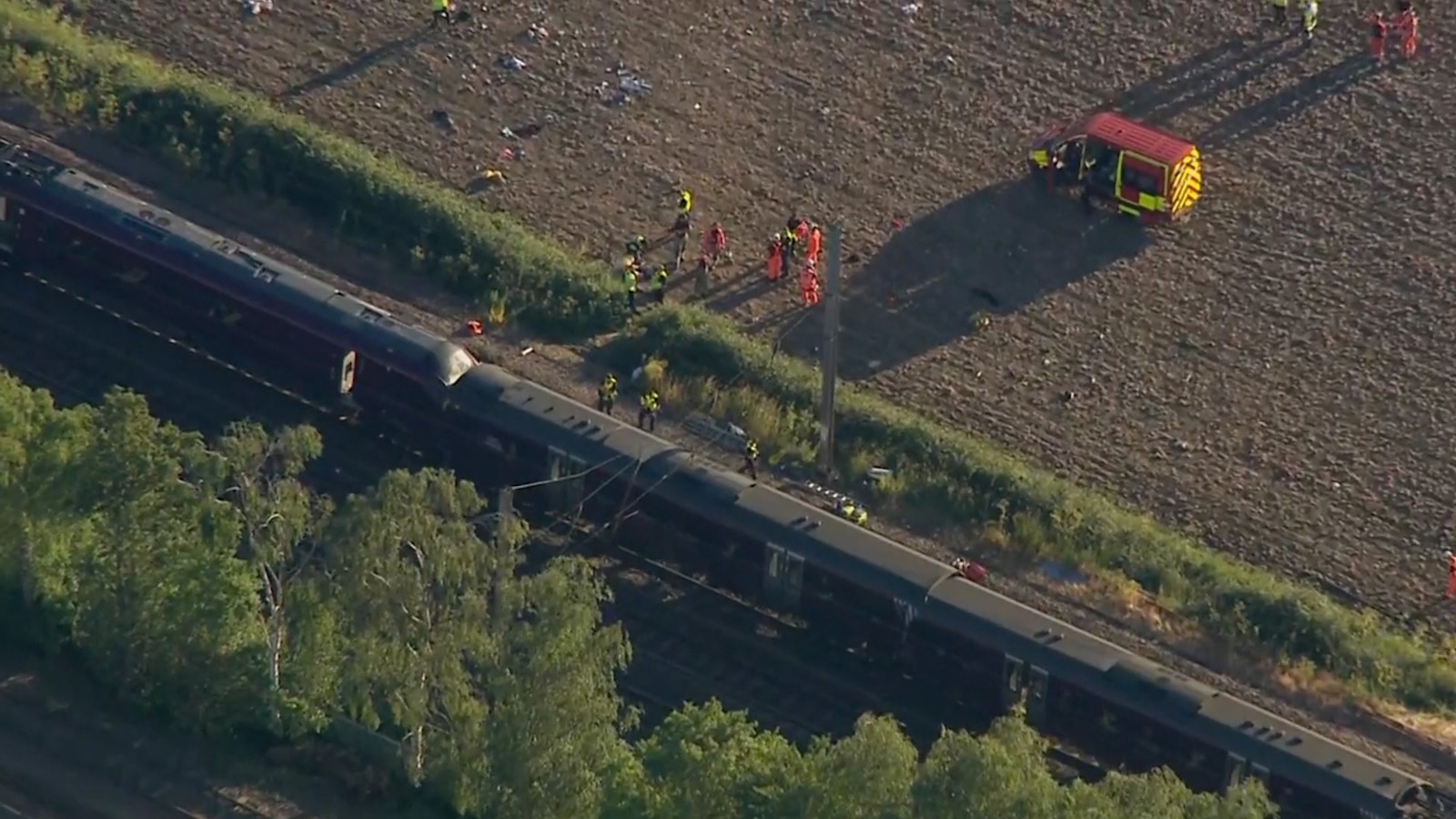
One person died and nearly 90 were injured after two East Midlands Railway passenger trains collided in the Bedford area north of London, including 11 with very serious injuries and 22 with serious injuries. More than 20 ambulances were dispatched, and rail services in and out of London were suspended for the rest of the day. The incident is a major transport disruption and likely to pressure rail operations and passenger confidence in the near term.
This is a classic low-beta, high-friction shock: the direct economic loss is small, but the operational fallout is asymmetric because rail networks are tightly coupled and recovery is nonlinear. The immediate winner is road-based capacity—coach operators, taxi aggregators, airport shuttles, and last-mile logistics around London and the East Midlands may see a short-lived surge in demand as displaced commuters reroute. The bigger second-order effect is on network throughput: when a corridor with high intercity density goes partially offline, spillover delays can propagate across adjacent lines and amplify missed connections, overtime costs, and compensation claims for days even after service restoration.
From a market perspective, the most relevant losers are rail operators and infrastructure contractors with large UK exposure, but the earnings hit is typically more from interruption costs, claims handling, and reputational drag than from the incident itself. The broader theme is that aging transport infrastructure is becoming a catalyst for higher maintenance spend, stricter inspection regimes, and potentially faster capex approvals over the next 6-18 months. That is constructive for rail signaling, inspection, and safety systems vendors, but negative for operators with thin margins and high fixed costs because incremental compliance spend tends to outrun fare recovery.
The contrarian view is that the selloff risk in transport names may be overdone if the incident is treated as a one-off operational event rather than a systemic failure. The better expression is not to short the whole transportation complex, but to separate asset-light operators from picks-and-shovels beneficiaries. If regulators respond with accelerated safety audits, the real upside could come with a lag: procurement cycles for monitoring, switching, and automation equipment often re-rate first in sentiment and only later in orders, creating a 3-9 month window for a cleaner entry.
AI-powered research, real-time alerts, and portfolio analytics for institutional investors.
Request DemoOverall Sentiment
strongly negative
Sentiment Score
-0.85
