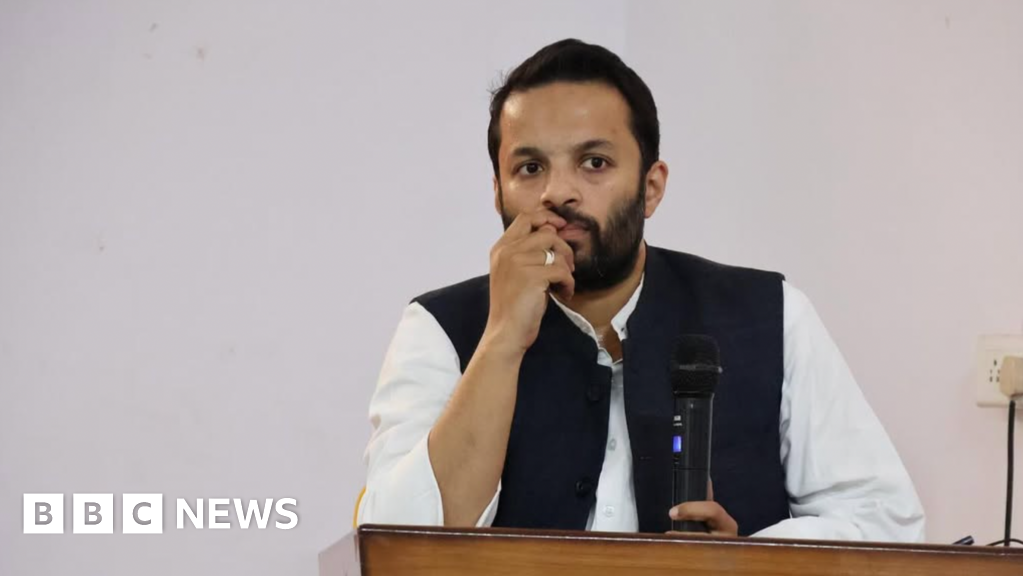
India's Supreme Court granted interim bail to Ashoka University professor Ali Khan Mahmudabad, who was arrested for social media posts concerning India-Pakistan military hostilities; the court, however, refused to halt the investigation into allegations that his posts endangered national sovereignty and promoted enmity, and barred him from online commentary on the matter. The arrest has drawn criticism from academics and rights groups, who view it as censorship, while the university expressed relief at his release; the case highlights ongoing tensions surrounding free speech and political expression in India.
India's Supreme Court has granted interim bail to Ashoka University professor Ali Khan Mahmudabad, who was arrested over social media posts concerning recent India-Pakistan military hostilities. Significantly, the court refused to stay the investigation into allegations that his remarks endangered national sovereignty and promoted enmity, and has barred him from further online commentary on the matter. The arrest, initiated by a complaint from a youth member of the governing Bharatiya Janata Party (BJP), has elicited criticism from academic and rights groups, who label it an instance of censorship and an infringement on free speech. While Ashoka University expressed relief at the bail, the ongoing investigation by a special team and the court-imposed restrictions highlight the sensitive intersection of national security discourse, political expression, and legal due process in India. This incident, occurring against a backdrop of heightened India-Pakistan tensions and drawing commentary from opposition political figures, serves as an indicator of the prevailing climate for dissent and academic freedom in the country.
AI-powered research, real-time alerts, and portfolio analytics for institutional investors.
Request DemoOverall Sentiment
Neutral
Sentiment Score
-0.10
