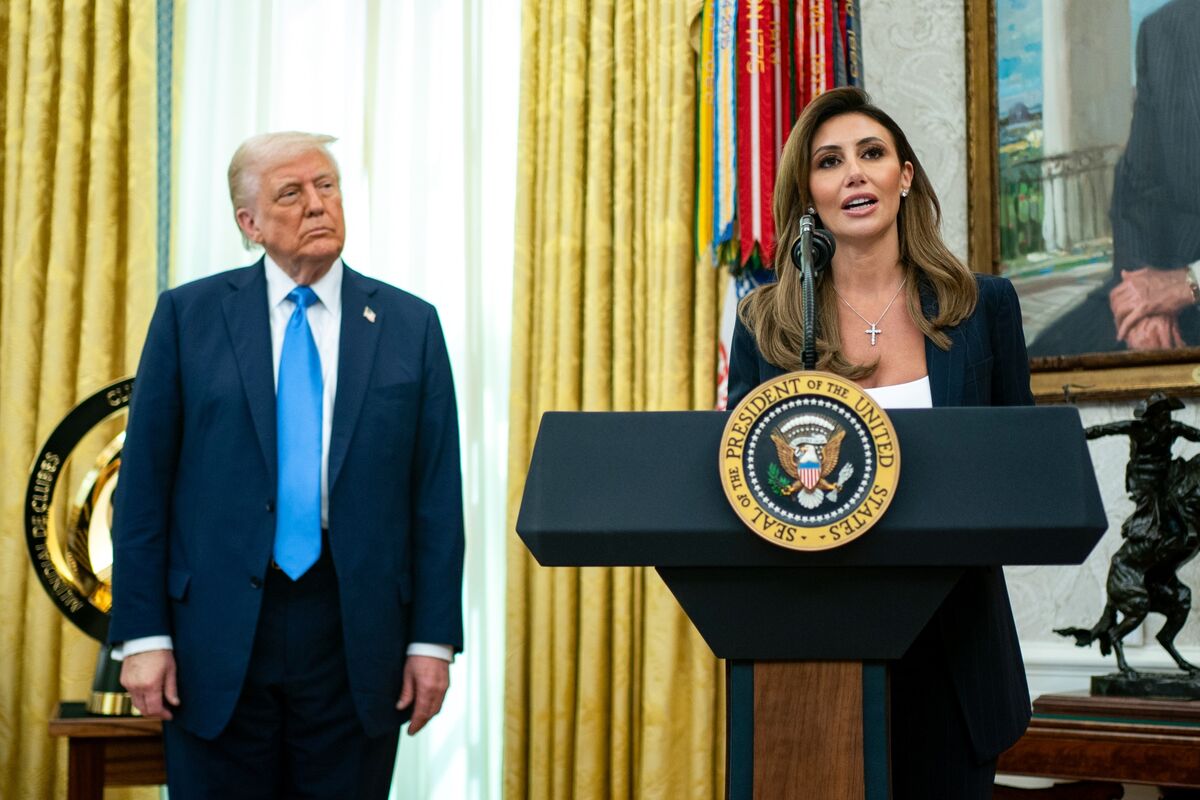
Alina Habba has resigned as the U.S. attorney for New Jersey after a federal appeals court ruled her appointment as acting U.S. attorney was unlawful, a setback for the Trump administration's efforts to place loyalists in Justice Department leadership roles. Attorney General Pam Bondi announced the resignation and described herself as saddened; the decision highlights legal limits on administration staffing but is unlikely to have direct market or financial implications.
Market structure: This is a localized political/legal shock with limited direct economic transmission; winners are compliance/consulting and federal contractors (incremental advisory spend), losers are specific firms facing NJ federal litigation and market participants with concentrated NJ legal exposure. Expect modest re-pricing in small-cap/regional names with material NJ footprints (likely <1–3% move in affected tickers over days) and negligible impact on broad indices absent escalation.
Risk assessment: Tail risk is politicization of DOJ appointments leading to wave of case dismissals or reversals that could amplify regulatory uncertainty into 3–12 months, raising implied volatility across equities by +10–30% in stressed scenarios. Near term (days) volatility should be muted; watch for judicial appeals, coordinated resignations, or federal-state clashes that would be catalysts within 30–90 days. Hidden dependency: litigation-linked revenue streams (insurance, legal reserves, contingent liabilities) can move earnings unpredictably and hit credit spreads of exposed corporates.
Trade implications: Favor small, asymmetric hedges and selective longs in compliance/cyber/security contractors (BAH, ACN) for 6–12 months while trimming regional banks or NJ-concentrated small caps; use index put spreads for cost-efficient tail protection. Options: buy 3-month SPY 5% OTM put spreads sized 0.5–1% portfolio to cap downside; rotate into long-duration Treasuries (TLT or 7–10y) tactically if headlines intensify.
Contrarian angles: Consensus treats this as noise; the market underprices the cumulative effect if multiple loyalist appointments fail—could materially slow DOJ enforcement timelines and create multi-quarter legal uncertainty for litigated companies. Opportunities exist to buy high-quality federal contracting names on headline-driven dips (target entry at 8–12% pullback) while realizing that broad market moves will be headline dependent and likely short-lived unless accompanied by wider executive-branch purges.
AI-powered research, real-time alerts, and portfolio analytics for institutional investors.
Request DemoOverall Sentiment
neutral
Sentiment Score
0.00
