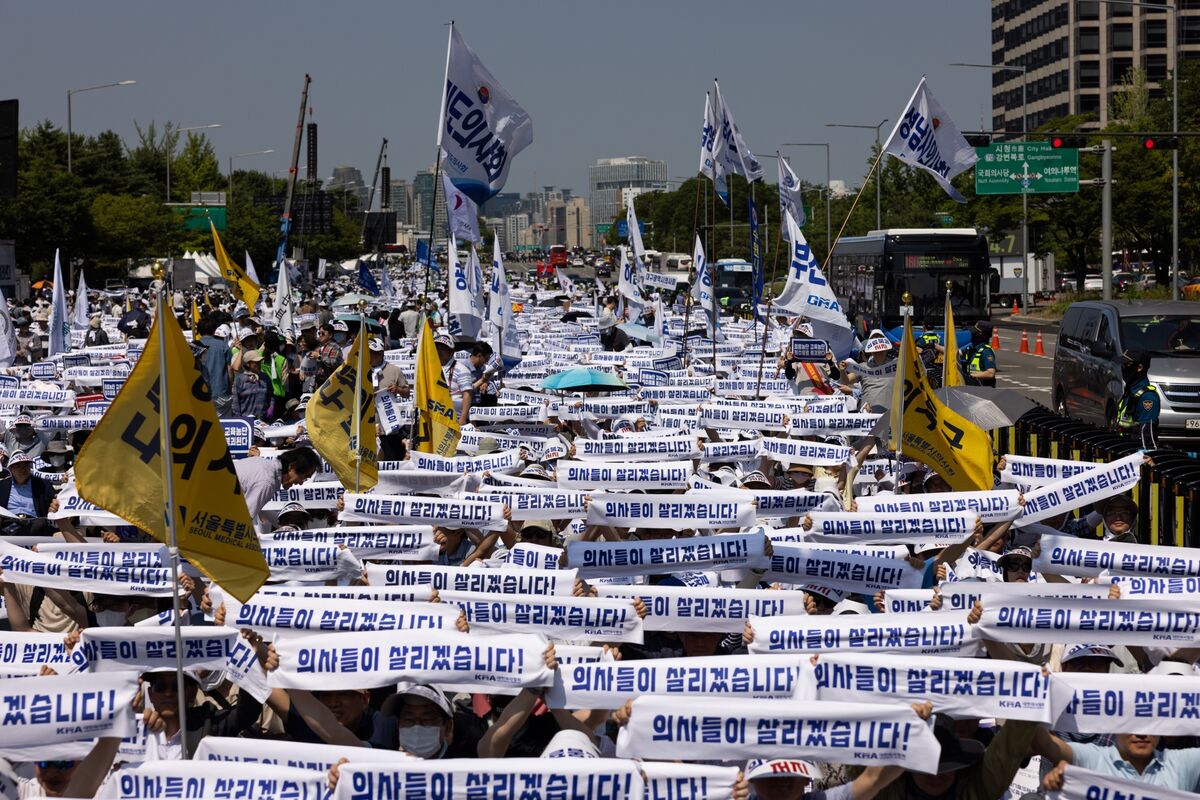
South Korean trainee doctors have ended their 18-month walkout, returning to hospitals and alleviating the severe strain on the nation's healthcare system caused by operational backlogs and staff shortages. The protest, involving over 10,000 medical professionals, opposed the government's plan to double medical school admissions by 2035 to address a chronic doctor shortage. This resolution is expected to significantly improve healthcare service delivery and operational stability.
The conclusion of the 18-month walkout by over 10,000 South Korean trainee doctors marks a significant de-escalation of a major disruption to the nation's healthcare system. The strike, initiated in February 2024 to protest a government plan to significantly increase medical school admissions, had caused severe operational strain, leading to short-staffed operating rooms, postponed procedures, and a growing backlog of patients. The return of these doctors is expected to restore operational stability to hospitals, a development reflected in the strongly positive sentiment score of 0.6. While the immediate crisis is resolved, the underlying policy conflict between the government and medical professionals over addressing a chronic doctor shortage remains a key regulatory and political theme. The resolution provides immediate relief, but the long-term structural issues that sparked the protest have not been fully settled, implying potential for future policy-driven volatility within the healthcare sector.
AI-powered research, real-time alerts, and portfolio analytics for institutional investors.
Request DemoOverall Sentiment
strongly positive
Sentiment Score
0.60
