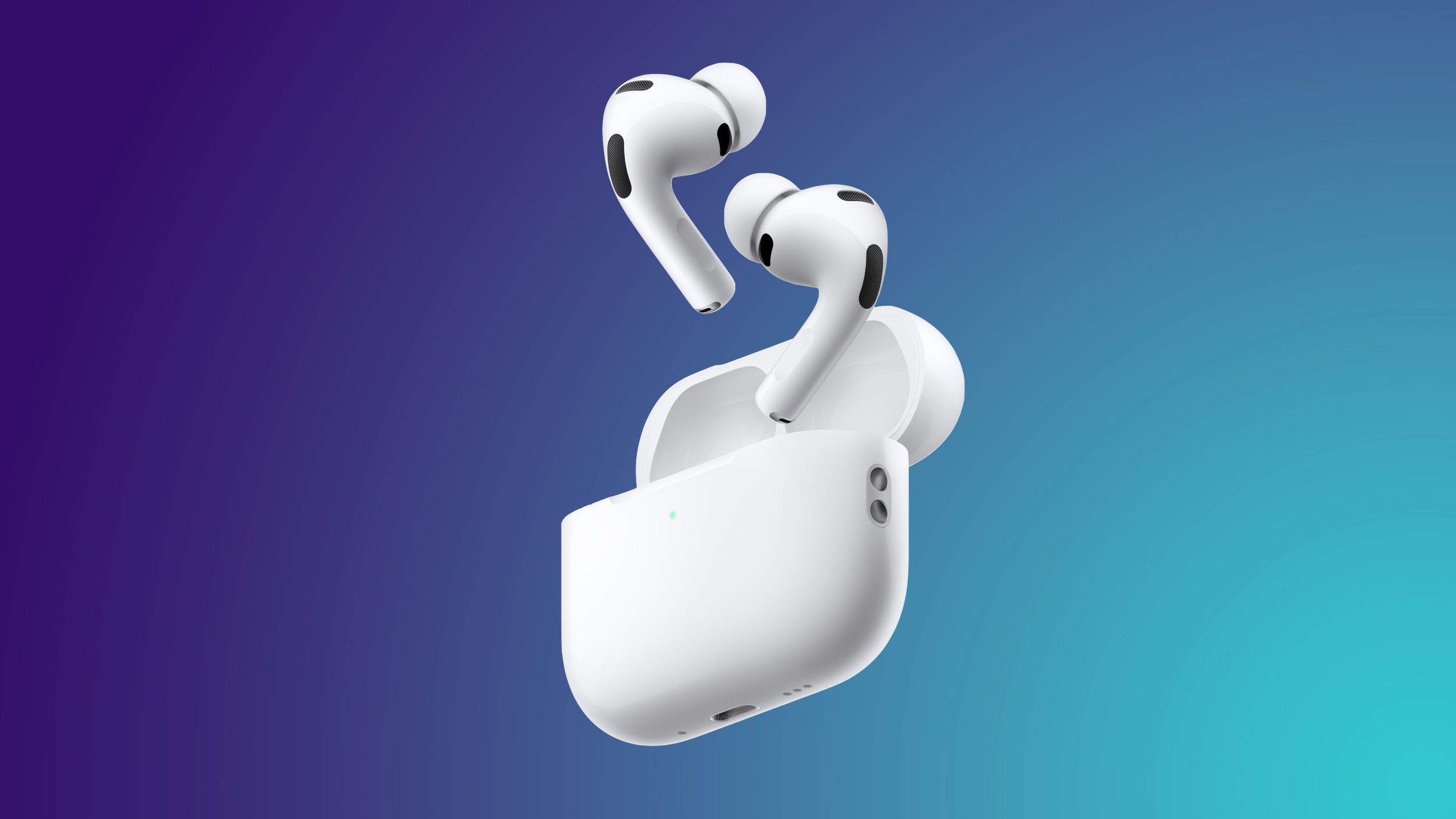
Users of the recently launched AirPods Pro 3 report persistent static/crackling, intermittent high‑pitched whistling (often with Active Noise Cancellation enabled), and latency/sync problems when watching video. Apple released firmware 8B25 in November and 8B30 on December 10, but user feedback indicates the noise and sync issues remain and some replacement units exhibit the same faults; release notes cite only generic 'bug fixes and other improvements.' The unresolved quality issues create reputational risk and potential additional service/return costs for Apple, though the article provides no direct sales or financial figures.
Market structure: This is a narrow, product-level reputational hit to AAPL's earbuds franchise with asymmetric winners — premium audio rivals (SONY) and ruggedized third-party maker gains (Samsung/Anker ecosystem) could capture 1–3 p.p. of wearable share in the next 6–12 months if complaints scale. Suppliers that lean on replacement volume (Luxshare, Goertek) face mix and warranty cost pressure; services revenue and iPhone stickiness blunt long-term damage, limiting AAPL's pricing power loss to a mid-single-digit revenue impact scenario.
Risk assessment: Tail risks include a targeted recall or class-action (low probability ~5–10% in 3 months) that could cost Apple $1–3B in replacements/repairs and lift implied volatility; an operational firmware fix reduces fallout quickly (high-probability within 1–3 months). Hidden dependencies: replacement cadence strains contract-manufacturers and reverse-logistics; elevated warranty claims could compress supplier margins before Apple absorbs costs. Key catalysts: Apple firmware changelog, official recall notice, and aggregate complaint metrics from Amazon/Apple reviews over the next 30–90 days.
Trade implications: Near-term tactical hedge: buy 6–8 week AAPL put spreads sized to protect 1% portfolio exposure; target cost ~0.2–0.5% portfolio. Relative-value: go long SONY (12-month horizon, 1–3% position) versus short AAPL (1–2% position) to capture potential share shift; consider small long positions in audio component makers (CRUS) only if firmware points to hardware IC issues. Monitor IV: initiate options hedges if AAPL IV rises >20% vs 30‑day average.
Contrarian angles: The market often overstates transient product bugs — historical parallels (minor AirPods recalls/firmware bugs) show quick remediation and demand rebound within 1–2 quarters, making deep AAPL selloffs (>8–10%) a buying opportunity. Consensus misses reseller aftermarket elasticity — consumers often accept replacements, limiting long-term unit loss to <5% annually. Unintended consequence: aggressive shorting could be painful if Apple issues an expedited firmware fix within 2–4 weeks or offers free replacements, capping downside.
AI-powered research, real-time alerts, and portfolio analytics for institutional investors.
Request DemoOverall Sentiment
mildly negative
Sentiment Score
-0.30
Ticker Sentiment
