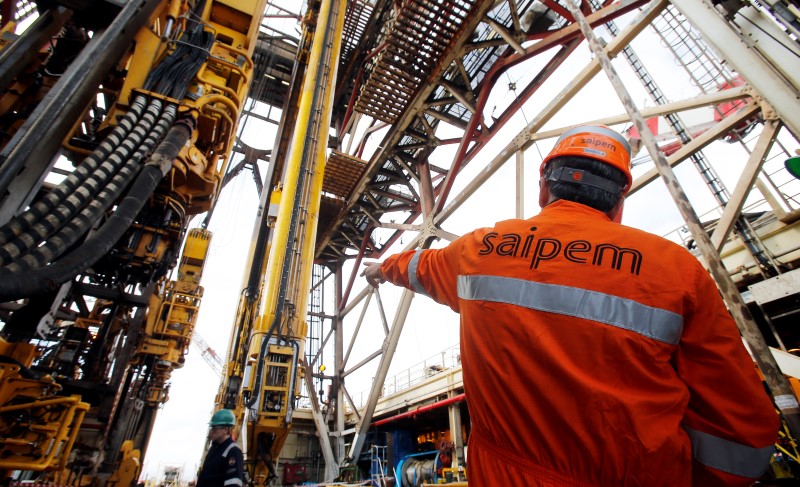
BNP Paribas reinstated coverage on Saipem and Subsea 7 after the planned merger cleared Brazil’s CADE antitrust hurdle, shifting completion from “possible” to “pending” with a low risk of delays; the firm expects closing in 2H 2026. BNP rated Saipem “outperform” with a €5.3 target and Subsea 7 “neutral” with a 375 NOK target, citing merger synergies potentially exceeding guidance by 5%–12% of 2027–2028 EBITDA. The broker estimates ~40% upside for the combined Saipem 7 entity versus current valuations, while noting a more cautious oil-price outlook after the U.S.–Iran ceasefire.
The market is no longer trading this as a binary antitrust story; the bigger mechanism is probability-weighted rerating of a multi-year industrial combination. Because closing is still far out, most of the move should be viewed as multiple expansion on reduced deal risk, not a near-term earnings event. That makes the upside less linear from here unless the next approval milestone meaningfully tightens the close window or management gives cleaner math on synergy capture and deleveraging.
The second-order winners are the adjacent offshore ecosystem: subsea service names, vessel owners, and engineering suppliers with tight capacity should see firmer pricing if a larger combined buyer becomes more disciplined on procurement. Think relative beneficiaries in the offshore capex stack such as FTI, TDW, OII, and NOV; the real asset of the merger may be a better negotiating anchor for the sector, not just the combined company itself. The losers are E&Ps and offshore wind customers if higher scale translates into better pricing power and fewer alternatives in niche deepwater work.
Contrarian risk: the market is underpricing integration drag and the possibility that divestments happen at suboptimal valuations. The synergy estimate is the easy part; the hard part is preserving project execution, working capital discipline, and backlog quality while the merger drags on for quarters. If Brent weakens further or offshore spend softens into 2026, the “pricing power” argument will compress quickly and the stock could give back a large share of this rerating.
BNPQY is only a marginal winner from advisory/financing optics; the fee impact is too small to matter unless it books additional transaction work. I would not stretch for a trade in TGT or other unrelated names.
AI-powered research, real-time alerts, and portfolio analytics for institutional investors.
Request DemoOverall Sentiment
mildly positive
Sentiment Score
0.35
Ticker Sentiment
