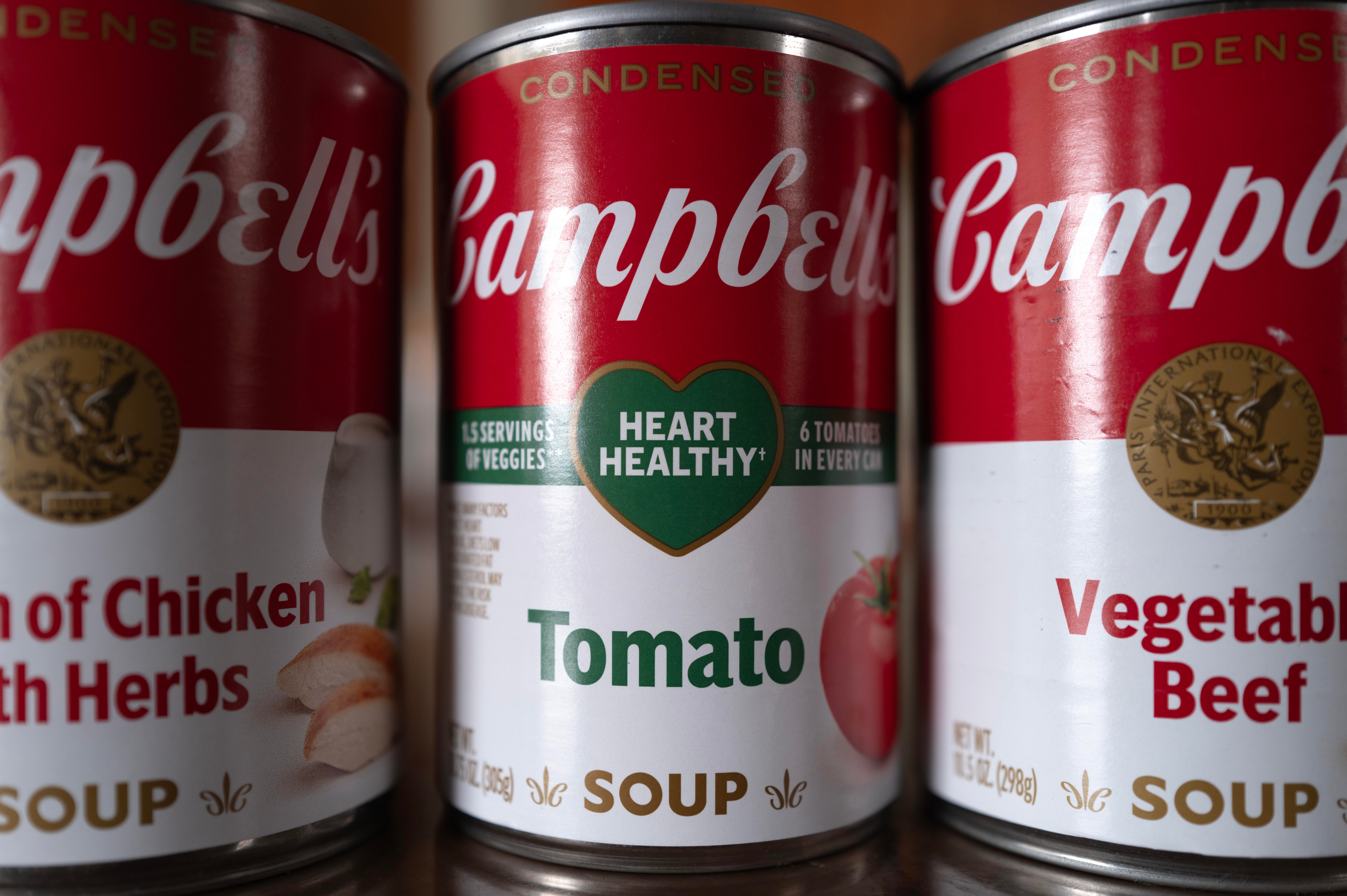
A former Campbell Soup cybersecurity analyst filed a lawsuit alleging a November 2024 meeting in which a Campbell executive, identified as Martin Bally (listed as VP and chief information security officer), made racist remarks about Indian workers and called the company’s products food for “poor people”; the meeting was reportedly recorded and the plaintiff alleges he was terminated weeks after reporting the incident. Campbell has placed the executive on temporary leave and launched an internal investigation, while the Florida Attorney General’s consumer protection division said it is probing product quality; the suit seeks emotional, reputational and economic damages plus fees. The situation poses reputational and legal risk that could pressure short-term investor sentiment and invite regulatory scrutiny, though no financial figures or direct operational impacts have been disclosed.
Market structure: Expect near-term share-pressure on CPB with incremental demand leakage to direct packaged-food peers (GIS, KHC, K) and private-label channels; a 3–8% transitory volume shift over 1–3 months is plausible if retailers or consumers respond. Credit spreads on CPB could widen 10–30bps if legal headlines persist; IG bond holders should watch covenant chatter. FX and commodity inputs (commodities: wheat, corn) are unlikely to move materially absent a broader recall or supply disruption.
Risk assessment: Tail scenarios include a multi-state regulatory expansion or class-action that costs $50–300m and drives a 10–20% equity drawdown within 3–12 months; operational risk (IT/security attrition) could add another 1–3% margin hit if remediation is heavy. Immediate (days) risk is sentiment-driven volatility; short-term (weeks–months) depends on investigation milestones; long-term (quarters–years) hinges on brand rehabilitation and executive turnover. Hidden risks: D&O insurance repricing, supplier/retailer contract renegotiation, and employee attrition in security functions.
Trade implications: Tactical: use options to express downside while limiting premium pain — buy 3-month 25-delta CPB puts or a -5%/-15% put spread sized to 1–2% of portfolio risk; target 8–15% profit or cut at 4% adverse move. Relative value: pair long GIS (+1.5% weight) vs short CPB (-1.5%) for 3–6 months targeting 5% relative outperformance. Rotate 1–3% from CPB into GIS/KHC/PEP for defensive stability.
Contrarian angles: The market may overprice reputational damage if no operational impairment emerges — a clearance within 30–90 days could trigger a 6–12% mean-reversion rally. Conversely, consensus underestimates insurer and supply-chain knock-on effects that manifest over 6–12 months. Historical parallels (governance scandals in staples) show 60–180 day recovery if product quality is unaffected; therefore hedge timing matters.
AI-powered research, real-time alerts, and portfolio analytics for institutional investors.
Request DemoOverall Sentiment
moderately negative
Sentiment Score
-0.35
Ticker Sentiment
