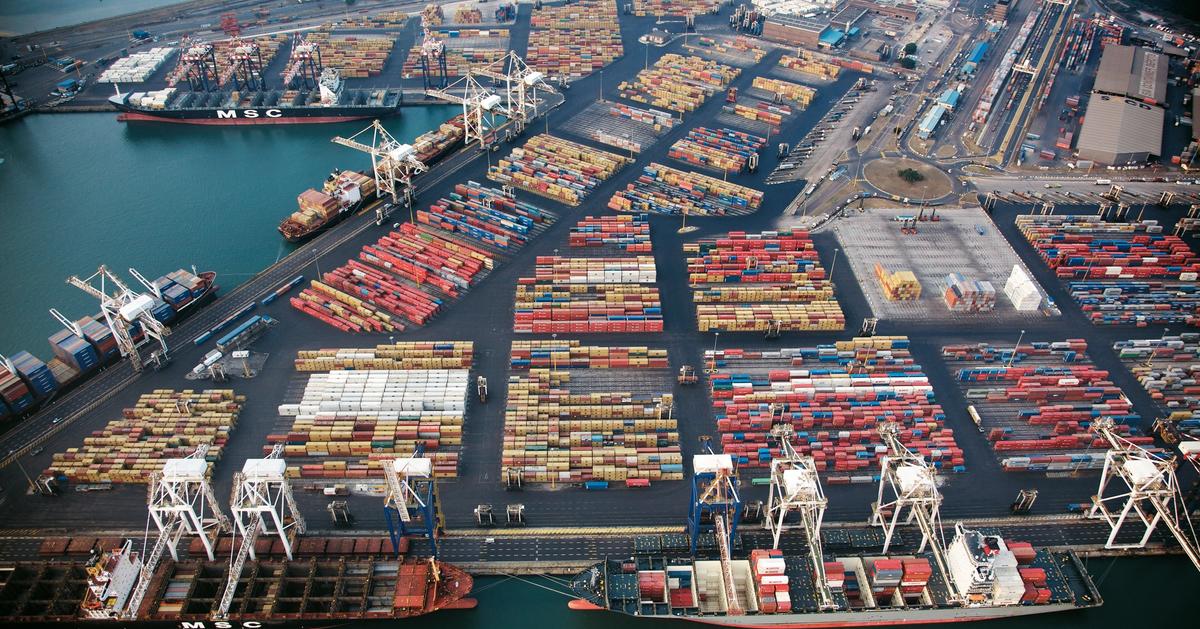
China announced it will remove tariffs for 53 African countries with diplomatic ties to Beijing, a move seen as a counterpoint to potential US tariffs on African nations and uncertainty surrounding the future of the African Growth and Opportunity Act. The initiative, excluding Eswatini, expands on a previous zero-tariff program for the world's least-developed countries and underscores China's call for resolving trade disputes through consultation, particularly addressing the United States.
Beijing's announcement to remove tariffs for 53 African nations with which it holds diplomatic relations marks a significant development in Sino-African trade policy and serves as a clear strategic countermeasure amidst ongoing US-China trade tensions. This initiative, which notably excludes Eswatini due to its diplomatic ties with Taiwan, expands upon a previous zero-tariff program for 43 least-developed countries, underscoring China's deepening economic engagement with the continent, where it is already the largest bilateral trade partner. The move is particularly salient given the uncertainty surrounding the future of the US African Growth and Opportunity Act (AGOA), set to expire in September, and contrasts sharply with potential US tariffs on African goods. By positioning this as a call for resolving trade disputes through consultation, specifically urging the United States to reconsider its tariff regime, China aims to reinforce its influence and present itself as a champion of multilateral trade, particularly for emerging markets in Africa. This policy shift is expected to offer preferential market access to a broad range of African countries, potentially boosting their export sectors.
AI-powered research, real-time alerts, and portfolio analytics for institutional investors.
Request DemoOverall Sentiment
moderately positive
Sentiment Score
0.50
