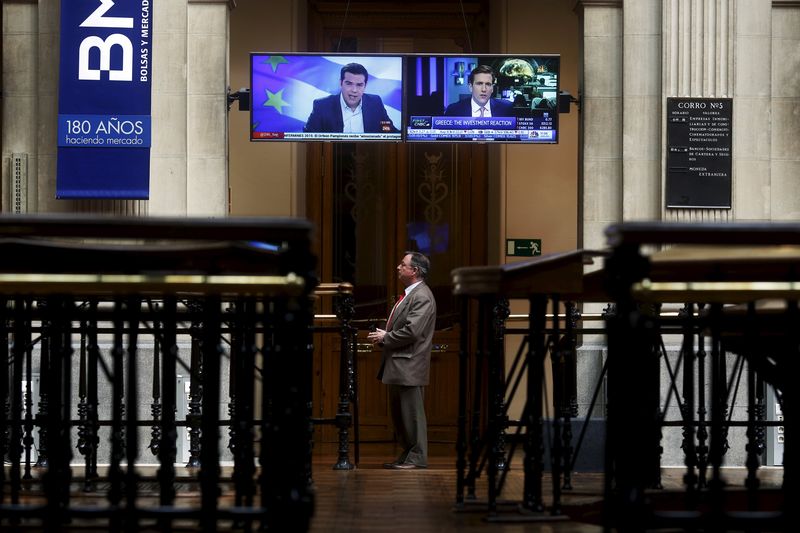
Crude oil fell 5.35% to $91.43 a barrel and August Brent dropped 5.10% to $95.10, while gold futures rose 1.03% to $4,603.50 amid easing concerns around a potential Hormuz reopening. Spain’s IBEX 35 climbed 2.24% to a 1-month high, led by BBVA (+4.12%), Santander (+4.07%) and IAG (+3.74%), while Repsol fell 2.29%. The euro was steady at 1.16 versus the dollar, and the US Dollar Index Futures slipped 0.25% to 98.93.
The immediate read-through is not simply “higher oil helps banks and hurts an integrated producer”; it is that the market is re-pricing Iberia as a net beneficiary of disinflation in the euro area combined with a potential risk-off unwind in energy-sensitive sectors. BBVA and SAN should gain more from this setup than peers because their earnings are leveraged to a steeper curve and lower funding stress, while their domestic loan books are less exposed to a direct terms-of-trade shock than southern European corporates tied to imported energy costs.
Repsol’s weakness is the cleaner tell: the move likely reflects investors fading near-term refining and upstream beta as a geopolitical premium gets priced out, not a thesis shift on medium-term cash flow. If crude stays elevated but volatility compresses, the market may rotate from producers into balance-sheet-sensitive financials and transport beneficiaries; that creates a short-window relative-value opportunity because energy equities typically lag the first leg of an oil spike reversal by 1-3 sessions, but can outperform again if the commodity remains above the marginal break-even for longer than two weeks.
The bigger second-order effect is in travel: lower oil removes a margin headwind for airlines and leisure names, but only if FX remains stable and risk sentiment does not deteriorate. That matters for IAG more than for domestic defensives, since fuel is a direct input and European demand is still elastic to ticket pricing; if Brent holds below the recent spike for several trading days, consensus will likely have to revise 2H margin assumptions upward.
Contrarian angle: the market may be underestimating how quickly “war premium fade” can snap back if maritime security headlines re-escalate. In that case, the recent move is not a structural bearish signal for energy but a setup for a fast volatility rebound, which argues for expressing the view with options rather than outright shorts.
AI-powered research, real-time alerts, and portfolio analytics for institutional investors.
Request DemoOverall Sentiment
mildly positive
Sentiment Score
0.15
Ticker Sentiment
