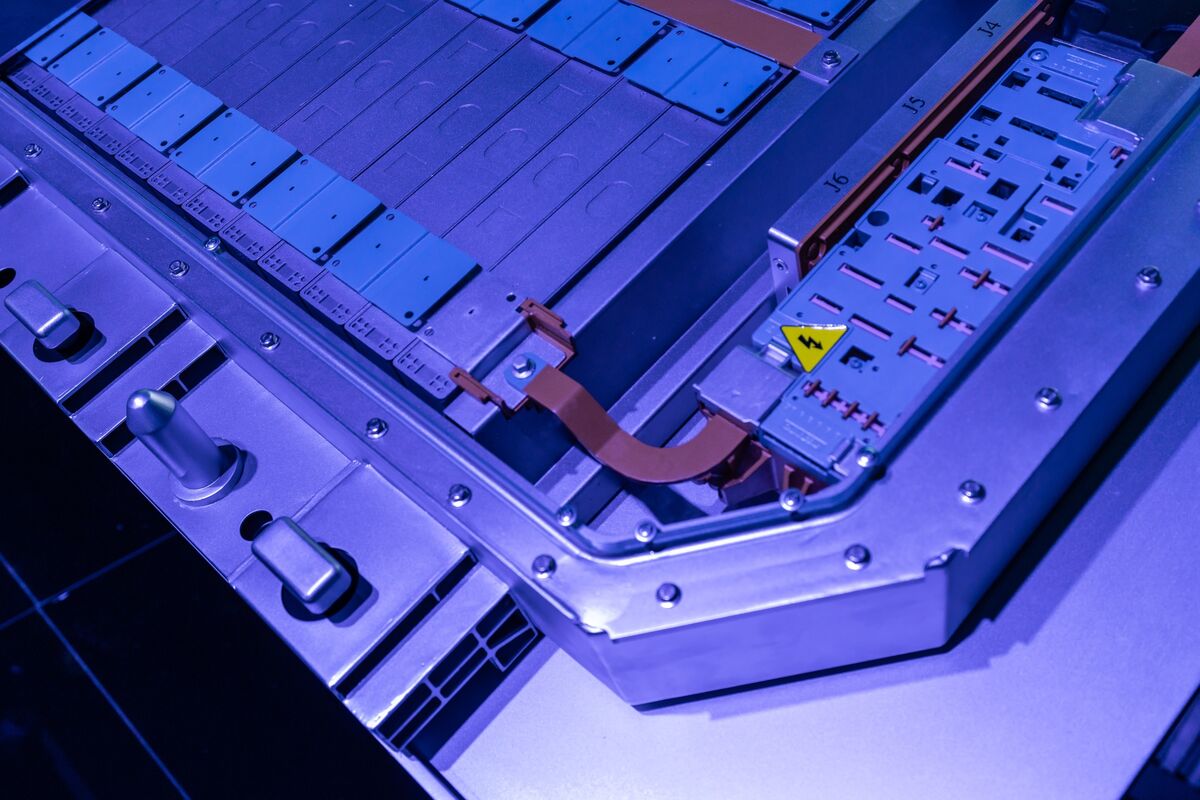
CATL signed a three-year sodium-ion battery supply deal with Beijing HyperStrong Technology covering 60 GWh, marking its first strategic partnership in sodium-based technology. The agreement expands CATL’s storage footprint and supports next-generation battery adoption, though the value was not disclosed. The news is positive for CATL’s long-term technology positioning but is unlikely to materially move the broader market.
This is less about one battery contract and more about validation of a second chemistries race inside stationary storage. If sodium-ion starts clearing real utility-scale procurement, the cost curve implications are most negative for lithium carbonate, LFP cells, and any OEM whose valuation assumes battery input scarcity stays supportive. The first-order beneficiary is CATL, but the second-order winner is any downstream integrator that can source cheaper cells and bid more aggressively on grid projects without sacrificing margins.
The market is likely underestimating the signaling value of a multi-year volume commitment here. A 60 GWh framework suggests the chemistry has moved from lab/PR to manufacturable supply, which matters for capital allocation at both the cell and system level over the next 6-18 months. That does not mean near-term displacement is large; sodium-ion remains a use-case solution for lower energy density, lower-cost, non-premium applications, so the adoption path is a gradual share shift rather than a sudden substitution.
The biggest losers are incumbent lithium-exposed names if this becomes the template for future grid-storage wins. The real risk is that investors extrapolate too quickly into EVs, where sodium-ion’s lower energy density is still a hard constraint and where the commercial mix will likely remain limited for years. The contrarian read is that this may actually strengthen CATL's pricing power by widening its product stack, allowing it to defend share across more end markets while competitors stay boxed into a single chemistry.
Catalysts over the next few quarters: follow-on sodium announcements from other integrators, evidence of bankability in project finance, and any move in lithium spot prices or LFP cell pricing that reflects substitution pressure. A reversal would come from production bottlenecks, disappointing cycle-life data in field deployments, or policy shifts that favor domestic lithium supply chains over alternative chemistries. Near term, this is a story for multi-month positioning, not a one-day trade.
AI-powered research, real-time alerts, and portfolio analytics for institutional investors.
Request DemoOverall Sentiment
mildly positive
Sentiment Score
0.45
