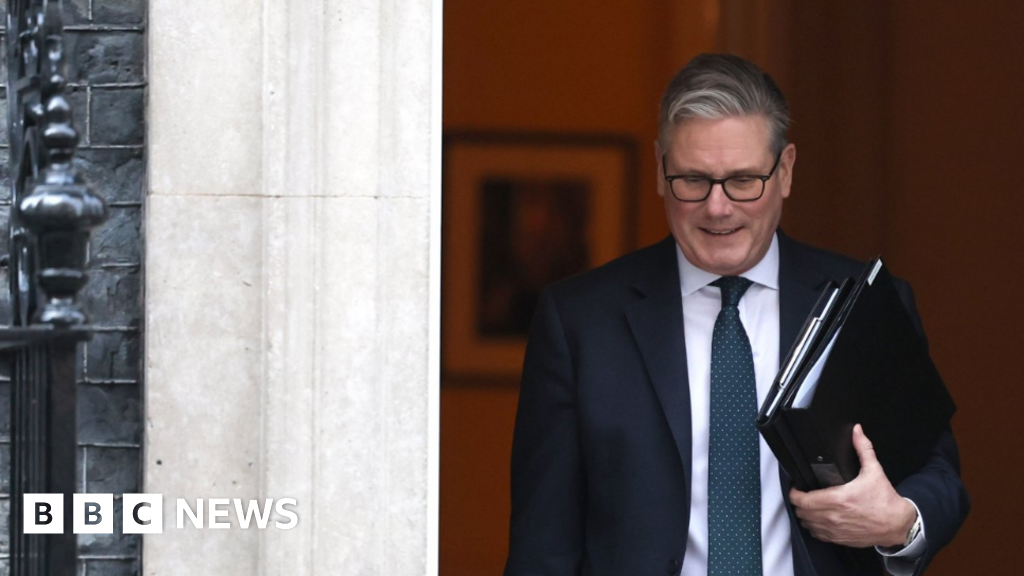
Prime Minister Sir Keir Starmer told Parliament the UK refused US requests to use British bases for the initial US-Israeli strikes that killed Iran's Supreme Leader Ayatollah Ali Khamenei, but subsequently authorised British bases for limited defensive strikes after Iran launched widespread missile and drone retaliation that he said threatened British people and interests and included a drone attack on RAF Akrotiri. The escalation heightens regional security risk and could pressure oil markets and defence-sector assets, while signalling London's cautious, legally grounded approach and limited operational involvement in coalition offensive actions.
Market structure: Near-term winners are defense contractors (US: LMT, RTX; UK: BA.L) and commodity producers (XOM, CVX) as risk premiums on Middle East conflict lift defense spend and oil price realizations; losers include airlines (AAL, IAG.L), regional shippers and insurers which face higher war-risk premiums that can compress margins. Pricing power shifts to integrated oil majors and maritime insurers; expect freight/insurance-driven cost pass-through into energy and freight-sensitive sectors. Cross-asset: expect safe‑haven flows into USD, gold (GLD) and sovereign bonds (10y yields down ~10–30bp intraday), with equity and FX volatility spiking 3–7% in days.
Risk assessment: Tail risk scenarios include Strait of Hormuz closure for >2 weeks (Brent +$10–30, systemic shipping shock) or UK direct casualties prompting wider NATO engagement (GBP -3–6% vs USD); both are low-probability but high-impact. Time horizons: immediate (days) volatility spike; short-term (weeks–3 months) re-rating of defense and energy; long-term (6–24 months) potential higher baseline defense budgets and persistent insurance costs. Hidden dependencies: shipping insurance, OPEC spare capacity decisions, and UK domestic politics can amplify markets; catalysts include Iranian follow-ups, OPEC+ cuts/increases, and leaked intelligence or parliamentary votes.
Trade implications: Favor tactical longs in prime defense (LMT, RTX) and energy (XOM/CVX) while shorting travel & regional shipping; use options to time convexity (3‑6 month call spreads on Brent/WTI and selected long-dated defense calls). Rotate into sovereign bonds and gold for ballast if escalation persists beyond 10 trading days; employ USD long or GBP short if UK involvement intensifies.
Contrarian angles: Consensus may overprice sustained oil shocks — historical tanker crises (2019) produced sharp but short-lived spikes; if OPEC+ offsets or route adjustments occur, oil could revert 10–25% in 4–8 weeks, hurting leveraged oil-call positions. Consider pair trades to express this view (long defense, short pure exploration/service oil names) and size volatility trades to sell premium after initial 3–6 week repricing.
AI-powered research, real-time alerts, and portfolio analytics for institutional investors.
Request TrialOverall Sentiment
moderately negative
Sentiment Score
-0.45
