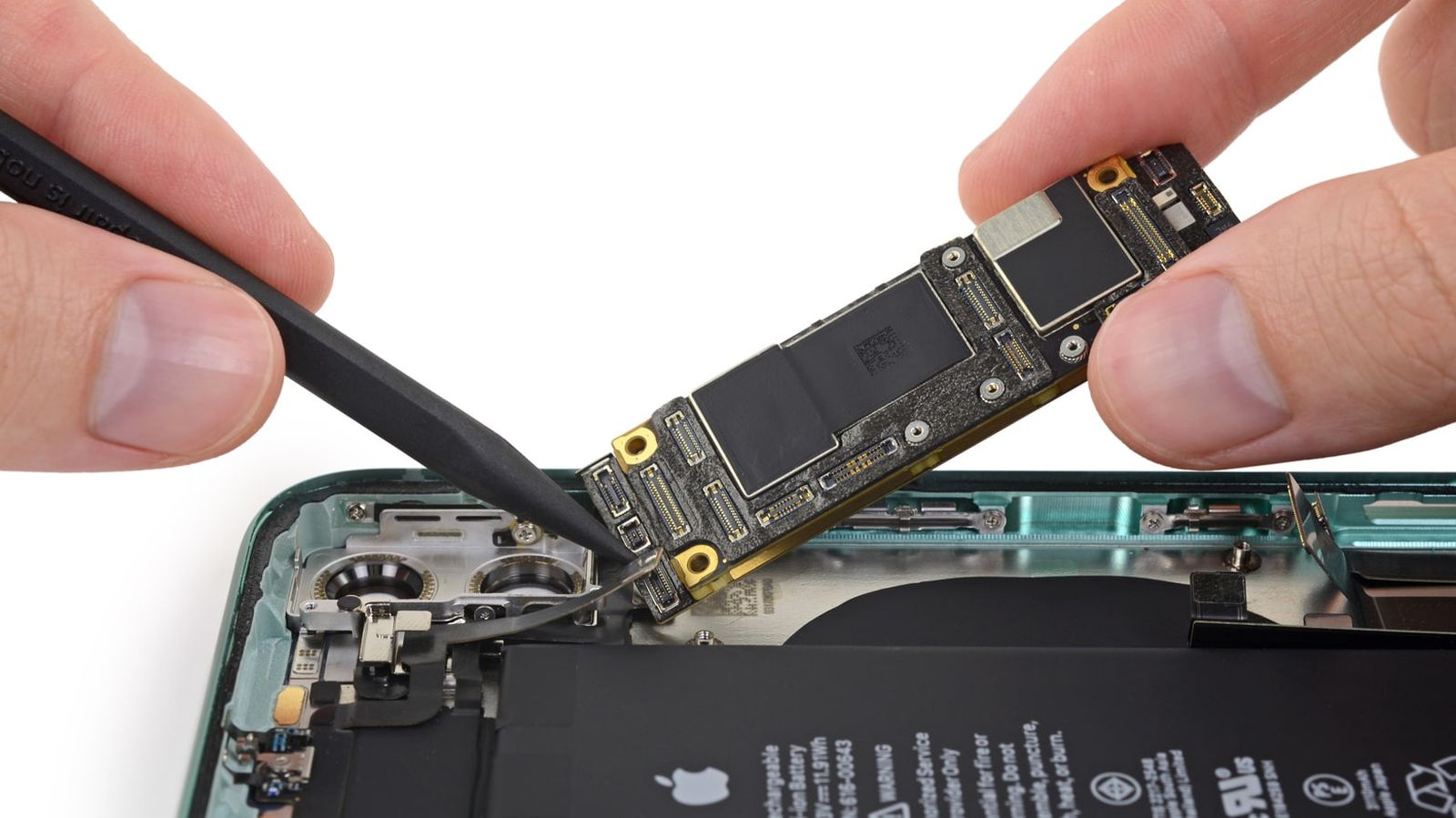
Counterpoint Research cut its 2026 global smartphone shipment forecast to a 2.1% decline (from a prior 0.45% growth) after a memory shortage—caused by chipmakers prioritizing advanced AI-server DRAM—pushed component costs up 10–25% (20–30% for entry-level devices), forcing margin pressure on lower-cost Chinese brands like Honor and Oppo. The firm says Apple and Samsung, with stronger supply-chain clout and cash reserves, are best positioned to absorb or manage higher DRAM costs, while others may downgrade specs or shrink memory to protect margins, and average smartphone prices could rise about 6.9% next year as costs are passed to consumers or buyers are steered to premium models. Because Counterpoint expects supply constraints to persist through 2026, the outlook implies a market mix shift toward premium players, widening margin dispersion among OEMs and a dampening of overall volume growth.
Counterpoint Research lowered its 2026 global smartphone shipment forecast to a 2.1% decline from a prior 0.45% growth projection after a memory shortage forced component cost increases of roughly 10%–25%, with entry-level device memory up 20%–30% since early 2025. The firm attributes the shortage to chipmakers prioritizing advanced DRAM for AI servers over the commodity DRAM used in smartphones, and expects supply constraints to persist through 2026.
Counterpoint identifies Apple and Samsung as best positioned to absorb or manage higher DRAM costs because of their supply-chain scale and cash reserves; senior analyst Yang Wang said competitors without that wiggle room will struggle to balance market share and margins. The note expects Apple to temporarily absorb higher DRAM costs without immediately raising retail prices, while lower‑margin Chinese brands such as Honor and Oppo face outsized pressure and may respond by downgrading specs or shipping devices with less memory.
At a market level, Counterpoint forecasts a roughly 6.9% rise in average smartphone prices as manufacturers either pass costs to consumers or shift buyers toward premium models, implying a mix shift to premium players, wider margin dispersion across OEMs, and volume headwinds for the industry through 2026. Key variables to monitor are DRAM allocation trends to AI servers, OEM pricing moves, ASPs, and sequential shipment updates.
AI-powered research, real-time alerts, and portfolio analytics for institutional investors.
Request DemoOverall Sentiment
moderately negative
Sentiment Score
-0.35
Ticker Sentiment
