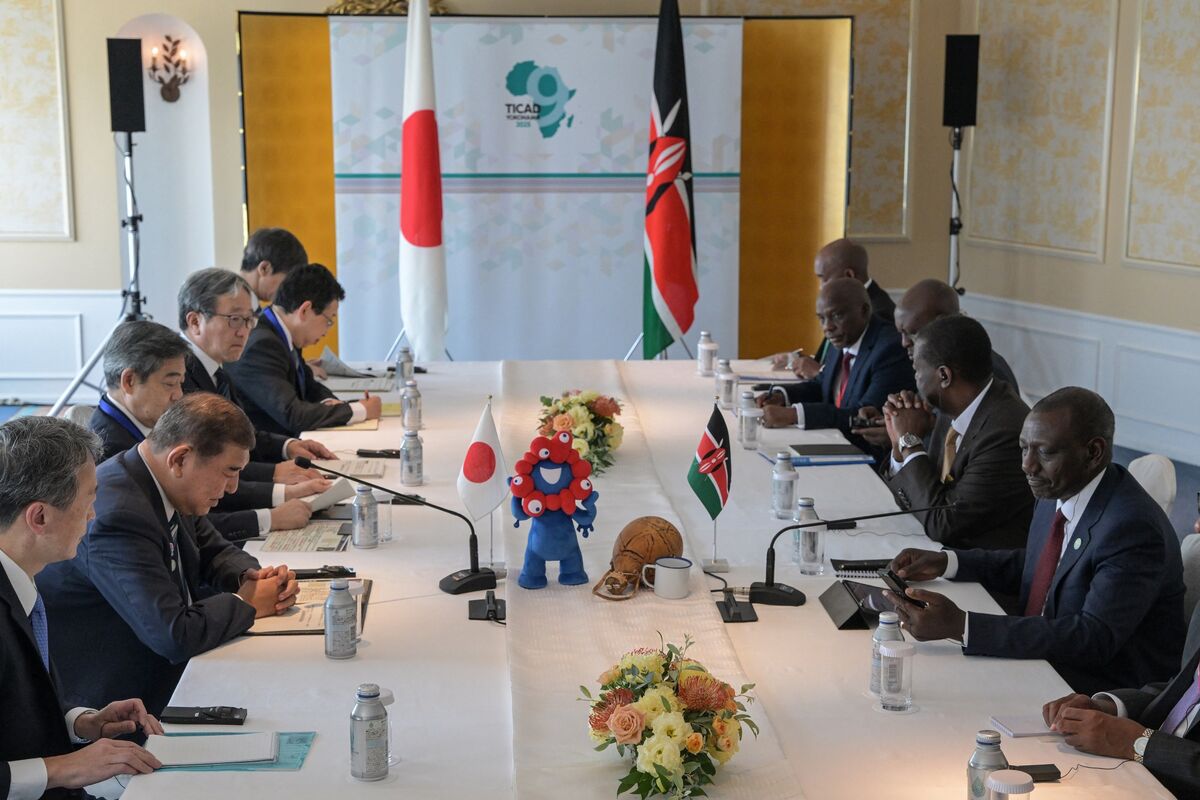
Japan has agreed to provide Kenya with ¥25 billion ($170 million) in yen-denominated funding, an amount notably smaller than Nairobi's previously stated expectations. This credit deal, announced by Japan's foreign ministry following a meeting between Kenyan President William Ruto and Japanese Prime Minister Shigeru Ishiba at the Tokyo International Conference on African Development, signals continued bilateral financial cooperation, albeit on a recalibrated scale.
Japan has agreed to provide Kenya with a yen-denominated loan facility of up to ¥25 billion ($170 million), a development that carries mixed implications for investors focused on emerging market sovereign debt. The most critical aspect of this agreement is that the amount is smaller than the Kenyan government had previously indicated it expected to secure. While the deal reaffirms continued bilateral financial cooperation and provides Kenya with needed funding, the reduced scale suggests a potential recalibration in lending terms or a more conservative assessment of Kenya's credit profile by Japan. This event directly impacts Kenya's fiscal planning and sovereign debt outlook. The lack of initially disclosed terms, such as interest rates and maturity, leaves a critical information gap for a complete risk assessment. For a nation managing its debt portfolio, a smaller-than-hoped-for concessional loan could imply a greater future reliance on more expensive commercial financing, placing further pressure on its budget.
AI-powered research, real-time alerts, and portfolio analytics for institutional investors.
Request DemoOverall Sentiment
mixed
Sentiment Score
0.00
