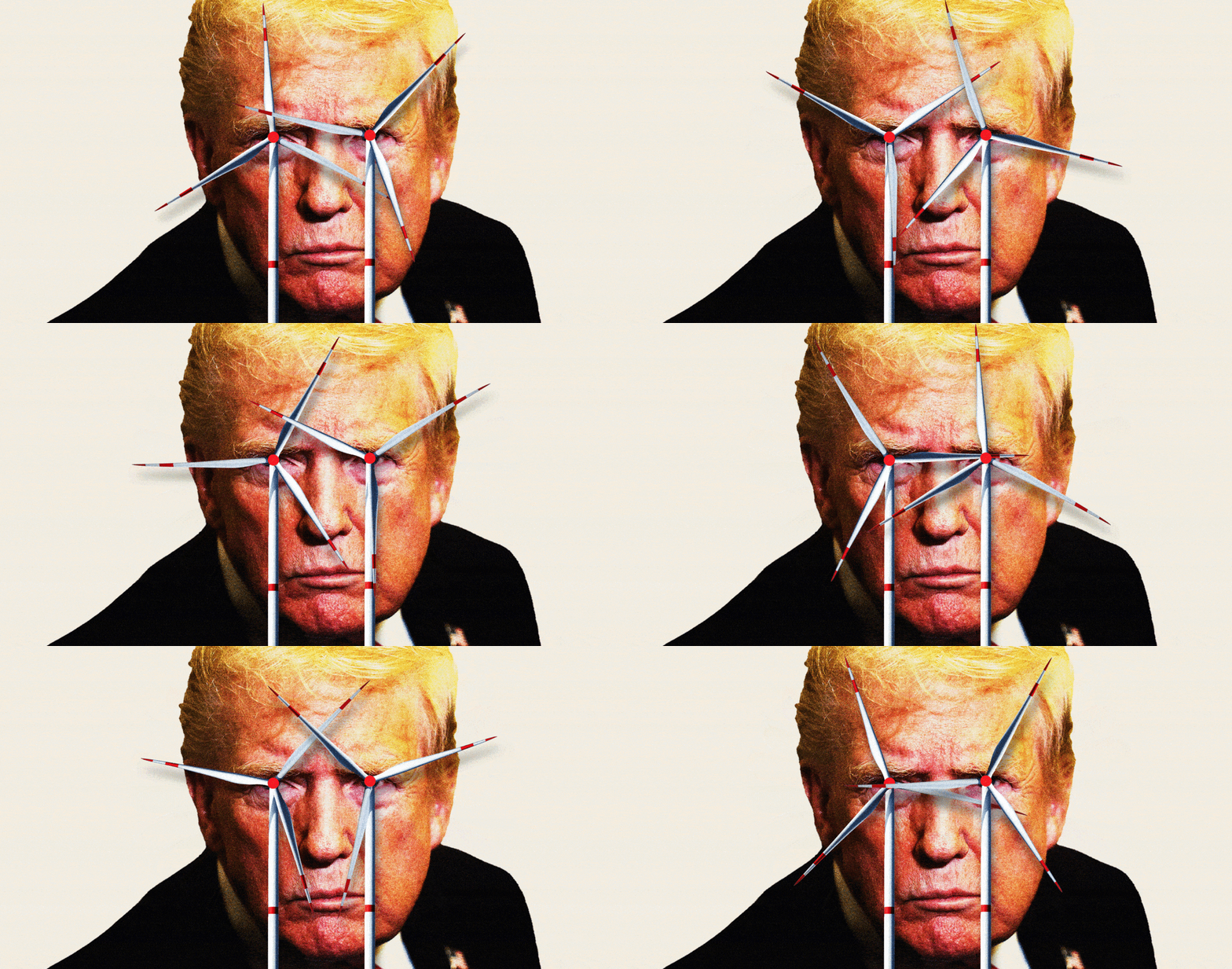
The administration ordered an immediate pause on all large-scale offshore wind projects under construction, halting leases on five Atlantic projects off Massachusetts, Virginia, Rhode Island and New York after the Defense Department flagged alleged national-security radar interference from turbine blades and towers. The Interior Department gave no timeline, drawing sharp criticism from industry and Democratic lawmakers who say the decision threatens thousands of jobs, would cut energy already being delivered (Vineyard Wind 1) enough to power roughly 400,000 homes, and would eliminate an estimated $3.7 billion in energy cost savings; the move follows a federal judge’s recent rejection of a January 2025 executive order to block wind projects.
Market structure: The immediate winners are incumbent fossil-fuel generators and regional gas suppliers (higher utilization of gas peakers in New England) and defense contractors who argue national-security spending; losers are offshore wind developers, specialized turbine suppliers and local suppliers to those projects. Expect near-term pricing power shift: regional power prices in New England could rise materially — I estimate Algonquin Citygate winter basis widening by $0.50–$1.00/MMBtu and ISO-NE day-ahead heat-rate-driven power up 10–25% if the pause lasts >3 months. Cross-asset: energy equities and commodity-linked names should outperform; Treasuries may see safe-haven flows while inflation expectations tick up modestly, pressuring real yields over quarters. Risk assessment: Tail risks include a permanent regulatory moratorium (very low prob but high impact → multi-billion write-downs and stranded assets) or legal reversal of the pause (fast recovery). Time horizons: immediate (days) equity volatility and contractor layoffs; short-term (weeks–months) capex deferrals and project renegotiations; long-term (1–3 years) slower offshore supply chain scale-up and higher system-level LCOE. Hidden dependencies: state RPS mandates and transmission upgrades can force utilities to buy expensive replacement capacity or pay penalties, amplifying margin pressure; catalysts include court rulings, DoD unclassified findings becoming public (30–90 days), and midterm election outcomes. Trade implications: Tactical trades favor long fossil generators and midstream (benefit from higher dispatch and volumes), and long defense contractors; avoid or short pure-play offshore names and their OEM suppliers. Use options to express skewed risk: buy calls on select beneficiaries and buy puts or short equity on exposed developers — size small (1–3% portfolio) with defined exits tied to regulatory news. Sector rotation: rotate from offshore renewables/asset owners into oil & gas E&P/midstream and defense for 3–12 month horizons. Contrarian angles: Consensus assumes prolonged industry damage, but courts and state governments have strong incentives to push projects forward — a legal reversal in 30–90 days could produce sharp rebounds (>30%) in oversold names. Also, capital likely shifts to onshore wind + storage and copper/lithium miners, creating relative winners overlooked today. Historical parallel: past regulatory pauses (e.g., on transmission or coal plant retirements) caused short severe drawdowns but eventual re-rating when economics reasserted; mispricings likely concentrated in diversified utilities (AGR, NEE) vs pure-play offshore suppliers.
AI-powered research, real-time alerts, and portfolio analytics for institutional investors.
Request DemoOverall Sentiment
strongly negative
Sentiment Score
-0.65
