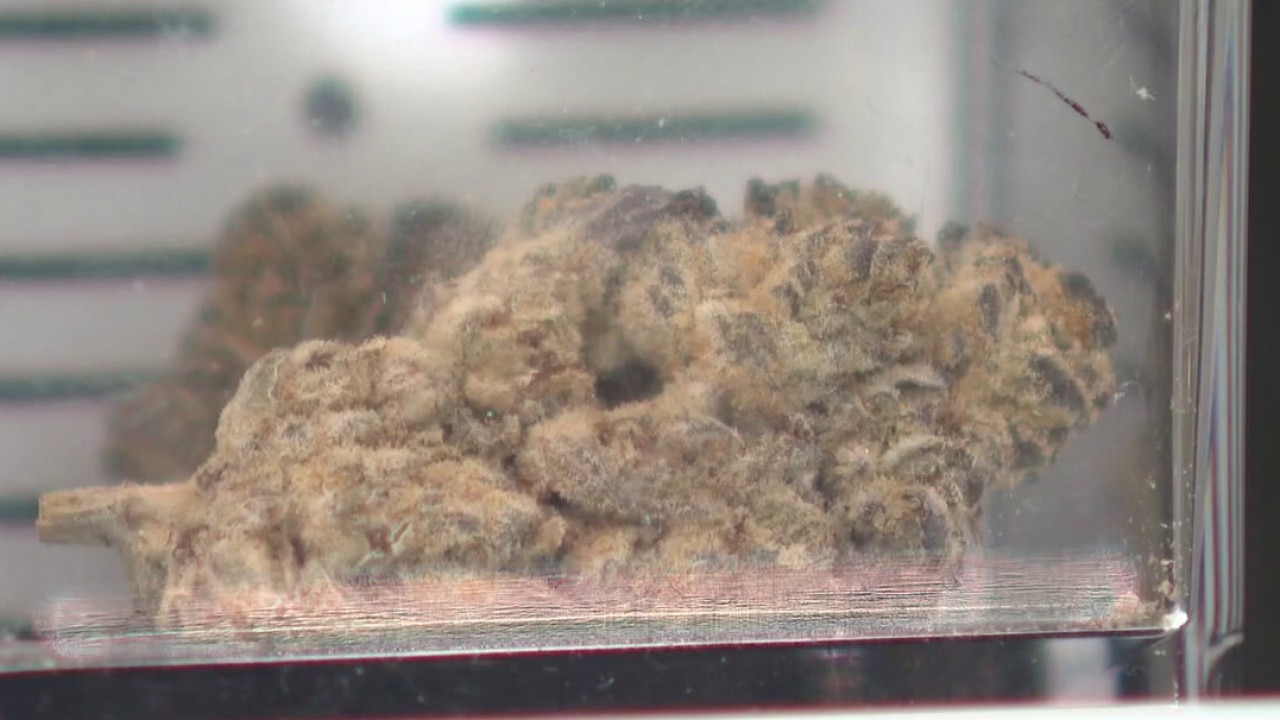
A Texas judge temporarily blocked the statewide ban on smokable THC products through April 24, preserving the current legal framework while a lawsuit proceeds. The ruling gives hemp businesses near-term relief after the ban took effect April 1, with plaintiffs arguing some firms derive up to 90% of profits from smokable products and could face higher licensing costs. A hearing is scheduled for April 23, one day before the restraining order expires.
This is less a headline about hemp demand than about regulatory optionality. A temporary block preserves the status quo for a fragile distribution ecosystem whose economics are highly concentrated in smokable formats; that means the near-term winner is not a broad cannabis complex but Texas-based operators with inventory, licenses, and retail footprints already sunk into this channel. The second-order effect is a near-term compression of forced exit risk: landlords, wholesalers, and local lenders tied to smoke-shop cash flow avoid immediate covenant stress, while black-market substitution is delayed rather than eliminated.
The key issue for investors is that legal uncertainty itself becomes a trading variable. If the state ultimately loses on procedure, the policy path likely shifts to slower enforcement and more granular testing standards, which is manageable for larger operators but punitive for thinly capitalized shops that cannot absorb compliance costs or retool product mix. If the state wins, the real damage is not just lost sales for hemp retailers; it is a reset of consumer behavior toward illicit channels, which can permanently impair licensed brands that relied on repeat purchases and low-friction retail conversion.
The most interesting angle is that this does not read like a binary cannabis policy trade; it is a micro-cap survivability event. Businesses with heavy exposure to smokable hemp, high rent-to-sales ratios, and limited balance sheet flexibility face a 30-60 day liquidity overhang if the TRO is lifted, while diversified convenience/retail chains with adjacent tobacco or beverage categories can absorb the disruption. The market is likely underpricing how quickly licensing fee hikes and compliance frictions can cull smaller competitors even if the ban remains blocked.
Consensus is probably too focused on the “ban vs no ban” binary and not enough on channel migration. The most durable outcome may be a market-share transfer from independent smoke shops to better-capitalized multi-category retailers, plus an eventual normalization of THC derivatives through more regulated product forms. That favors operators with compliance infrastructure and distribution scale, not necessarily the loudest hemp beneficiaries today.
AI-powered research, real-time alerts, and portfolio analytics for institutional investors.
Request DemoOverall Sentiment
neutral
Sentiment Score
0.15
