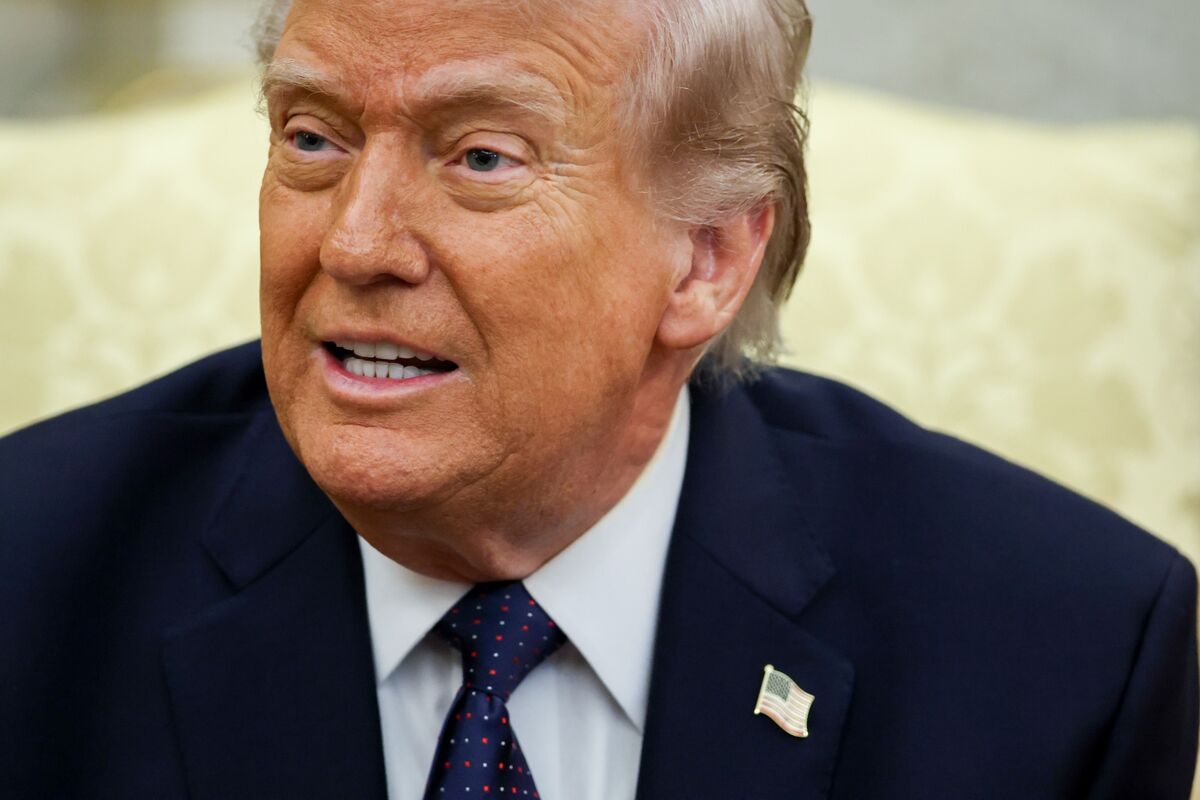
Strait of Hormuz is reported as effectively closed to oil tankers and President Trump said he is demanding other countries help defend the waterway. The development raises near-term risk of tighter global oil supply and upward pressure on energy prices, increasing volatility for energy and shipping sectors with potential spillover to broader markets.
A disruption at a strategic seaborne chokepoint has predictable mechanical effects: voyage distances for crude and product tankers rise 20–30% when re-routing around Africa, which translates into higher time-charter demand and a short-term spike in freight costs equivalent to roughly $1–3/bbl delivered to Asia. Expect crude quality and location premia to reprice — Brent/upstream Atlantic barrels widen vs inland WTI by mid-single to low-double digits within 2–8 weeks as arbitrage flows slow and storage-led contango deepens.
Operational and financial second-order effects amplify over months. War-risk insurance and P&I premiums typically reprice within 1–4 weeks and remain elevated for quarters, raising marginal cash costs for traders and refiners that cannot absorb the spread; integrated refiners with long domestic feedstock (PXD/CLB-exposed midstream for US exports) gain versus refiners dependent on seaborne heavy sour crude. Defense logistics and short-notice naval deployments create lumpy procurement and O&M revenue opportunities for naval suppliers and ISR contractors, but these are front-loaded (weeks–months) rather than multi-year structural revenue streams.
Catalysts that will flip the trade are binary and time-sensitive: a credible diplomatic de-escalation can erase elevated risk premia in 2–6 weeks, while a kinetic escalation (attacks on commercial tonnage) can send Brent-equivalent moves of 30–60% within days and sustain higher freight for months. Market complacency on insurance and voyage-cost pass-through is the biggest underpriced tail risk; monitor VLCC/Suezmax time-charter rates, marine war-risk indices, and Brent/WTI spread compressions as actionable real-time signals.
AI-powered research, real-time alerts, and portfolio analytics for institutional investors.
Overall Sentiment
neutral
Sentiment Score
0.00
