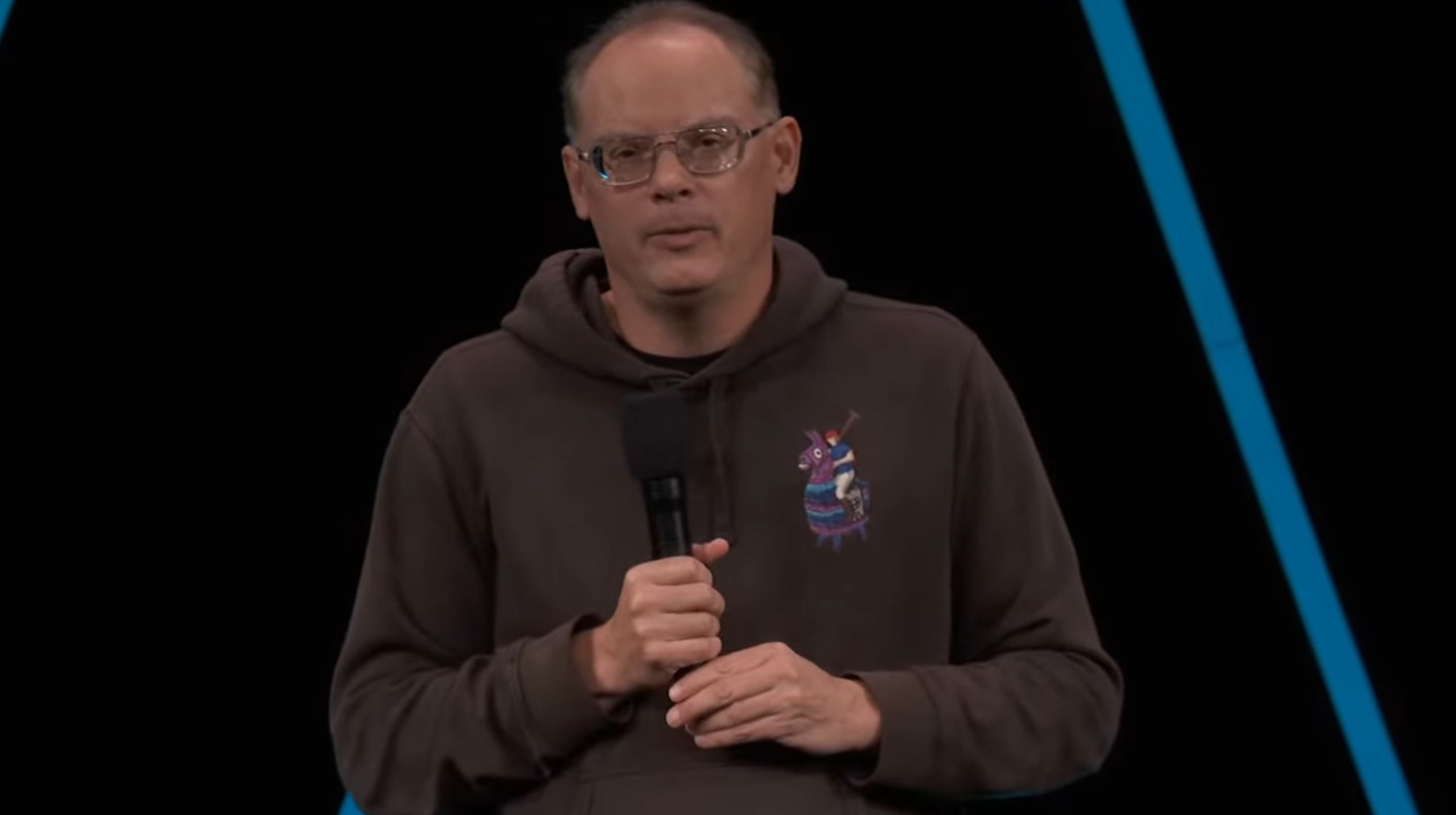
Epic Games CEO Tim Sweeney criticized AI-generated content disclosures on game storefronts, arguing such labels are inappropriate for games because generative AI will be involved in most future production; the Epic Games Store currently does not display these disclosures while competitors like Steam do. While Sweeney acknowledged ongoing rights and licensing concerns around generative models, his stance intensifies a debate that intersects platform policy, consumer preferences, and potential IP litigation risks for developers and digital marketplaces.
Market structure: Removing AI labels in game stores accelerates adoption of generative tools and shifts economic rents toward AI compute, cloud providers, and content‑management/metadata vendors (NVDA, MSFT, AMZN, GOOGL, smaller detection/IP licensing specialists). Game studios that can scale AI workflows (EA, TTWO) gain content velocity; indie developers and rights holders face higher legal/exposure costs, increasing consolidation into larger publishers and curated storefronts.
Risk assessment: Tail risks include regulatory mandates for disclosure or large IP class actions (>$100m) that could force retrospective remediation and royalties, which would hit smaller publishers’ margins and spike legal provisions. Immediate (days) is PR/price swings on controversy; short term (weeks–months) is litigation filings or platform policy changes; long term (quarters–years) is normalized AI use with new licensing markets and downward pressure on per‑asset creation costs. Hidden dependency: reliance on third‑party LLM/voice models and GPU supply chains (spot GPU prices, currently sensitive to NVDA cadence).
Trade implications: Direct plays favor AI compute and cloud (NVDA, MSFT, AMZN) and peripherals capture higher engagement (LOGI). Relative value: long MSFT (cloud + game studios) vs short TTWO/EA where IP litigation or consumer backlash can compress multiples. Use options to express asymmetric risk: 6–12 month LEAP calls on NVDA/MSFT; 3–6 month puts on exposed mid‑cap game names ahead of potential litigation.
Contrarian: Consensus underestimates persistent consumer/regulatory pushback — the market may reprice publishers that conceal AI usage even if Epic’s stance wins culturally. If European/US regulators force full provenance tags, short risk for noncompliant studios could be >25% downside; conversely, if label removal becomes industry standard without litigation, AI‑infrastructure names could outperform by +20–40% over 12 months.
AI-powered research, real-time alerts, and portfolio analytics for institutional investors.
Request DemoOverall Sentiment
neutral
Sentiment Score
0.00
Ticker Sentiment
