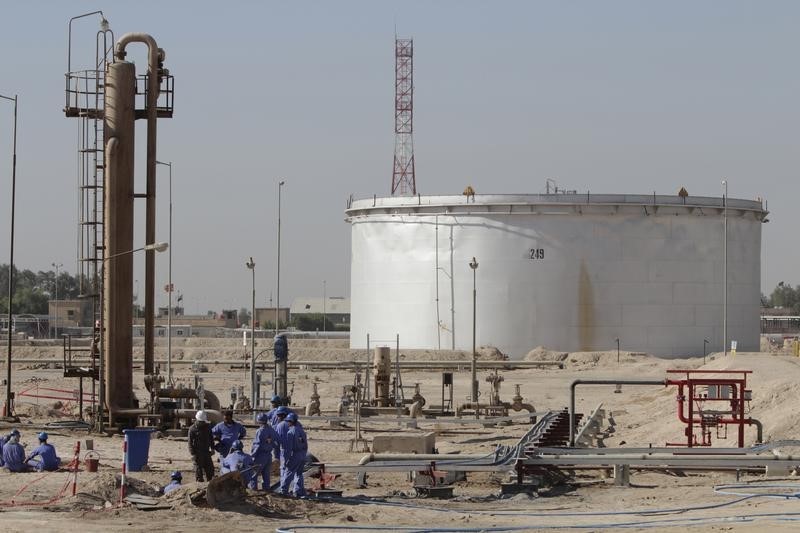
SLB expects a $0.06–$0.09 negative impact to Q1 EPS as the Strait of Hormuz disruption curtails flows; Morgan Stanley notes the Middle East represents ~15% of OFSE revenue. SLB shares have slid ~6% since late February, but Morgan Stanley remains Overweight, calling the pullback a potential buying opportunity. U.S. D&C firms (eg, PTEN, HP) are holding capital discipline despite higher oil prices; analysts warn a prolonged disruption would force more aggressive cost and supply‑chain actions across energy services.
The immediate market reaction understates how closure-driven logistics shocks propagate through the OFSE ecosystem: higher mobilization, insurance and standby costs hit smaller, capital-light contractors first while large, diversified service firms can reprice longer-cycle contracts. If the disruption persists beyond 30–60 days we should expect structural margin transfer to a narrow set of scale providers and specialists (subsea, rig-mobility, heavy-lift), not broad-based reacceleration of US onshore activity.
A secondary effect is regional inventory dynamics — rapid fill of local storage forces more crude onto longer, more expensive trade lanes or into floating storage, which pushes spot freight and time-charter rates materially higher in weeks, creating an incremental earnings lever for shipping/logistics owners and refinery hubs with crude-flexibility. Meanwhile, public US D&C firms’ capital discipline acts as a circuit breaker on domestic activity, limiting near-term supply response and making crude price moves more reflective of geopolitical duration than demand rebalancing.
Tail risk skews toward duration: a rapid diplomatic de-escalation would reverse spreads and punish overcrowded tactical longs, while a protracted blockade or wider regional strike campaign would create a multi-month reallocation of capex and supply chains (favoring contractors with cash liquidity and flexible asset bases). The consensus is focused on an earnings blip for a handful of large OFSE names; it is missing the medium-term winner-take-most dynamic that boosts balance-sheet-rich service firms and logistics owners while compressing margins for smaller drillers and mob/demob-heavy contractors.
AI-powered research, real-time alerts, and portfolio analytics for institutional investors.
Overall Sentiment
mildly negative
Sentiment Score
-0.25
Ticker Sentiment
