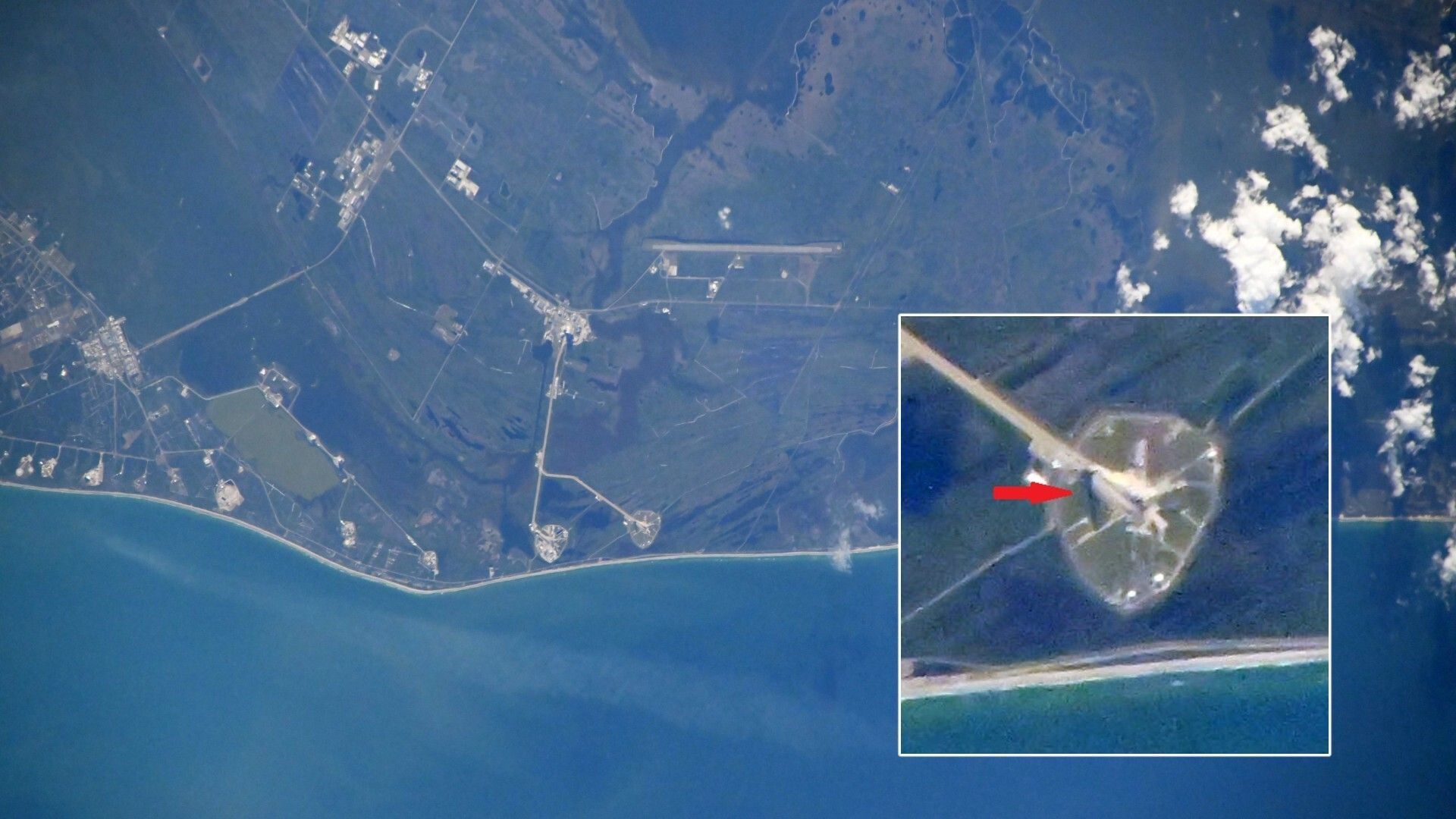
NASA's Space Launch System (SLS) for the crewed Artemis 2 mission arrived at Launch Pad 39B on Jan. 17 and was photographed from the ISS; NASA currently targets a possible launch as soon as Feb. 6 with wet dress rehearsal no later than Feb. 2 and launch windows extending through April. Artemis 2 will carry four astronauts on a roughly 10-day Orion test flight around the Moon to validate systems ahead of Artemis 3 (planned 2027–2028), a schedule-driven operational milestone that matters for aerospace contractors and program timelines but is unlikely to move broad financial markets immediately.
Market structure: NASA’s Artemis 2 operational tempo crystallizes sustained, multi-year revenue for prime contractors (Lockheed Martin LMT, Boeing BA, Northrop Grumman NOC, Aerojet Rocketdyne AJRD) and specialized suppliers of engines, composites and ground services. Expect modest pricing power for human-rated avionics and propulsion suppliers as capacity is constrained—single-digit annual revenue tailwinds (5–12% incremental) for key suppliers over 2025–2028 are plausible if NASA maintains current cadence. Commercial launch firms (SpaceX SPCE) face asymmetric outcomes: success of Starship for Artemis 3 could reallocate future lunar spend away from SLS contractors, while delays preserve incumbents’ backlog.
Risk assessment: Immediate (days–weeks) binary risks center on wet-dress rehearsal (deadline Feb 2) and Feb–Apr launch windows; a scrub or anomaly can produce >10–15% knee-jerk moves in small-cap suppliers. Medium-term (3–12 months) tail risks include mission failure, congressional funding shifts in FY2026 appropriations, or supplier production bottlenecks (engine/booster cadence), each capable of wiping 20–40% off near-term equity multiples for exposed names. Hidden dependency: Artemis program health is levered to SpaceX Starship timelines and political appropriations—second-order effects on contract awards could be abrupt.
Trade implications: Favor a 2–3% tactical overweight to NOC and LMT via 6–12 month call spreads to capture program milestone re-rates, size AJRD as a 1–2% opportunistic LEAP because engine cadence is constrained. Implement a relative-value pair: long NOC (1.5%) / short BA (1.0%) for 3–9 months to express execution risk at Boeing’s production lines. Use options around Feb 2 and the first launch window: buy 60–90 day out-of-the-money protective puts on small-cap suppliers before the wet-dress rehearsal and purchase 9–12 month LEAP calls on primes.
Contrarian angles: The market underestimates the risk that a successful Artemis 2 actually accelerates competition—if Starship proves human-rated by 2027, many lunar logistics contracts could shift to SpaceX, compressing long-term multiples for incumbents by ~10–20%. Conversely, consensus underprices supplier scarcity: specialty composite and engine makers may see equity re-ratings as backlog converts (look for >15% revenue beats). Historical parallel: Apollo-era contractor spikes were followed by abrupt cuts; avoid buy-and-hold for single-program exposure without diversification.
AI-powered research, real-time alerts, and portfolio analytics for institutional investors.
Request DemoOverall Sentiment
neutral
Sentiment Score
0.10
