
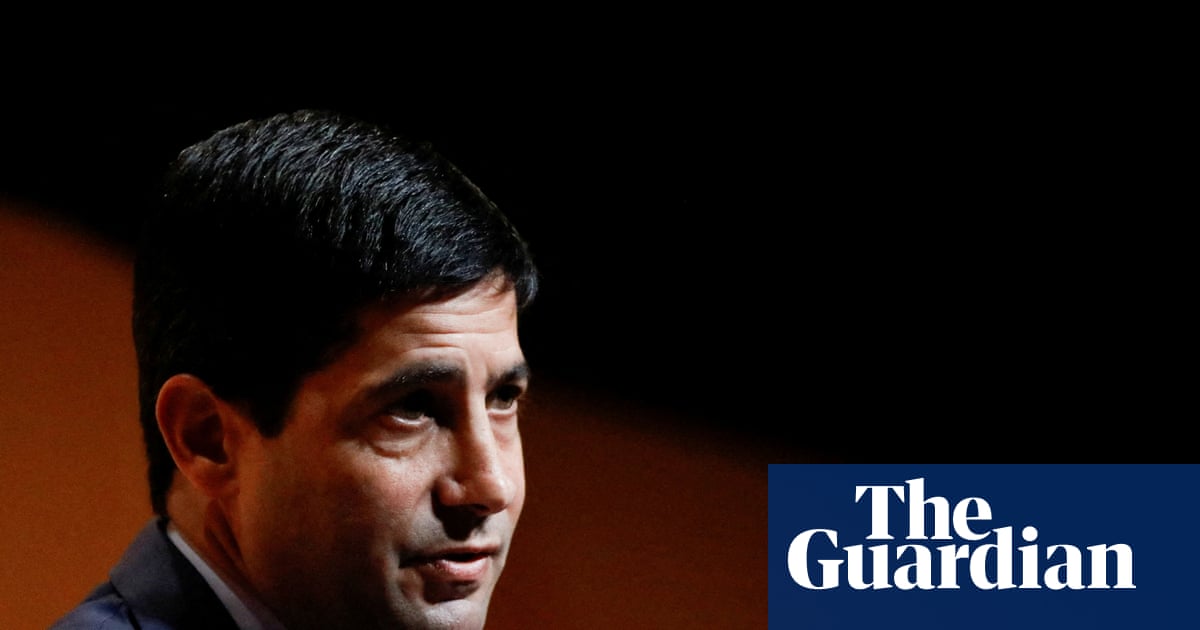
Kevin Warsh disclosed assets worth well over $100 million as part of his Federal Reserve chair confirmation process, including two Juggernaut Fund LP investments valued at more than $50 million each and $10.2 million in consulting fees from Stanley Druckenmiller's office. He also pledged to divest certain holdings, including about two dozen THSDFS LLC interests and the Juggernaut Fund positions, to satisfy ethics rules. The filing highlights his exposure to private markets, AI, and crypto-related holdings, while his confirmation timing remains uncertain amid a DOJ-related fight over Jerome Powell.
The market impact is less about the nomination itself than about the implied regime change path: a Warsh Fed would likely be interpreted as a higher-volatility, more politically constrained policy setup. That tends to steepen the front end only if the market believes the Fed becomes faster to ease into weakness, but it can also widen term premia if investors price weaker institutional independence. The first-order winners are rate-sensitive assets on any dovish repricing; the second-order loser is the credibility premium embedded in the dollar and duration.
The most immediate tradable sensitivity is bank and broker balance sheets rather than the Fed-relevant macro tape. A steeper curve and lower policy-rate expectations help net interest margins, but only if the move is driven by easing rather than a growth scare; if confirmation headlines become politicized, financials can underperform via higher market volatility and lower capital-markets activity. For JPM specifically, the direct impact is close to zero, but the sector beta matters: the better expression is the long duration/short financials spread, not a single-name bet.
The timing is important: confirmation timing is a days-to-weeks catalyst, while any actual policy regime shift is months to years. A failed or delayed confirmation would be a volatility event for rates but likely a muted equity event unless it signals a deeper political fight around Fed independence. The larger tail risk is that the market overprices immediate policy easing and then gets trapped if incoming inflation data remains sticky.
The contrarian view is that this is not a clean dovish trade. A more politicized Fed can just as easily mean steeper risk premia and a stronger dollar if investors demand compensation for policy uncertainty. That argues for expressing the view through relative-value structures with defined downside rather than outright duration longs.
AI-powered research, real-time alerts, and portfolio analytics for institutional investors.
Request TrialOverall Sentiment
neutral
Sentiment Score
0.05
Ticker Sentiment
