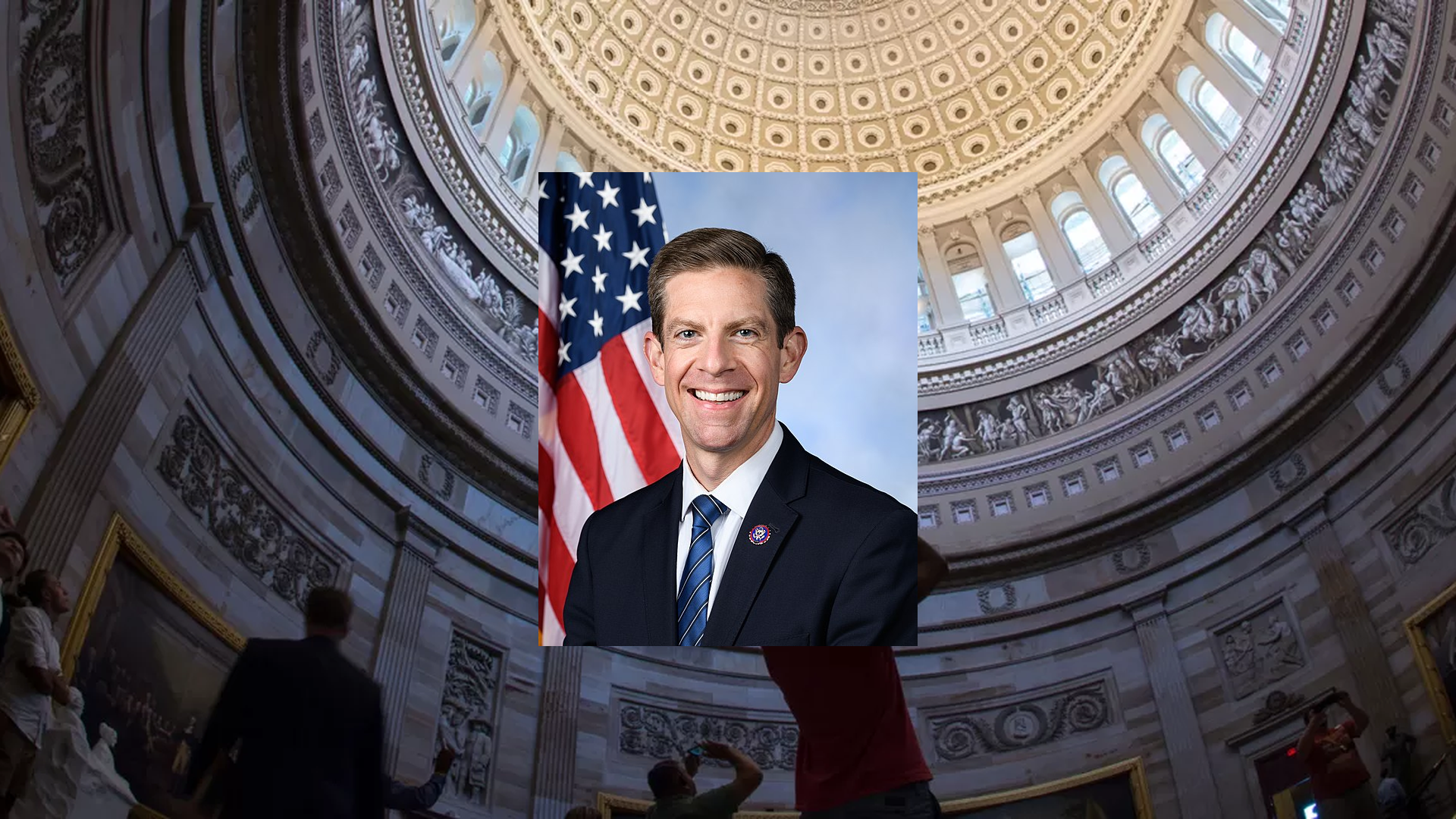
Rep. Mike Levin’s amendment to ban oil and gas drilling off the California and Florida coasts was rejected by House Appropriations Committee Republicans. The move highlights ongoing regulatory and political risk around offshore drilling, with implications for coastal economies, environmental protection, and military training areas. The article is largely a policy update and is unlikely to have immediate broad market impact.
The near-term market read is less about barrels that are flowing today and more about the probability distribution of future Gulf and Pacific supply. Even though this amendment failed, the vote itself confirms that offshore permitting remains a live political asset, which keeps a regulatory overhang on long-duration capital in U.S. offshore projects and sustains a valuation discount versus onshore shale. The second-order benefit accrues to incumbents with existing acreage and infrastructure: capital is more likely to be redirected toward brownfield optimization, midstream bottlenecks, and service intensity rather than new frontier projects.
For energy equities, the clearest implication is not a broad bullish impulse but a relative-value one. If investors reprice policy risk as persistent rather than binary, integrateds and service names with lower execution risk should outperform pure-play offshore developers and equipment names tied to new lease activity. Coastal refiners could also see a modest benefit from a lower probability of future local supply growth, but that is likely a multi-quarter story unless the policy debate turns into concrete lease cancellations.
The defense angle is the underappreciated second-order effect: the more the offshore debate is framed around training areas and readiness, the harder it becomes politically to treat coastal drilling as a purely energy issue. That raises the odds of a durable bipartisan objection in specific regions, which is a headwind for long-cycle offshore investment even if headline policy swings with administrations. ESG-oriented capital will likely use this as another data point to maintain underweight positions in names with high regulatory beta, while the broader market may underreact because no ticker-specific catalyst was created today.
Contrarian view: the rejection of the ban is not automatically bullish for drillers because it preserves ambiguity, which is worse than a clear loss for project economics. In that sense, the market may be overestimating the value of a failed amendment and underestimating how much a continuing policy fight suppresses terminal-value assumptions for offshore development over the next 12-24 months.
AI-powered research, real-time alerts, and portfolio analytics for institutional investors.
Request DemoOverall Sentiment
mildly negative
Sentiment Score
-0.15
