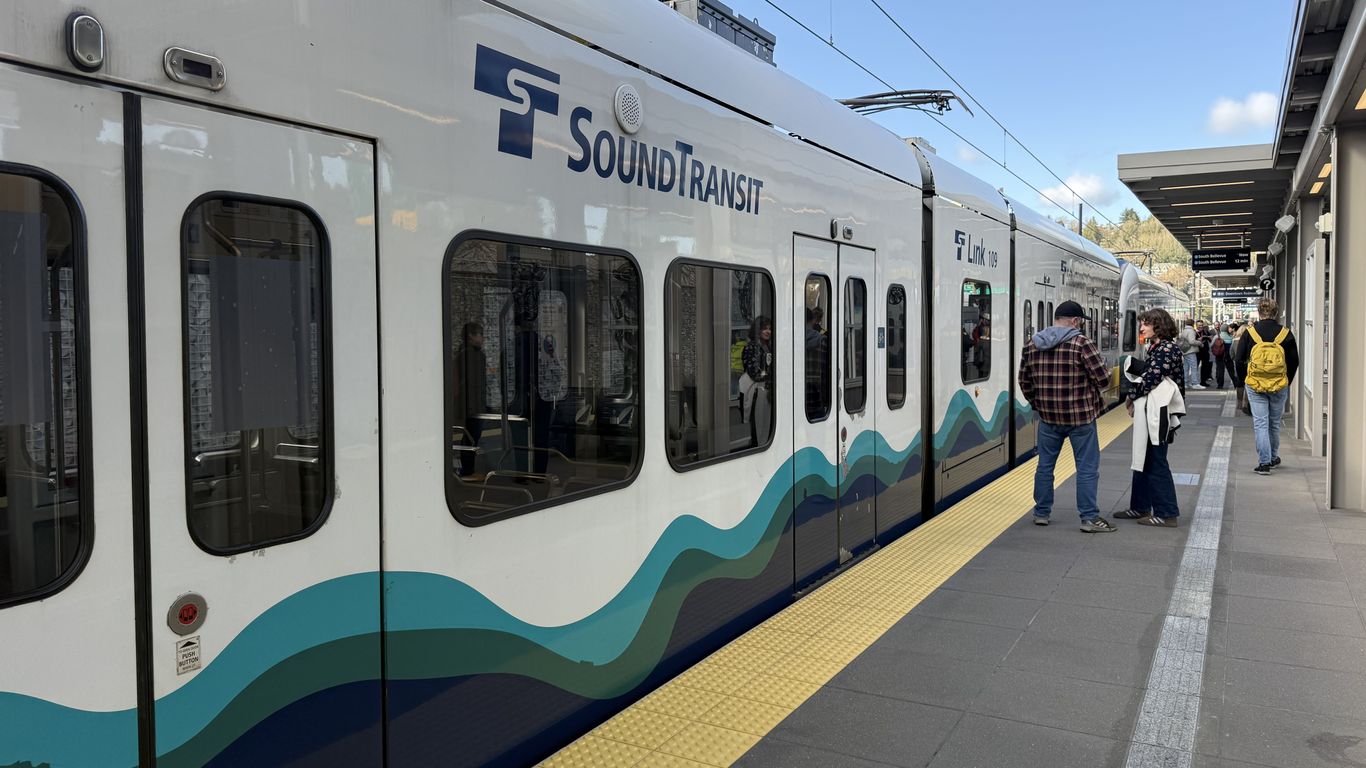
Sound Transit delayed the Ballard light rail extension as part of efforts to close a $35 billion budget shortfall, funding the line only to Seattle Center for now instead of Market Street. The board also prioritized a second downtown tunnel, while another proposal to shorten the Ballard line and defer the tunnel was rejected 14-4. The move leaves several other projects unfunded, including additional Sounder commuter service and parking projects, though the Graham Street station was preserved.
The market read-through is less about transit optics and more about municipal funding discipline: once a project is deferred for affordability, the implied hurdle rate on all adjacent infrastructure rises. That tends to favor firms with a stronger mix of public-private or federal exposure and penalize contractors whose order books depend on large metro tunneling and guideway awards in a single region; the second tunnel effectively becomes the new anchor project, while deferred segments create a multi-year air pocket in downstream civil work.
The bigger second-order effect is on project timing risk, not just project scope. Delaying terminal segments usually preserves headline commitments but stretches the cash burn curve, which can force design work to continue without near-term construction conversion; that is bad for subcontractor utilization and good for larger primes that can absorb low-margin preconstruction work until funding clarity improves. In practice, the next 6-18 months matter more than the 10-year political narrative: if financing isn’t visible by the next budget cycle, deferred packages can slip again, compounding schedule risk and keeping regional transit-related procurement muted.
Contrarian view: the move may be more constructive than the market will initially assume because prioritizing a capacity bottleneck can unlock higher system throughput and make future extensions easier to justify. That means the biggest beneficiaries may not be the corridor directly named in the delay, but rather firms tied to station systems, tunneling equipment, signaling, and long-duration maintenance contracts that monetize network expansion rather than one-off segments. The downside tail is a broader municipal funding squeeze that could bleed into other capital plans, so investors should watch for spillover into adjacent public works rather than treating this as a single-project event.
AI-powered research, real-time alerts, and portfolio analytics for institutional investors.
Request DemoOverall Sentiment
mildly negative
Sentiment Score
-0.15
