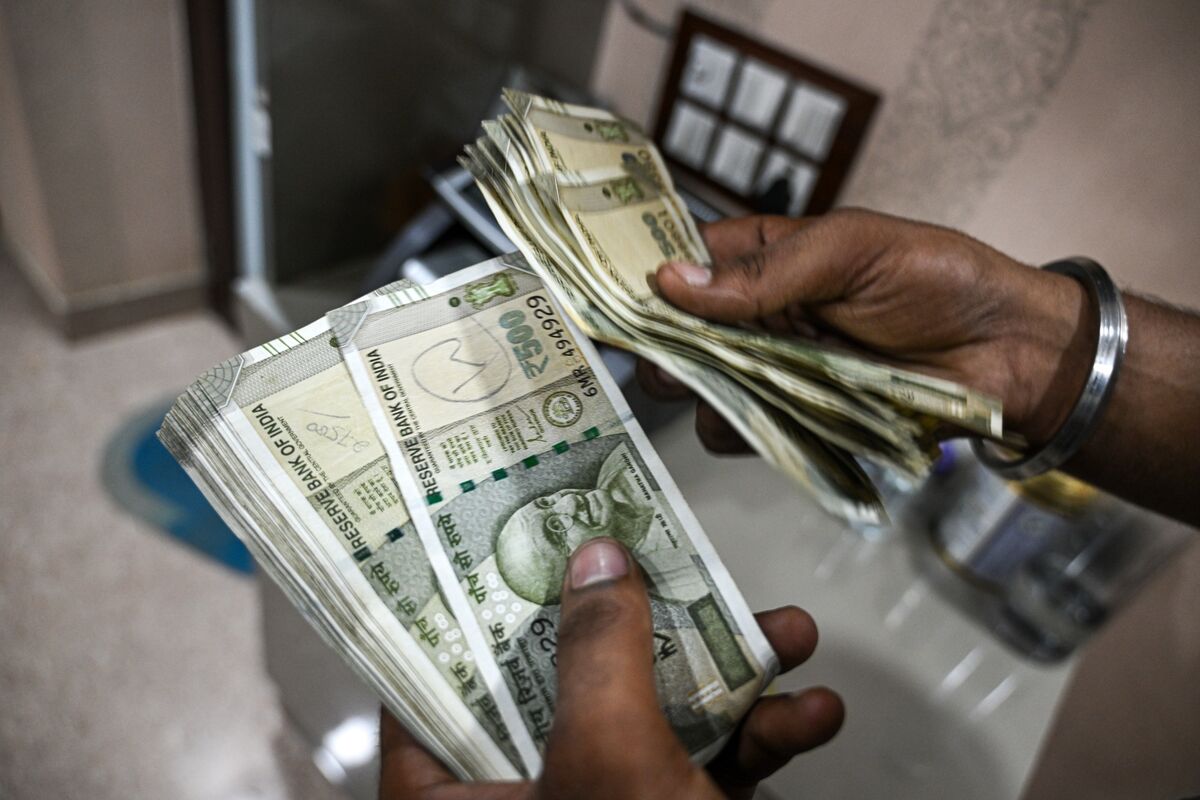
The Iran war is driving extreme bearish scenarios for Asian currencies, with analysts now modeling the Indian rupee at 100 per dollar, the Indonesian rupiah at 18,000, and the Philippine peso at 65. Higher energy prices are expected to stoke inflation and strain import-dependent economies, while bond yields in the region face upward pressure. The article points to a broad risk-off shock across emerging Asian FX and rates markets if the conflict drags on.
The key second-order effect is not just FX weakness, but a deterioration in policy credibility across import-dependent Asia: once markets start pricing a weaker currency path, central banks are forced to choose between tighter rates and growth support. That creates a self-reinforcing loop where energy-sensitive inflation pressure lifts yields, which then worsens fiscal and external financing conditions for the weakest balance-of-payments countries. The near-term losers are domestic banks, utilities, and leveraged corporates with dollar liabilities; the hidden beneficiary is the U.S. dollar and any hard-asset proxy that absorbs regional reserve demand.
The market is still underestimating the speed of transmission. A sustained energy shock hits trade balances within weeks, but the bond-market repricing tends to arrive in a lagged, nonlinear way over 1-3 months as local investors demand higher term premiums and foreign ownership gets cut. The more vulnerable setup is where depreciation, food inflation, and fuel subsidies collide: that can force governments into either subsidy expansion or austerity, each of which is negative for sovereign spreads and bank asset quality.
The cleanest contrarian angle is that the move may be asymmetric across the region: countries with larger reserves, smaller current-account deficits, or more credible inflation targeting should outperform sharply once the panic fades. If the conflict de-escalates or shipping/energy markets normalize, the first bounce is likely in the most oversold FX crosses and duration-sensitive local bonds rather than equities. The risk is that consensus is too linear on the downside; if oil stays elevated for another quarter, these currencies can overshoot the stated downside levels because hedging demand becomes self-fulfilling and liquidity thins out fast.
AI-powered research, real-time alerts, and portfolio analytics for institutional investors.
Request DemoOverall Sentiment
strongly negative
Sentiment Score
-0.72
