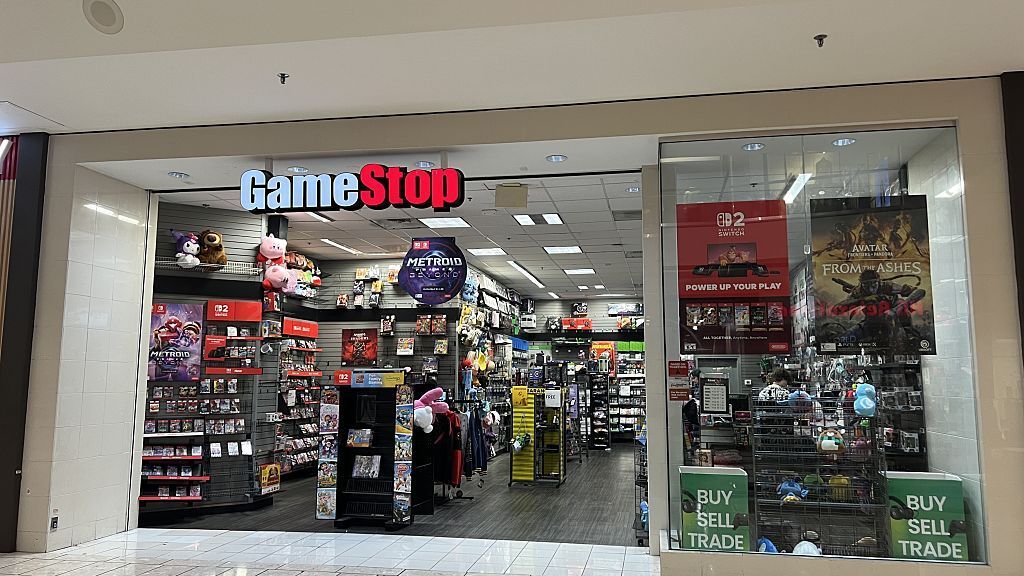
GameStop is offering an extra 10% trade-in credit through March 21 and has reclassified legacy consoles (PlayStation 3, Xbox 360, Wii U and other retro hardware) as "retro," accepting units that are faulty or "aesthetically unfortunate" so long as they power on. The move should modestly increase trade-in volumes and used inventory available for resale via larger stores and its website, providing a small boost to in-store traffic and ancillary sales but is unlikely to have material impact on GameStop's overall financials or the broader market.
A retail specialist leaning into nostalgia and legacy hardware flips a low-velocity liability into a potential acquisition funnel; the key lever is conversion economics — how many traded units can be refurbished or resold at 30–60% gross margin versus being written down. If management can convert 20–40% of incoming units into higher-margin online sales or curated store displays, incremental gross profit can move from noise to a meaningful contribution to same-store sales within one quarter.
The broader market impact will be uneven: independent refurbishers and parts suppliers will see input supply surge, compressing secondary market prices by an estimated 10–30% over 6–12 months and lowering repair margins. Conversely, clearer demand signals from retail outlets could accelerate platform owners’ decisions to monetize legacy IP (remasters, premium downloads) over a 6–24 month horizon — a low-capex revenue stream for IP owners if attach rates are strong.
Primary downside is inventory mispricing and conversion shortfall — excess units that don’t clear quickly force markdowns and press working capital; this is an acute risk in the next 1–3 quarters. Watch retail conversion metrics (units acquired → units sold/refurbished), online listing trends on secondary marketplaces, and any disclosed refurb investments; these are the catalysts that will determine whether the move is accretive or simply inventory churn with margin compression.
AI-powered research, real-time alerts, and portfolio analytics for institutional investors.
Overall Sentiment
mildly positive
Sentiment Score
0.25
Ticker Sentiment
