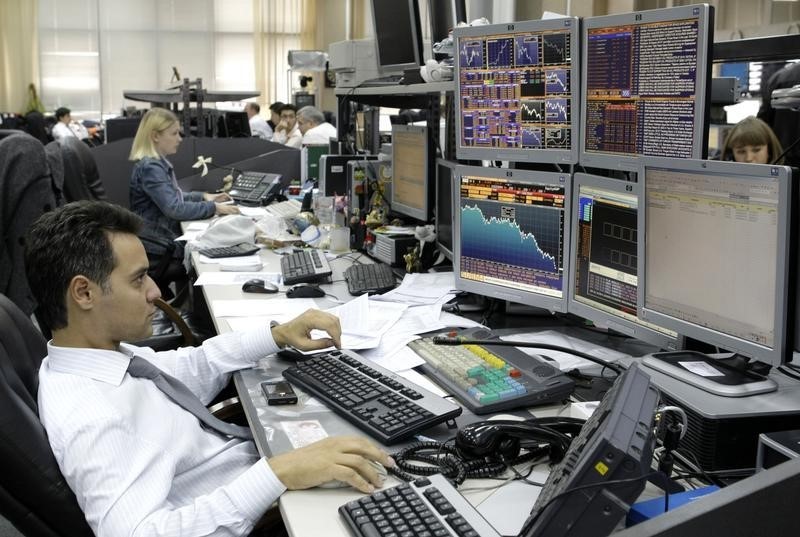
The MOEX Russia Index was unchanged at 0.00% as mixed stock moves left 116 gainers, 99 decliners, and 26 unchanged. Commodities were firmer overall, with July crude up 0.26% to $96.60 and Brent up 0.94% to $103.54, while June gold fell 0.42% to $4,523.20. In FX, USD/RUB rose 0.48% to 71.55 and EUR/RUB gained 0.35% to 83.02, with the RVI volatility index unchanged at 21.83.
The market is signaling a classic geopolitics-to-commodities transmission: even a modest reduction in perceived Middle East risk is enough to cap the upside in precious metals while keeping energy bid. The bigger second-order effect is on cross-asset volatility rather than spot direction; if Iran expectations are being repriced, the most vulnerable positioning is long-duration protection trades that were leaning on a sustained risk-premium in oil and gold.
For Russia-linked assets, the near-term read-through is less about index beta and more about terms-of-trade sensitivity. A firmer crude complex supports fiscal optics and the external balance, but the RUB’s inability to strengthen materially alongside higher Brent suggests the FX channel is still dominated by sanctions, capital controls, and local liquidity rather than pure commodity beta. That means commodity support can lift commodity exporters’ cash generation without necessarily translating into a broad-based re-rating of the domestic market.
The contrarian point is that a negotiated Iran headline can become bearish for oil only if it evolves into tangible barrel supply, which is usually a months-long process, not a day-trade. In the next 2-6 weeks, the more likely outcome is range compression: Brent stays supported on supply-risk hedging, while gold loses some safe-haven demand and volatility sellers re-engage. The fastest reversal risk is any sign that talks are either performative or delayed, which would restore the geopolitical premium quickly.
AI-powered research, real-time alerts, and portfolio analytics for institutional investors.
Overall Sentiment
neutral
Sentiment Score
-0.05
